Immerse in the wild welcomes you to a full-screen, high quality wildlife photography viewing experience. You are invited to click on any photo to view additional information including the photographer’s name, camera settings, photo title, and a brief description.
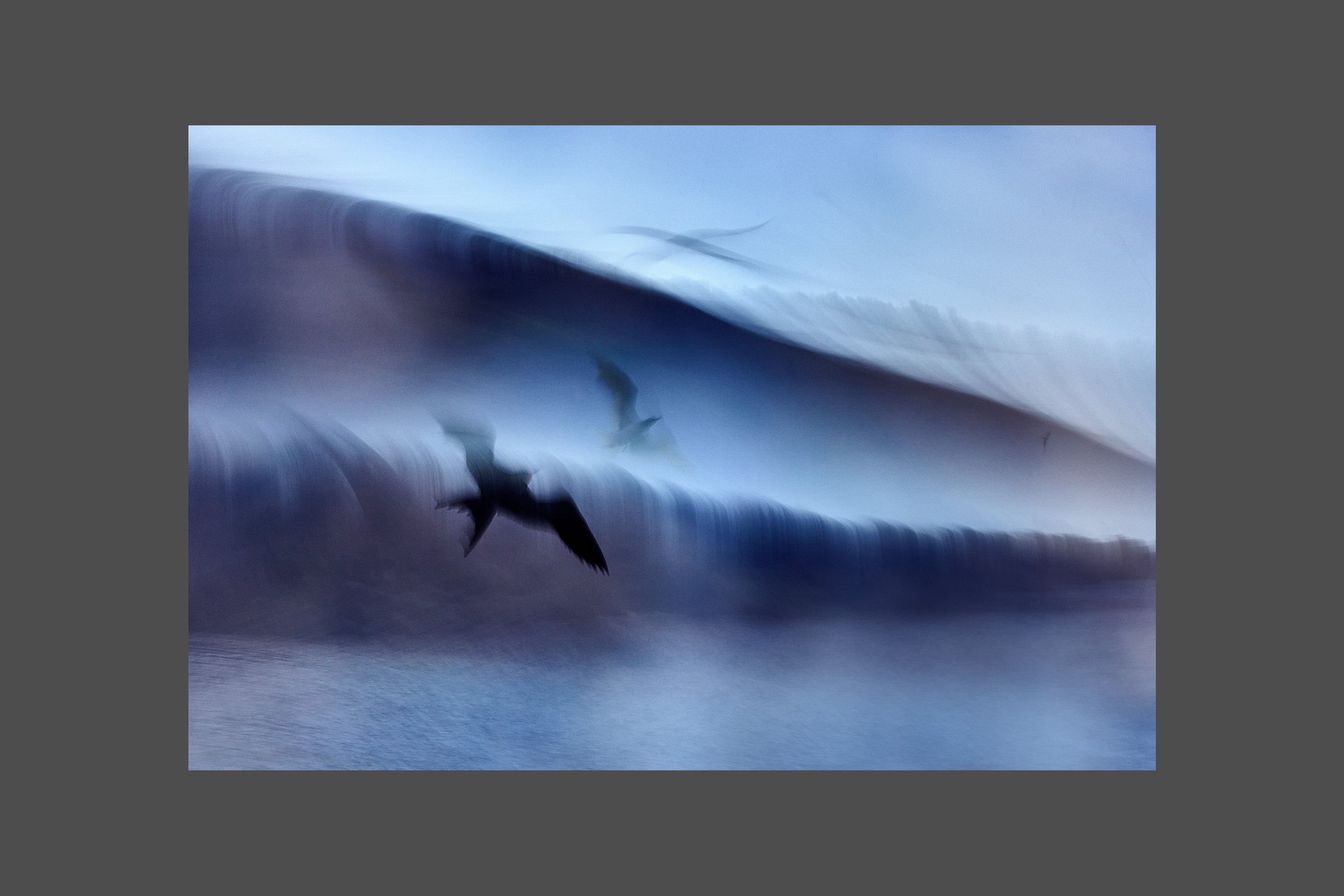
Dark Wings in Blue
Photographer: Jiri Hrebicek
click to view full-screen
1.6 seconds • f/20 • ISO 50 • Canon EOS R5 • 100mm • Canon RF 100-500mm f/4.5-7.1 L IS USM



Seabirds sweep along the Galápagos coastline as the Pacific swell breaks below. I used a slow shutter and intentional camera movement to translate the speed of the flight and the restless motion of the sea, keeping the feeling of the moment rather than freezing every detail.
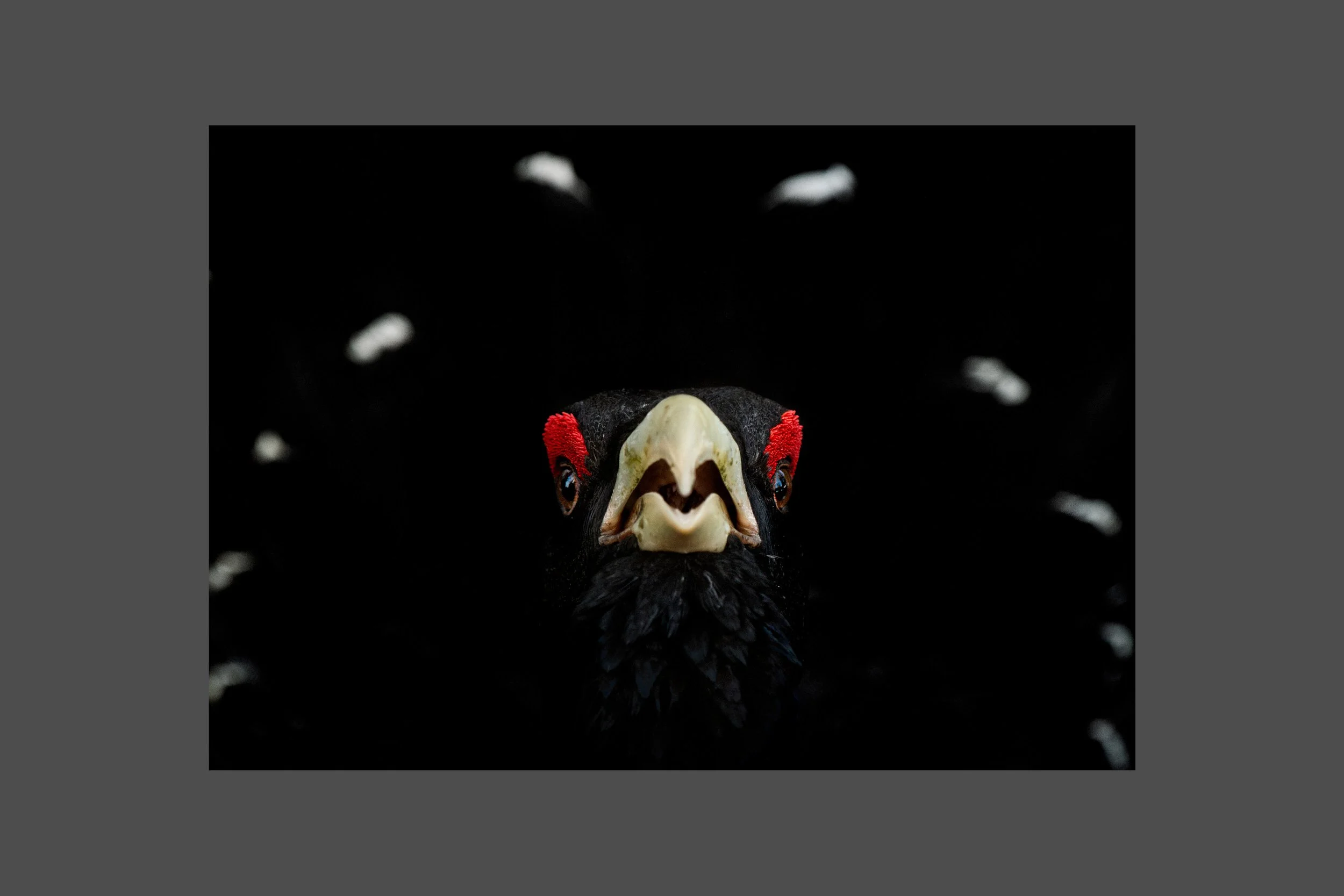
Out of the Dark
Photographer: Jonas Janss Haugli
click to view full-screen
1/1000 • f/7.1 • ISO 4500 • Nikon Z810 • 220mm • Nikon 70-200mm f/2.8 VRII + 2x TC
Western capercaillies are impressive birds. In the spring, they meet on their lek to fight and display. After the lekking season is over, they go back to their secretive life in the forest. But a small percentage of the population have a significantly higher level of hormones, especially testosterone. These birds can display anywhere anytime through the year, and see every living creature as their enemy. Dogs, humans and even cars, they throw themselves at you without fear. Meeting one of these deviant capercaillies, I was able to make some quite different images as he had no fear and displayed on a small hill in front of me. When the Capercaillie folds out his tail during display, a half circle of white patterns emerges. With an otherwise dark background and the black plumage of the capercaillie, I used a heavy underexposure to make an image highlighting the vibrant red eyebrows and the tail feather pattern.
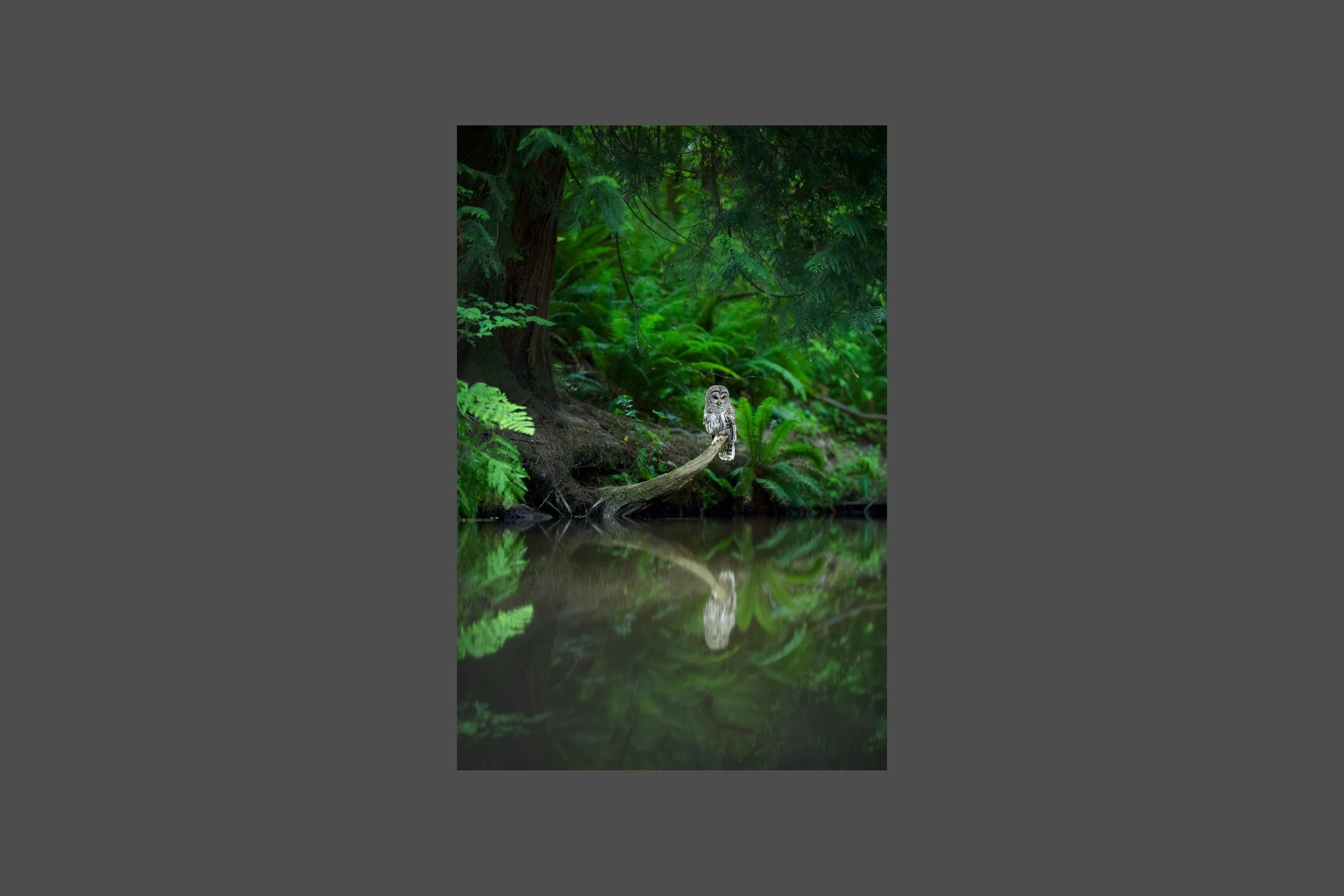
Quiet Reflection
1/30 • f/1.2 • ISO 2000 • Nikon Z9 • 85mm • Nikon 85mm f/1.2


A barred owl perches quietly above a calm forest creek, enveloped by layers of lush green. As it glances downward for a fleeting moment, its reflection shimmers in the still water below—creating the illusion of quiet contemplation. For an instant, the forest seems to pause, as if both owl and creek are reflecting on the life unfolding around them.
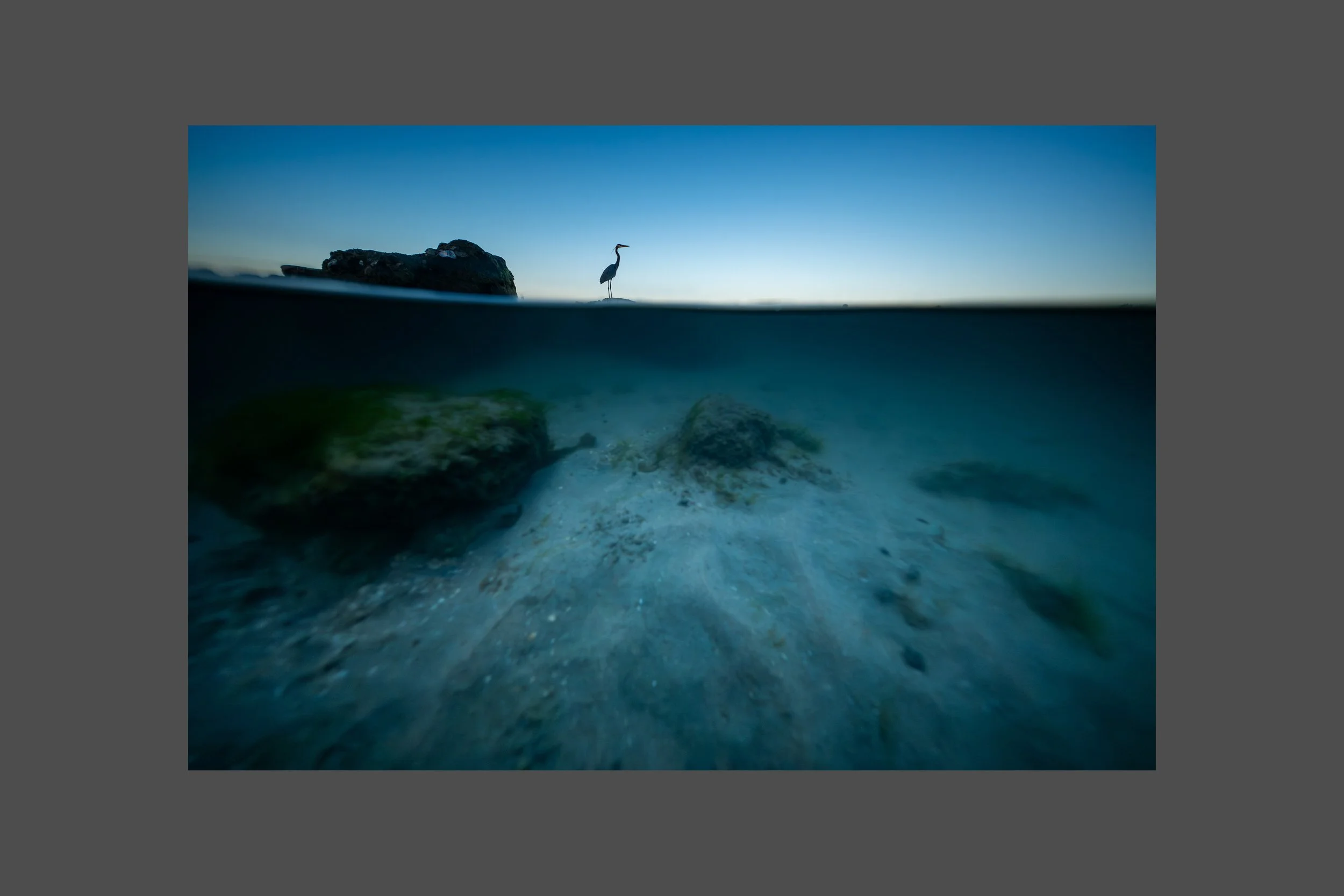
Into the Blue
Photographer: Emilie Reid
click to view full-screen
1/500 • f/5.6 • ISO 640 • Nikon Z6III • 10mm • Laowa FFII 10mm f/2.8
Photographing split level shots for the first time in Florida was a unique and new challenge. I wasn’t feeling very inspired to shoot, but Ray encouraged me to try. Shooting with an underwater housing is honestly quite cumbersome— It makes everything bulkier and heavier, however it is also incredible to be able to capture split level and underwater shots.
This day was a lot of trial-and-error. Playing with holding the housing at different levels above the surface, just at the surface, or just below, to see what would lead to the most pleasing result. I enjoyed this look the most as it smoothed everything out and lead to an even split between the underwater and above. There is not much dynamism in the sky, or beneath the surface, so to me it is much more of a calm, serene, moment in time, captured.
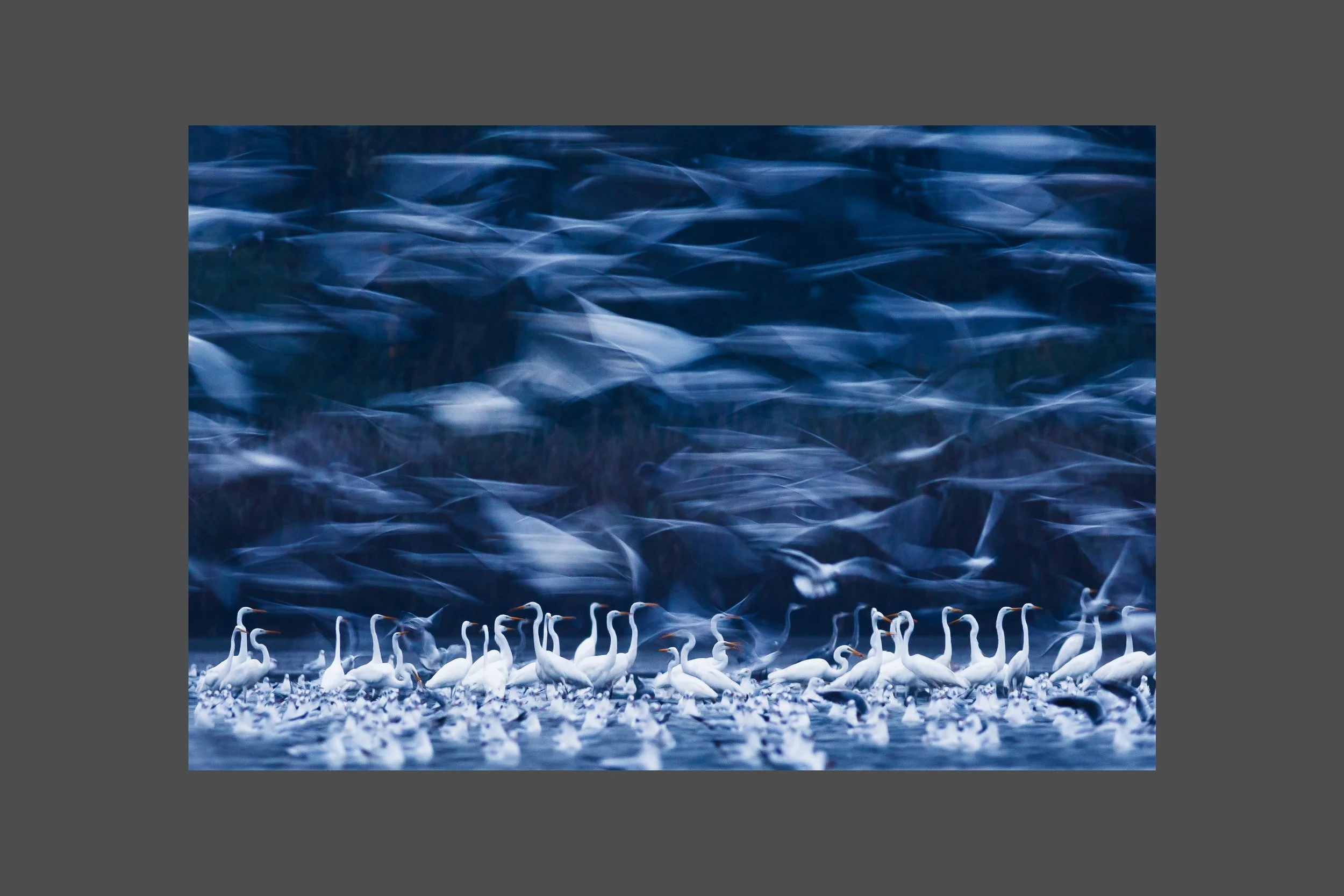
Phantoms of the Morning
Photographer: Mateusz Piesiak
click to view full-screen
1/13 • f/8 • ISO 800 • Canon EOS-1D Mark III • 560mm • Canon 400mm f/5.6 + ex 1.4 III

When fish ponds are being drained, thousands of birds gather for easy prey. While I was photographing these great egrets and gulls, a white-tailed eagle appeared all of a sudden. The gulls panicked while the egrets just froze and did not move. Using a long shutter speed, I managed to capture this fleeting moment.
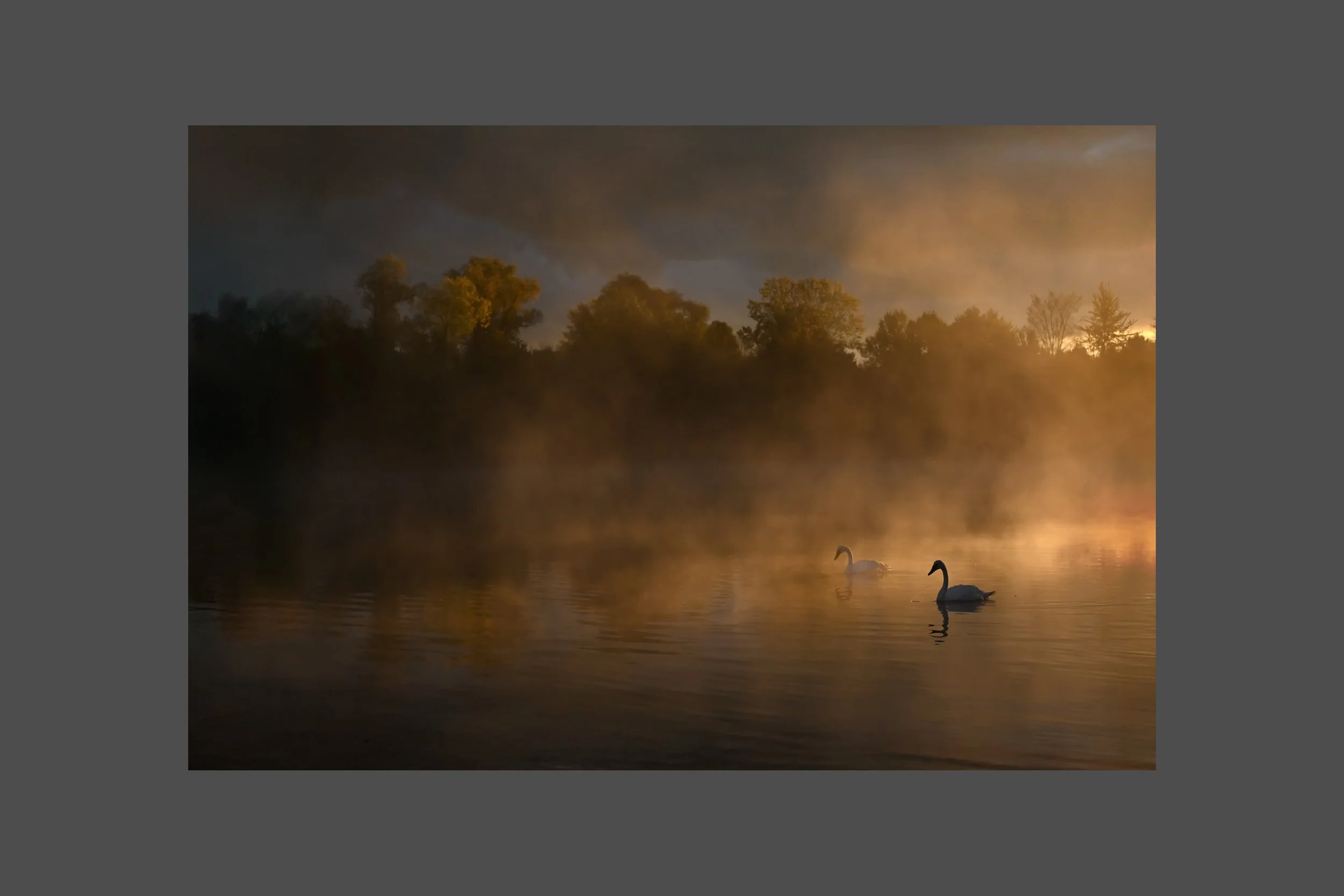
Trumpeter Swans and November Clouds
Photographer: Matthew Studebaker
click to view full-screen
1/3200 • f/7.1 • ISO 2000 • Nikon Z9 • 80mm • Nikon 70-200mm f/2.8 VR
Storm clouds threatened the early morning light but the sun mingled with the mist for just a few moments as these Trumpeter Swans swam past. Trumpeter Swans were extinct in Ohio for about 200 years. I saw the first ones released near Sandusky when I was a kid. Years later my own county in Ohio has its first three successful nesting pairs and it feels special each time I have a moment with them.
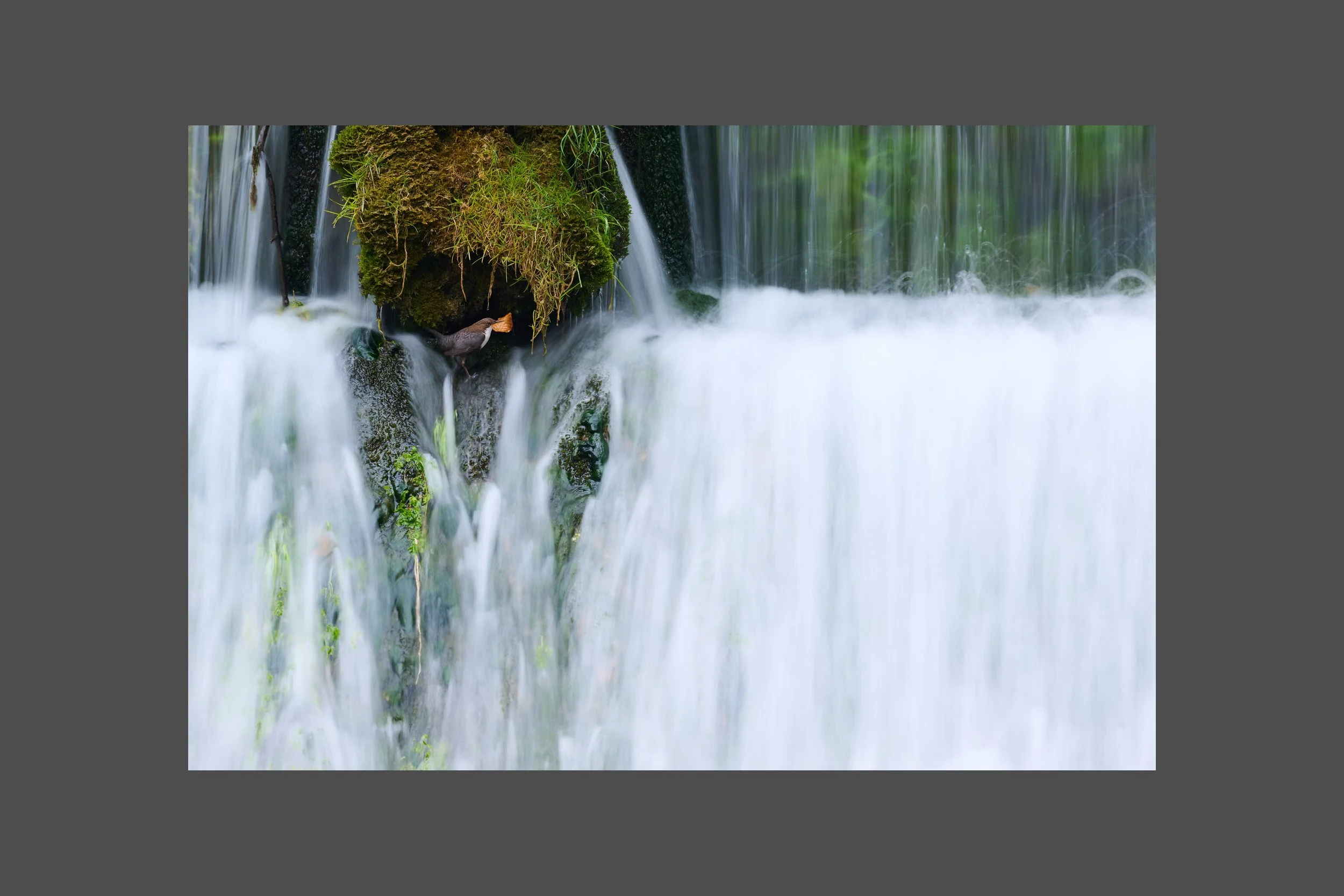
Waterfall Dipper
Photographer: Simon Staiger
click to view full-screen
1/5 • f/14 • ISO 64 • Nikon Z9 • 600mm • Nikon 600mm f/4 FL
I am exploring my local spots for quite a while now, in search for a nice dipper habitat. Until I found this place a few years ago. When a pair of White Throated Dippers were breeding at this small stream, I waited until the weather forecast showed some cloudy/rainy weather, so that I can achieve a longer exposure time. The dipper landed right at the position where I had wished for it. The cherry on the cake was the nesting material, which it was collecting for the built of their nest.
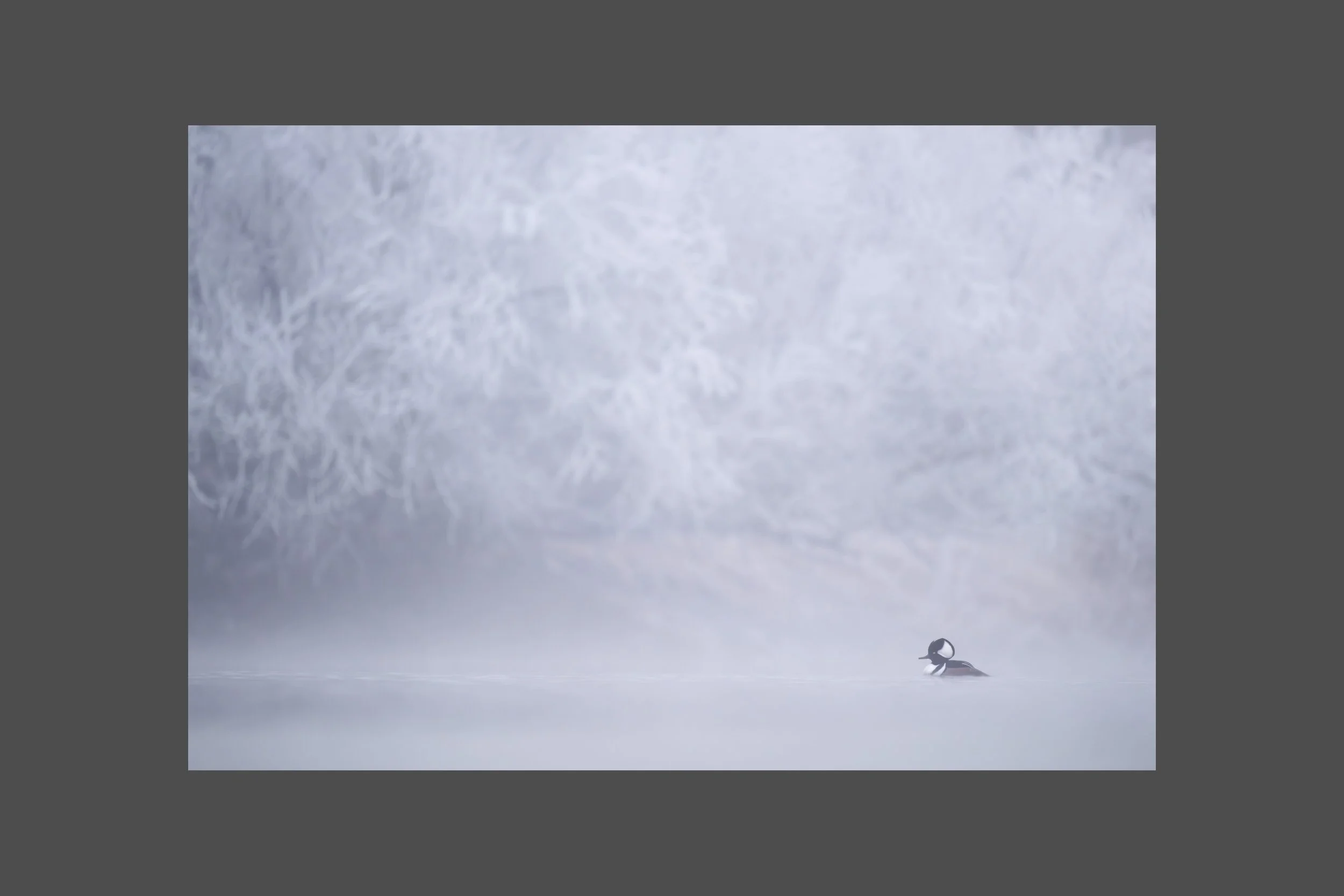
Feathers in Frost
Photographer: Matt Poole
click to view full-screen
1/2000 • f/5.6 • ISO 1000 • Nikon Z9 • 400mm • NIkon Z 100-400mm f/4.5-5.6
In late 2024, an intense ice storm hit my hometown located in southern Oregon. Frost attached itself to every car, road, building, and tree, turning the small, quiet town into a seemingly winter wonderland. That photographic urge soon built up, and I found myself grabbing my camera and heading to a local waterfowl hotspot.
For context, I have never really been that into ducks and waterfowl. Even while living in a migratory hotspot, I still found myself spending my time looking for other wildlife - mostly owls.
I immediately noticed the empty parking lot as I pulled in, likely thanks to the well-below-freezing temps. The lake before me was frozen over, with a portion of open water creeping out from a nearby river. The conditions appeared to congregate the local wildlife into a small area. Waterfowl scattered as I made my way down the bank of large boulders. For the next hour, I found myself hunched over, with my lens just above the water, photographing anything willing to wade by. A Hooded Merganser was the one who gave me the best looks. The merganser moved smoothly, back and forth, through the fog, water, and frosty background. After 10 years of photography, I had just gotten the first duck photo I was pleased with. I couldn't help but chuckle at the reminder that the environment often dictates a photo more than the actual subject.
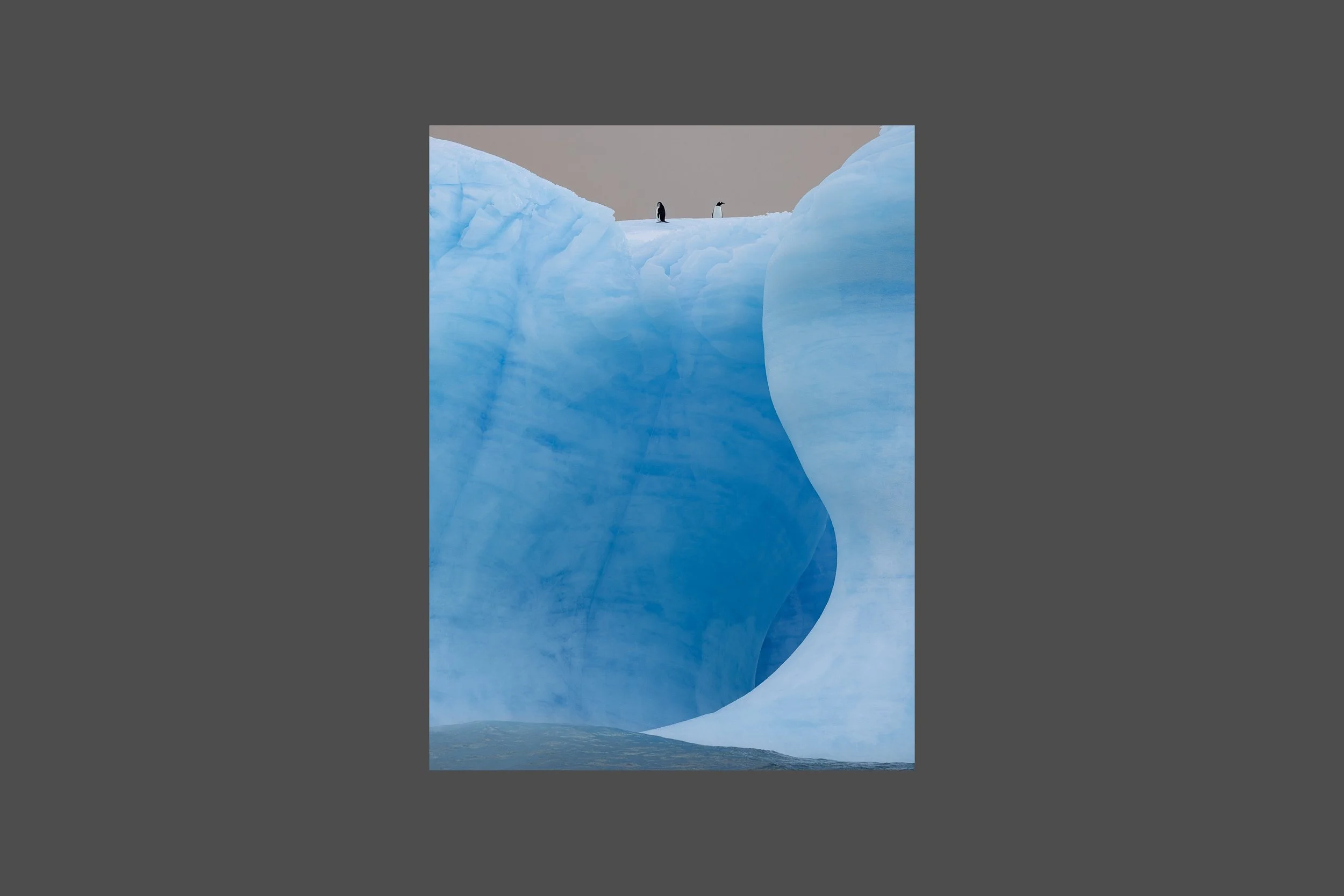
Gentoo Penguins on Iceberg
1/250 • f/5.6 • ISO 320 • Canon R3 • 343mm • Canon RF 100-500mm f/4.5-7.1 L IS USM
From the Weddell Sea, Antarctica
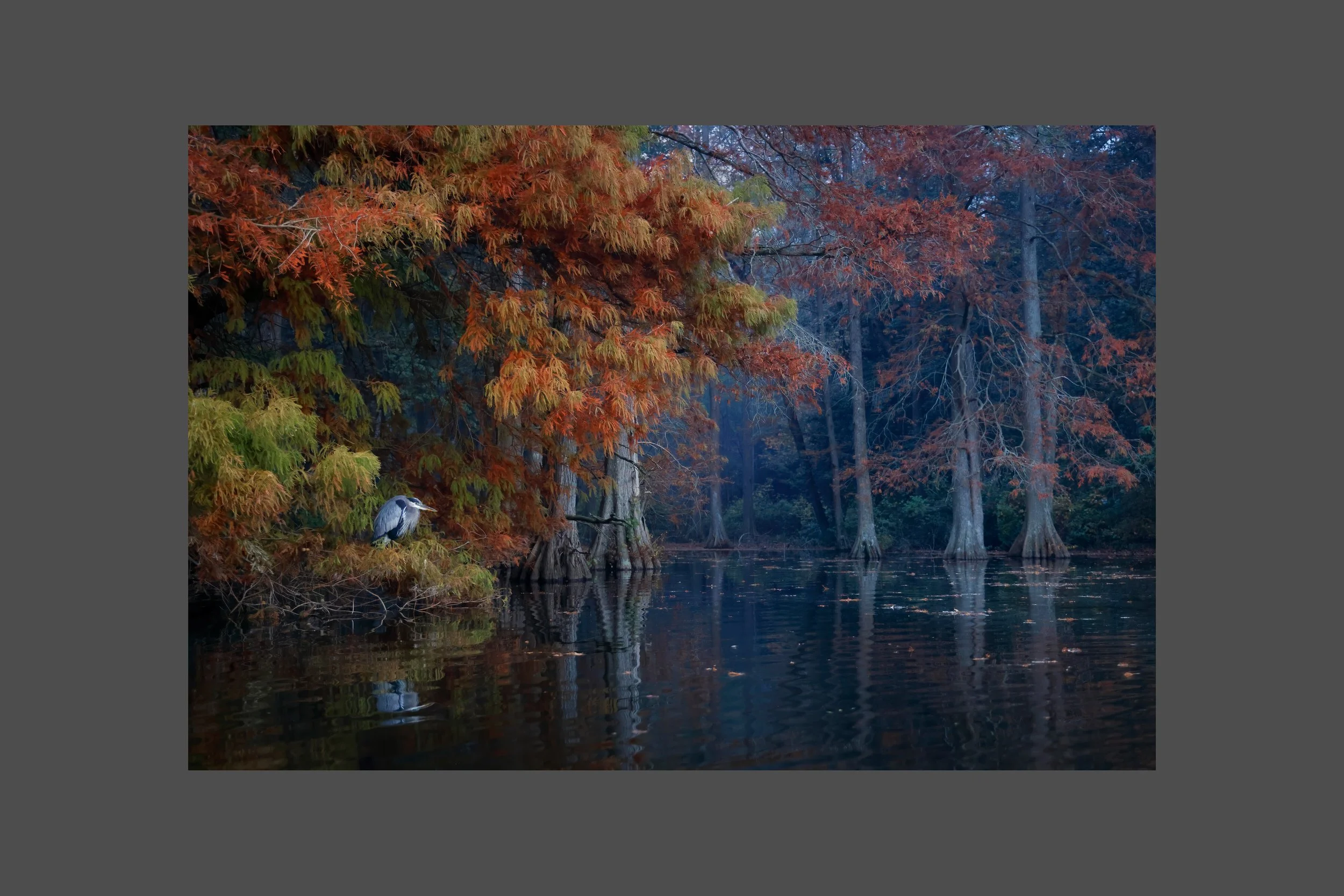
Autumn Cypress
Photographer: Josh Galicki
click to view full-screen
1/250 • f/4 • ISO 4000 • Canon EOS R5 • 50mm • Canon RF 24-105mm f/4 L IS USM
A Great Blue Heron perches near the shoreline of North America’s northernmost Bald Cypress swamp. I took this image at dusk from my kayak during the peak of Fall color. A 50mm focal length was used to allow for an expansive scene to show the bird’s environment, while not diminishing the subject in the frame.
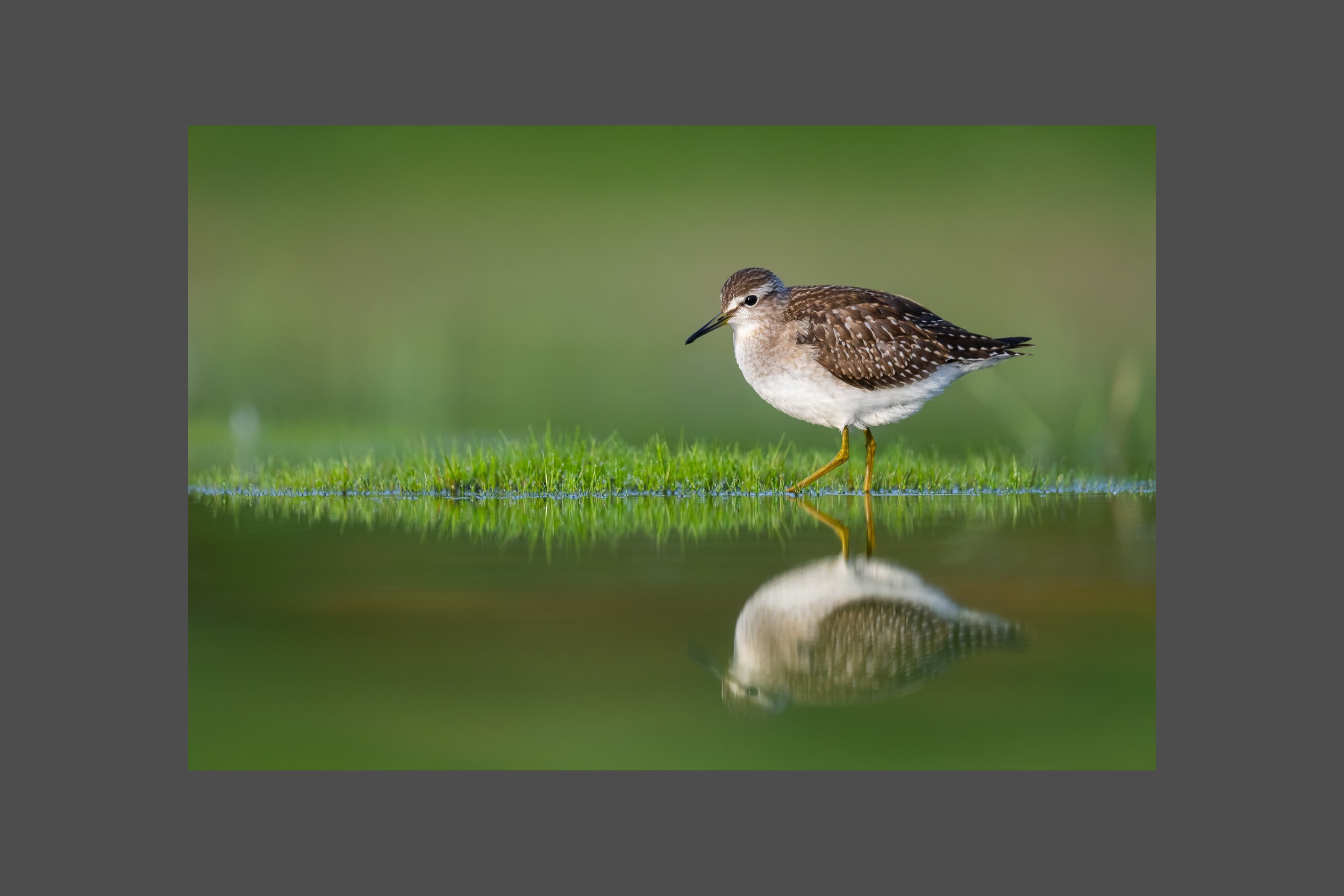
Green Mirror
Photographer: Michal Michalski
click to view full-screen
1/4000 • f/5.6 • ISO 1400 • Nikon Z8 • 500mm • Nikon 500mm f/5.6 PF
In 2024, the autumn migration of waders at my favourite site ended early due to severe flooding in southern Poland. Before the area was submerged, heavy rain and high August temperatures brought fresh vegetation to the exposed reservoir bed. In this almost spring-like atmosphere, I was able to photograph this wood sandpiper among other early migrants.
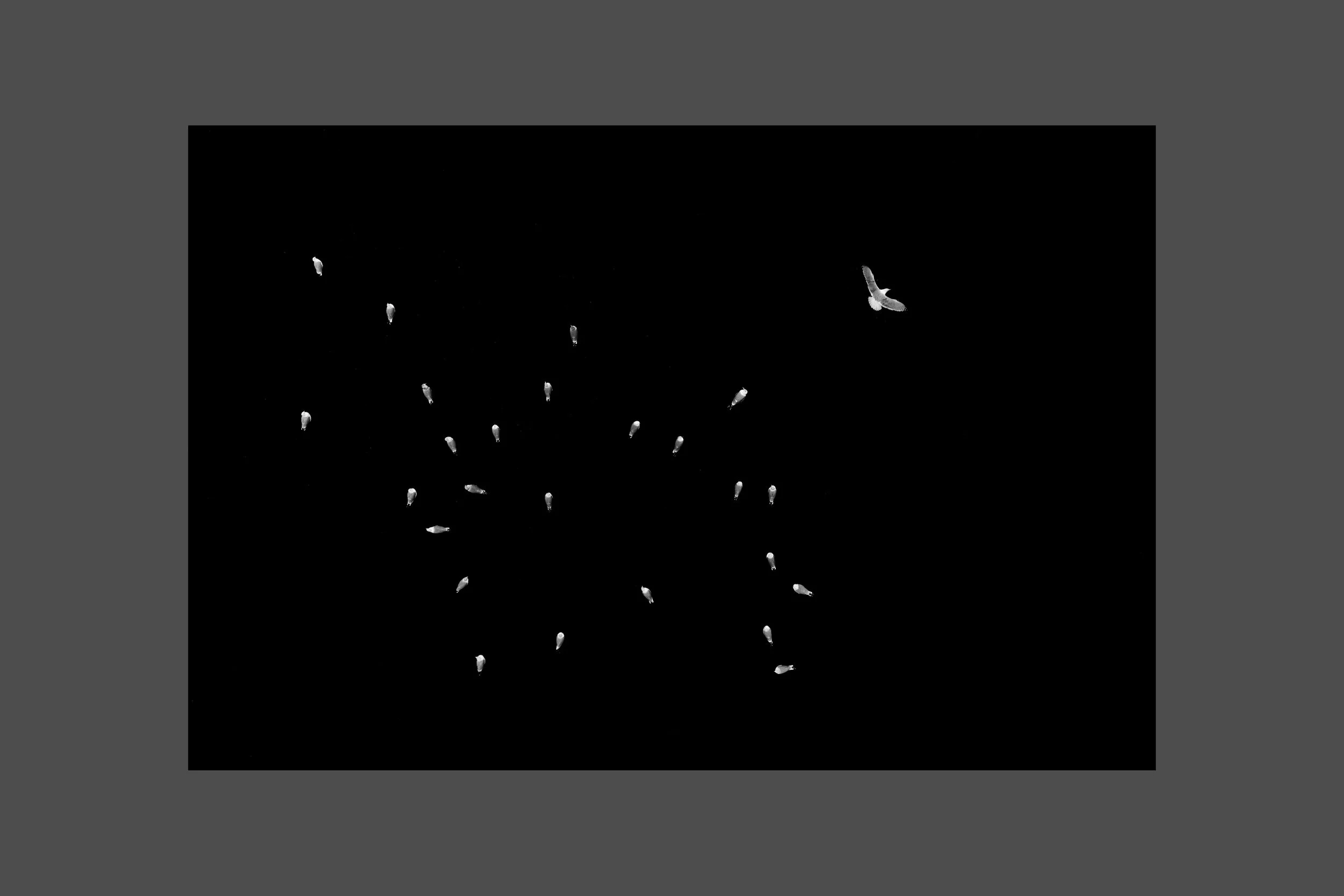
A Birds Eye View
Photographer: Khurram Khan
click to view full-screen
1/250 • f/8 • ISO 250 • -2EV • Anafi Parrot • 20mm • 20mm
A different perspective of a common species and location can be done in an artful kind of way.
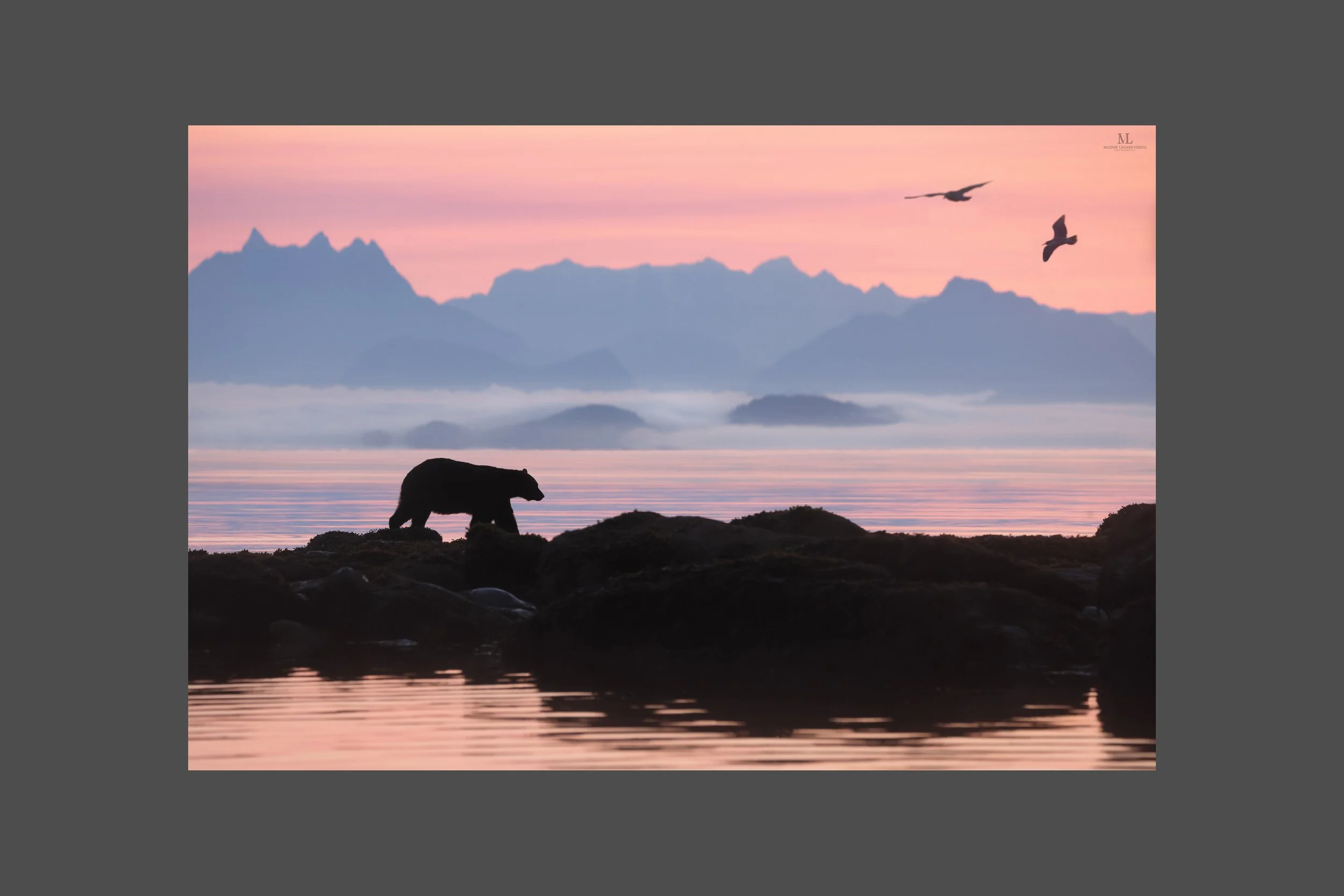
L’ours Côtier
Photographer: Maxime Legare-Vezina
click to view full-screen
1/400 • f/7.1 • ISO 2500 • Canon R5 • 263mm • Canon EF 100-400mm f/4.5-5.6
It was very early in the morning, about half an hour before sunrise. I was walking along the beach toward the river where the bears go to fish for salmon when I spotted its silhouette set against the most beautiful scenery imaginable. Mountains in the background, sea mist, a pink sky and, to top it all off, seabirds.
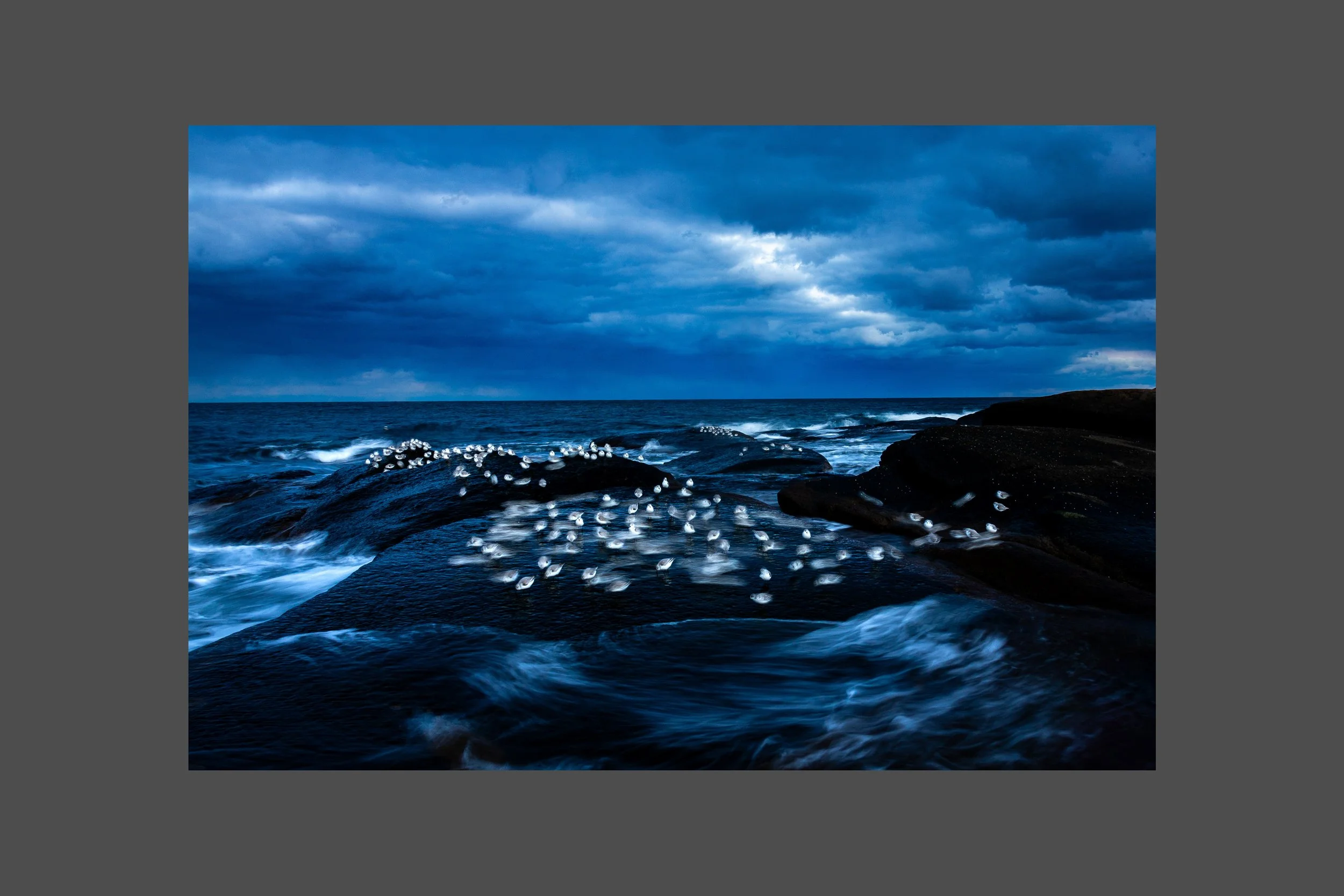
City of Ghosts
Photographer: Maceo Susi
click to view full-screen
1/2 second • f/10 • ISO 100 • Canon EOS R6ii • 18mm • Canon RF-S 18-150mm F3.5-6.3 IS STM Lens
Sanderlings flock the shoreline on a gloomy winter evening. As dusk closes in, this city of ghosts comes to life. As I observed the sheer number of birds in awe, I knew I had to capture the sheer number of birds, and it occurred to me that I could capture the movement of that flock as well by opting for a long exposure wide angle photo. The blue hues of the evening sky felt surreal as I fired away hundreds of photos, eventually capturing this beautiful scene.

Vermillion and Agave
Photographer: Daniel Gomez
click to view full-screen
1/640 • f/5.6 • ISO 2500 • Nikon D850 • 500mm • Nikon 200-500mm f/5.6

Vermilion Flycatchers have always been one of my favorite birds, and one of the species that truly hooked me into wildlife photography. One early spring morning, I found a breeding pair near an open field that regularly used agave stalks as perches to land on, after zipping up and down catching insects.
After observing their behavior, I quietly positioned myself behind the agave, waiting for one of the birds to land on a spike. I captured a few portrait-style images and initially thought that was all the scene had to offer. Then it struck me just how unique this moment truly was.
The small window created between the thick agave leaves is something many photographers might pass up in favor of a clean, unobstructed portrait of these stunning, bright-red birds. That moment changed the way I see a scene. Natural framing has fascinated me ever since, and this experience inspired me to actively seek out these kinds of settings whenever I’m out in the field.
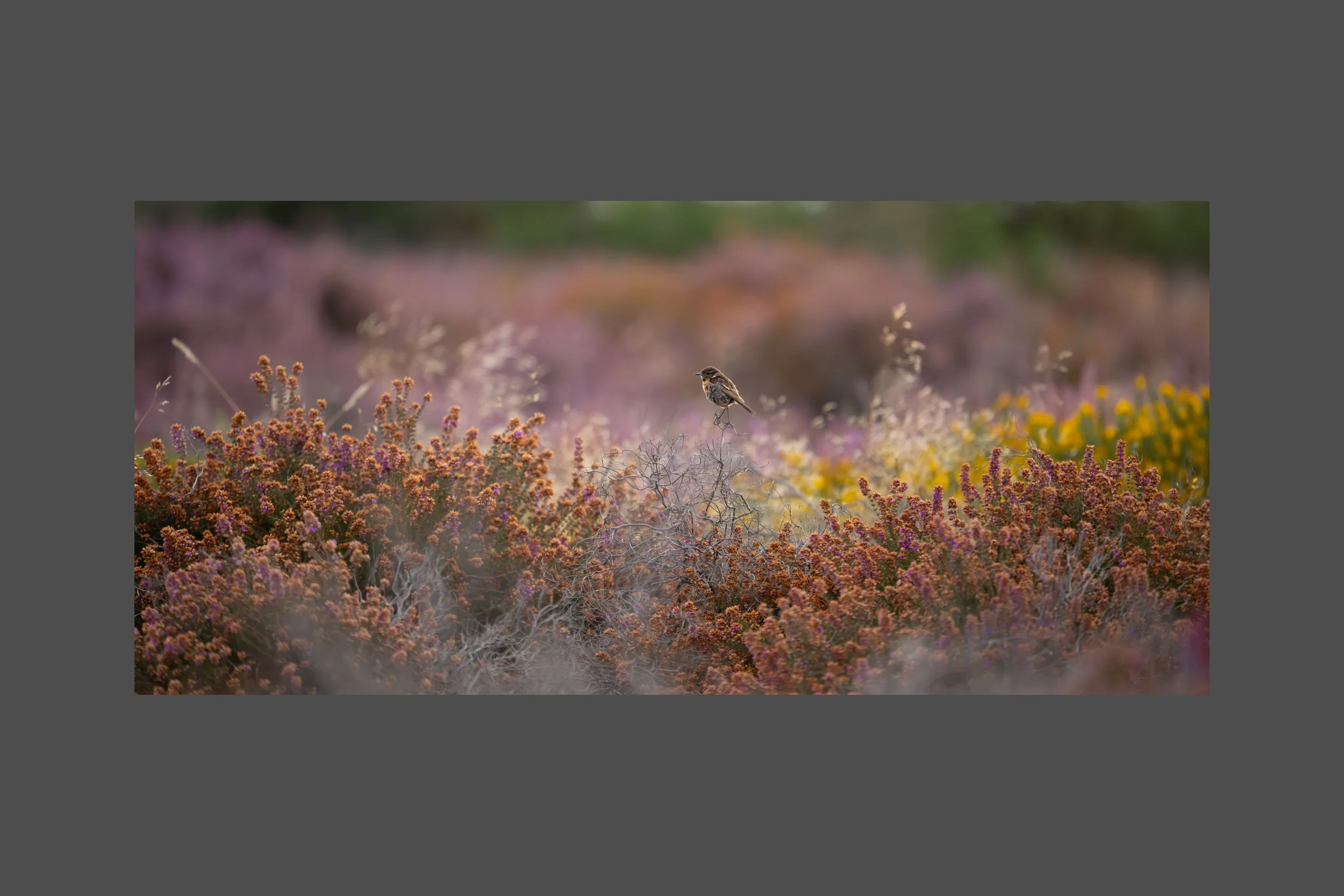
Colour Salad
Photographer: Phil Bowcher
click to view full-screen
1/8000 • f/4 • ISO 2000 • Nikon Z9 • 560mm • Nikon 400mm f/2.8 TC
Up on the heath staring at these layers of colours without a bird in sight for quite some time then this Stonechat appeared and I moved about 10 m to my right to get it where the colours dip in the middle. Sometimes it all comes together!
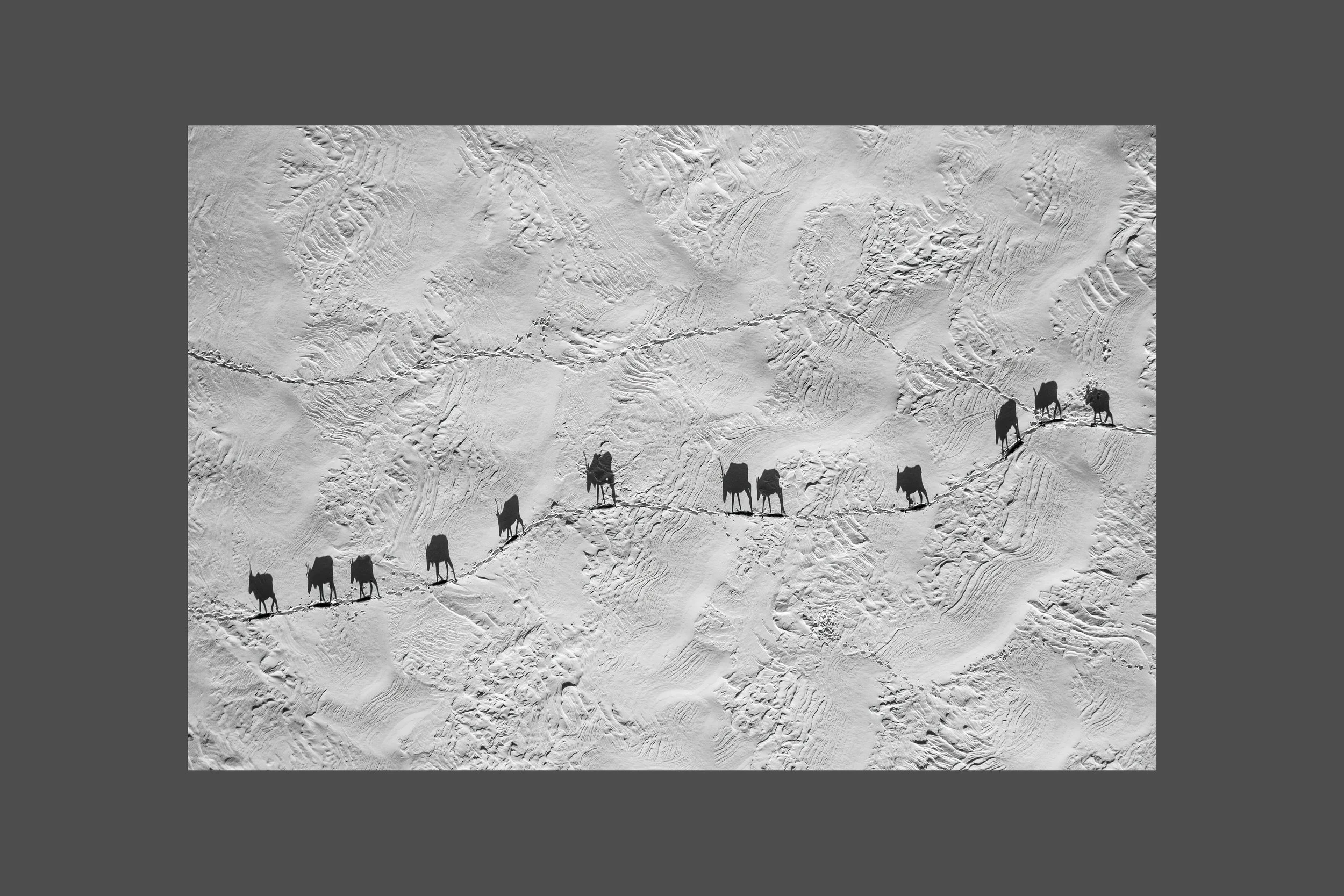
The Great Migration
Photographer: Jean-Christophe Lemay
click to view full-screen
1/3200 • f/2.8 • ISO 100 • DJI Mavic 2 Pro • 10mm Equivalent • Hasselblad Integrated Lens
A group of caribous braving the harsh winter conditions of Northern Quebec while crossing this frozen lake, as seen from the sky.

Pileated Woodpecker In The North Woods Of Minnesota
1/100 • f/2.8 • ISO 2000 • Canon R3 • 300mm • Canon EF 300mm f/2.8 L IS II USM

A few winters back, some friends and I took a birding and photography road trip from New Jersey to Minnesota. At times, we found ourselves near Superior National Forest, not far from the Canadian border. While one of us drove along the snowy roads, the rest looked out the open car windows with thermal optics that detect heat. This was the most vast and deserted area we encountered during the trip. It was cold, still, and dark from the early morning light and heavy clouds. One morning, I was scanning and spotted a small heat signature. It turned out to be this guy. We took some shots right from the car and then kept going. I think this image, with its cool tones, snow on the trees, and the subject small in the frame, gives a bit of a sense of what it was like there that morning.
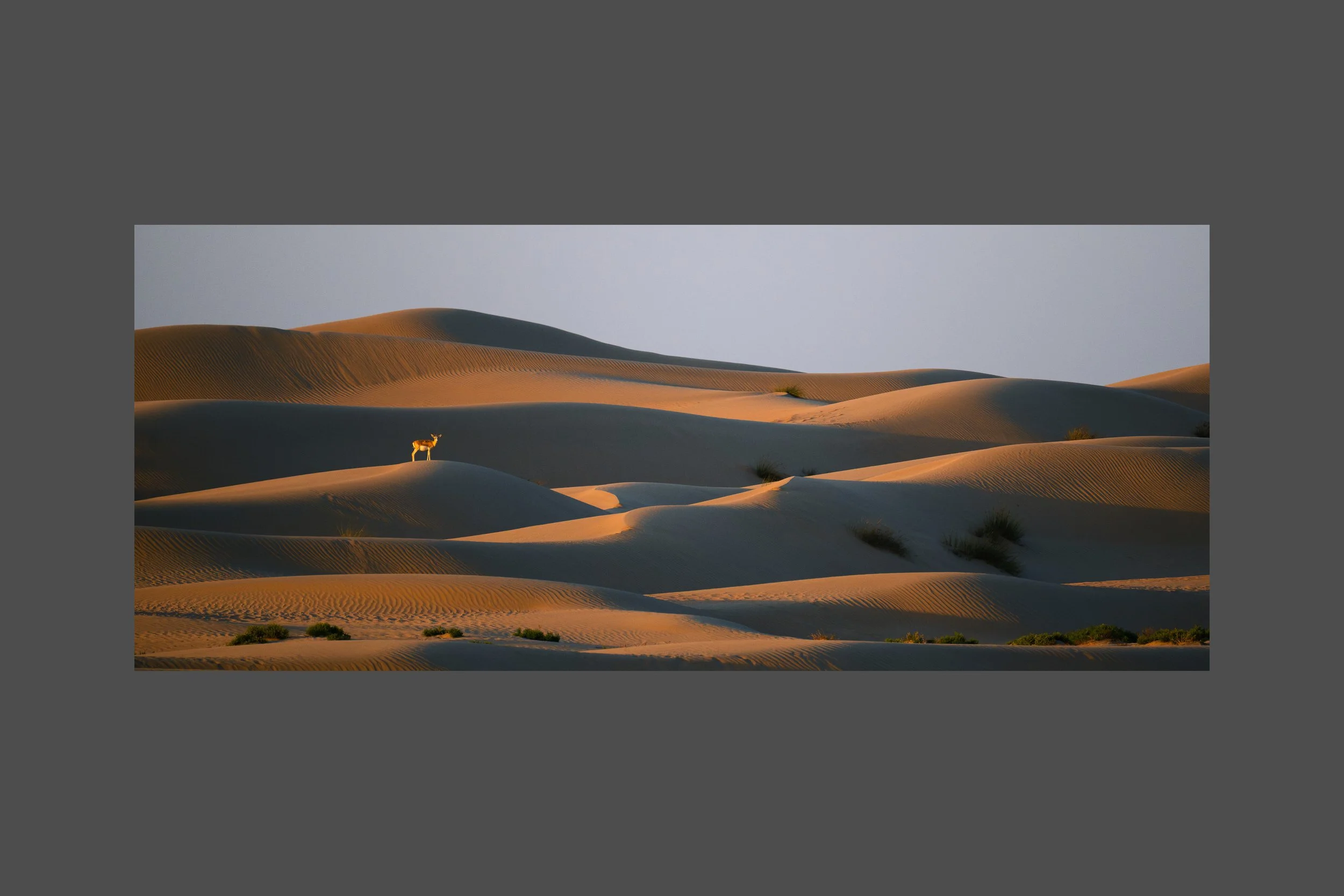
Place of Belonging
Photographer: Rohail Akbar
click to view full-screen
1/1250 • f/6.3 • ISO 400 • Nikon Z8 • 600mm • Nikon Z 180-600mm f/5.6-6.3 VR
I've been wanting to capture this shot for a long time. There have been many opportunities and attempts made where the conditions were almost perfect, but the light didn’t fall quite right, or the gazelle wasn’t in the exact position or pose I had envisioned. Naturally, in all those scenarios I tried repositioning myself, but it never quite resulted in the image I was hoping for. That’s why I’m especially happy and proud to present this photo today, and I really hope you all enjoy the final result as much as I do.
I believe this image truly highlights the beauty of this species (Arabian Sand Gazelle) within its natural environment—something I always strive to showcase in my work. While wildlife itself is undeniably breathtaking, I've learned that its equally integral to shine a light on the rich and diverse biomes that support these animals: the native plants, terrain, and the many other species that together give each other a purpose and the ability to thrive against challenging odds.
Admittedly, when I first started editing this image, I considered removing the bushes scattered throughout the dunes. However, I took a pause and reflected on how essential they are to the story of this scene. Native plants like these provide food, water, and shelter—not just for this Sand Gazelle, but for countless other desert species. It’s a reminder of just how masterfully every element of nature is intertwined with one another. As time passes, that continues to become one of the greatest marvels of the natural world for me.
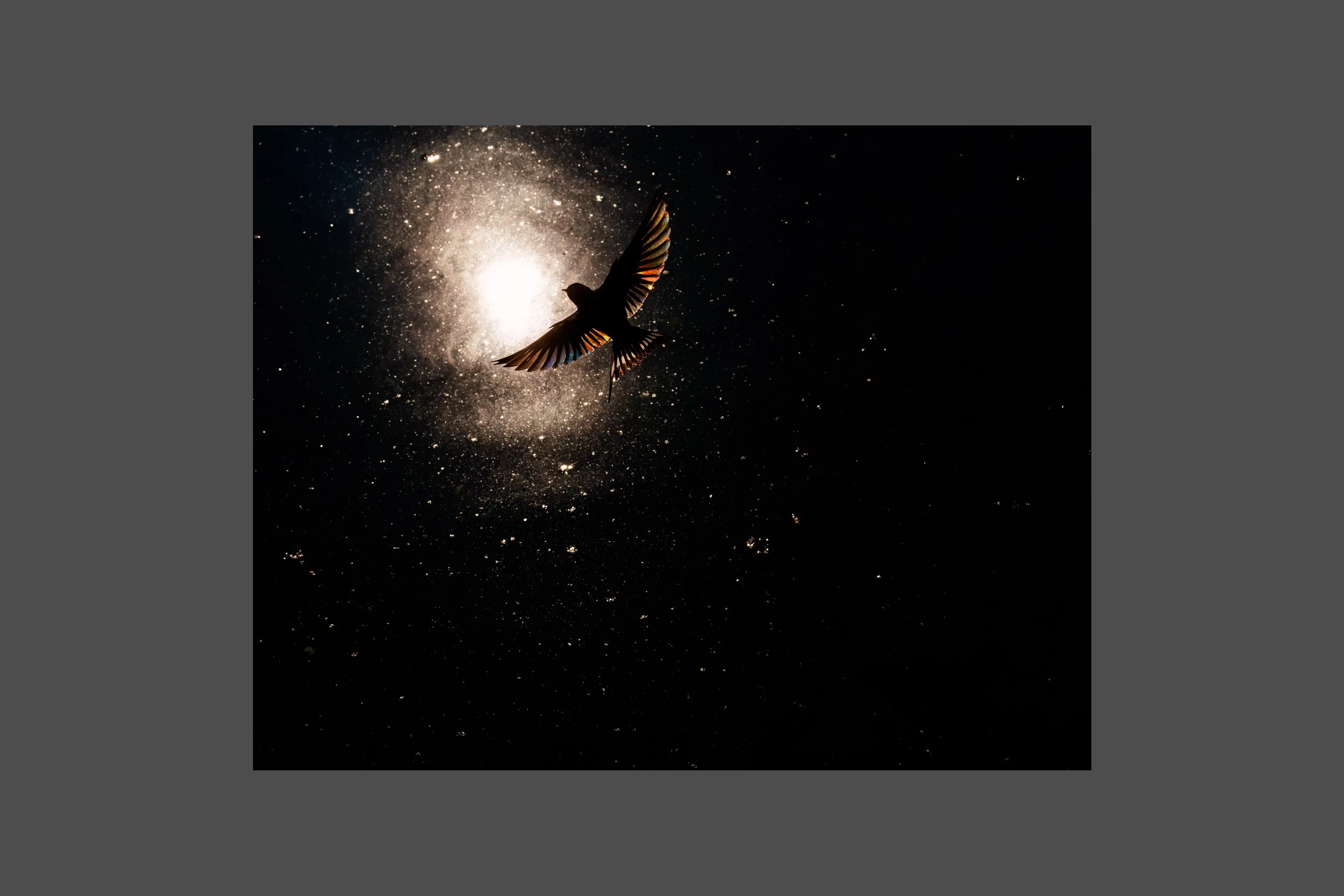
Starbound Swallow
Photographer: Gurnit Atwal
click to view full-screen
1/6400 • f/18 • ISO 1250 • Sony A1ii • 122mm • Sony FE 70-200mm f/2.8 GM OSS II
I often joke that swallows move at "warp speed," seeing them more as space travellers than birds. This inspired a photographic project: capturing a swallow in a scene resembling outer space. I found my location at an urban park marina bridge. By intentionally underexposing the reflective water, the sun’s reflection became a giant star, while specs of plastic and plant life transformed into pinprick stars, creating the perfect cosmic backdrop.
The conceptual simplicity—capturing a swallow flying directly into the sun's reflection with a black background—was severely complicated by two factors: the swallows' extreme speed and a persistent Toronto heatwave. To achieve the perfect shot in-camera, I committed to spending hours daily, during the sun’s peak, battling the heat for over a month. Though I was ready to quit many evenings, I was inevitably back the next day. After weeks of effort, everything finally aligned. The iridescent colours on the Barn Swallow’s wings were the final, stunning detail, perfectly completing the vision by resembling the mythical Bifrost bridge, a perfect metaphor for the seemingly instantaneous nature of a swallow’s flight.