Immerse in the wild welcomes you to a full-screen, high quality wildlife photography viewing experience. You are invited to click on any photo to view additional information including the photographer’s name, camera settings, photo title, and a brief description.
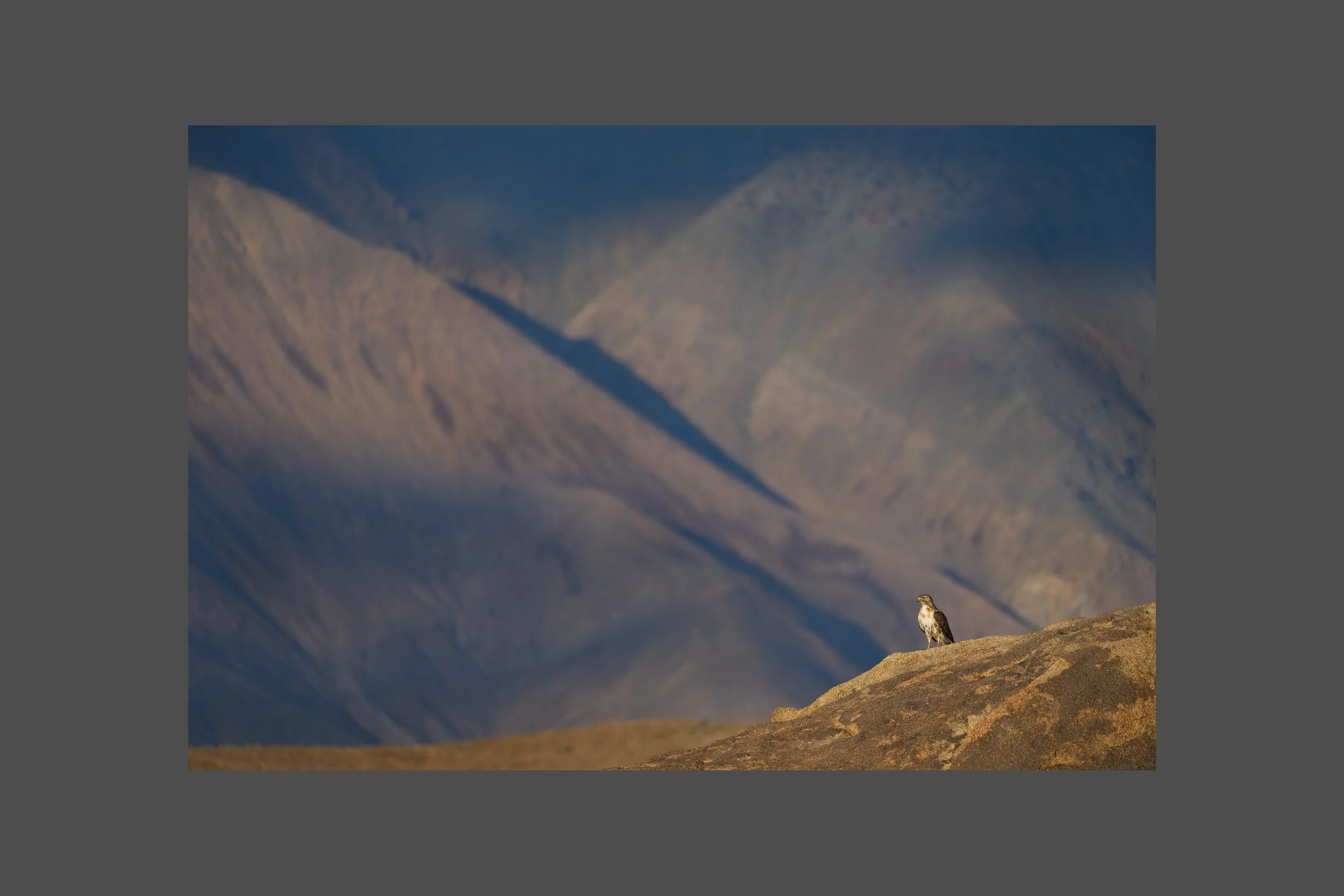
Inyo Sunset
Photographer: Jacques Fortier
click to view full-screen
I watched this Red-Tailed Hawk hunting in the high desert of the Owens Valley. While the jagged peaks of the Eastern Sierra are the showstopper in that area, I was pleased to come up with this composition showing off the more subtle beauty of the Inyo Mountains as the shadow cast by the Sierras crept down their face.
1/1250 • f/5.6 • ISO 200 • Sony A1 • 400mm • Sony FE 100-400mm F4.5-5.6 GM


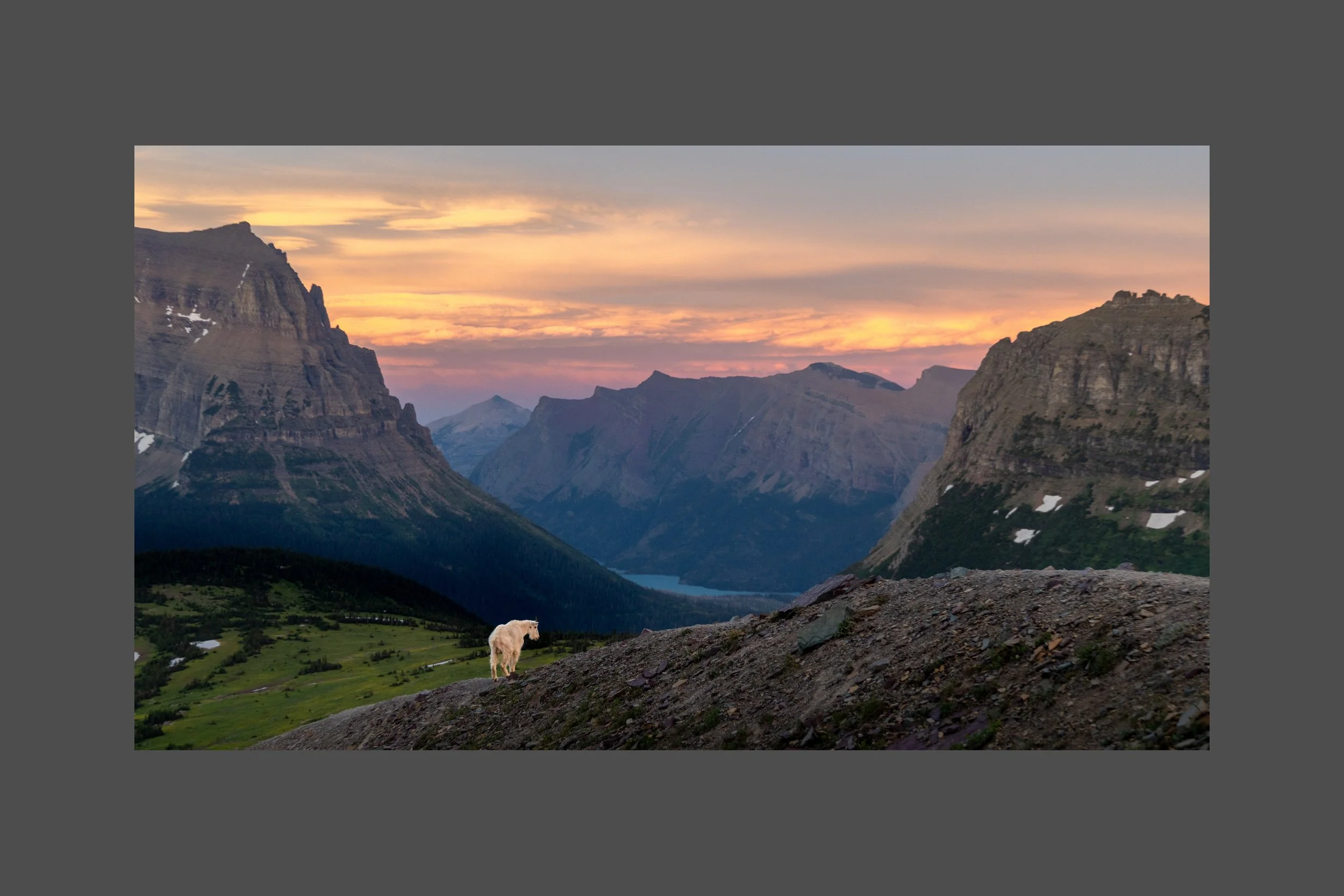
A Goated View
Photographer: Leo Dale
click to view full-screen
A mountain goat stands on a rocky ridge during a spectacular sunset in Glacier National Park. This sunset was my favorite of the ones I witnessed while in the park so I was delighted when I managed to line up this mountain goat with a particularly striking section of clouds and ridges.
1/320 • f/4 • ISO 1600 • Canon R5 II • 53mm • Canon 24-105 f4
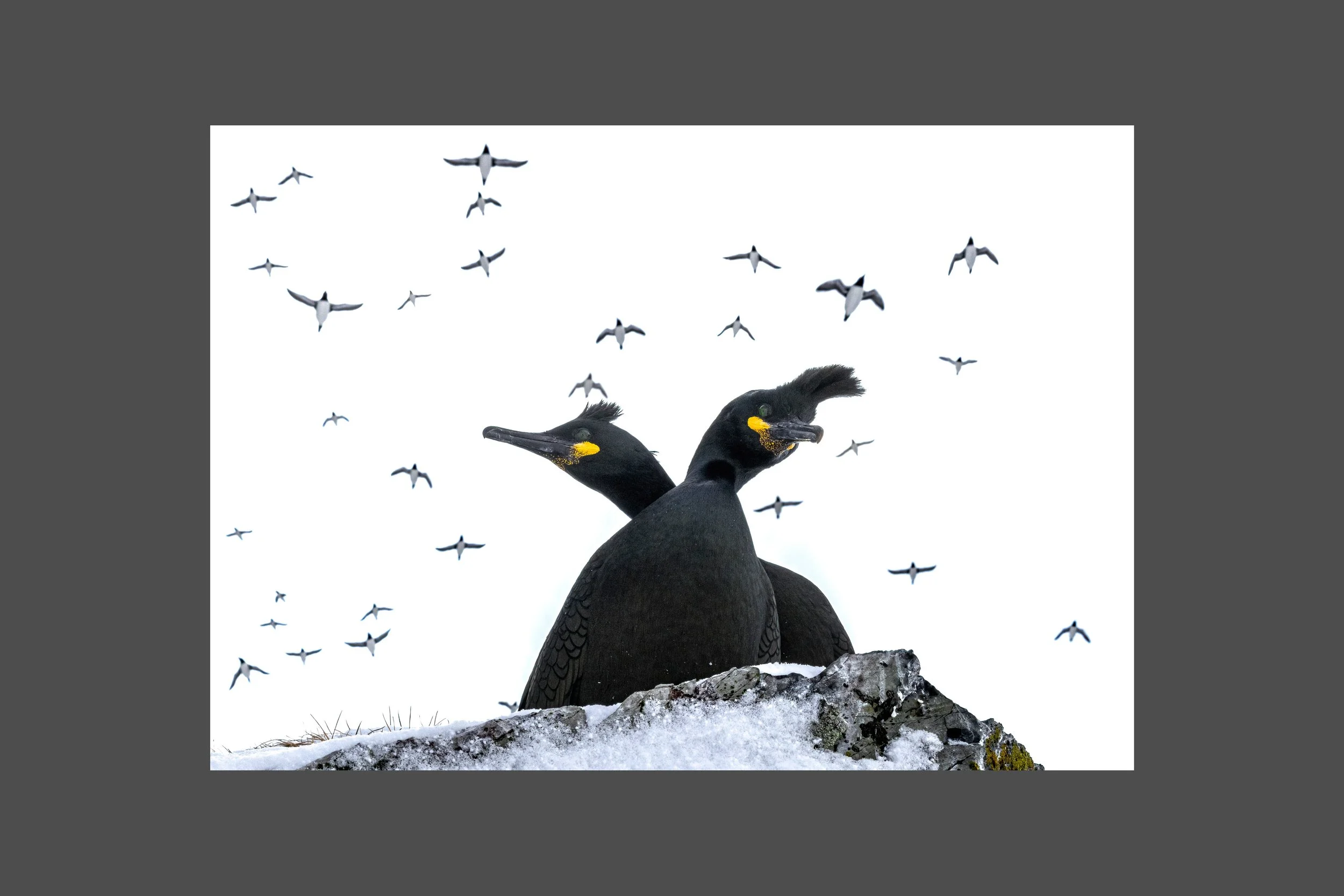
Companions
Photographer: Natashia Benzian Olsson
click to view full-screen
A wide view of a pair of Shags on Hornøya island, Norway - home to close to 100k seabirds during the breeding season.
1/640 • f/20 • ISO 500 • Canon R5 • 58mm • Canon RF 24-105 F4 L IS USM
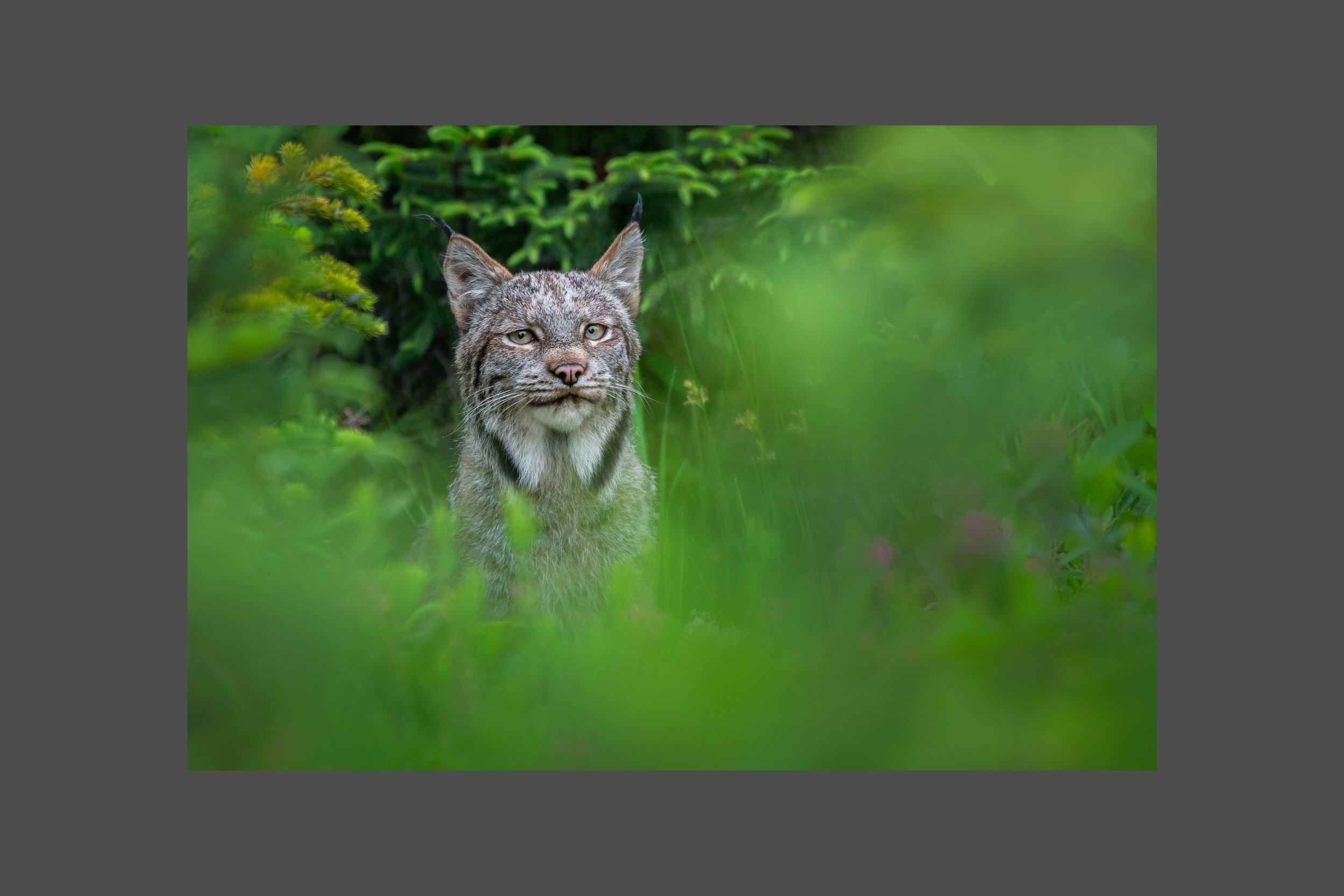
Canada Lynx
Photographer: Elliott Naef
click to view full-screen
I stumbled upon a pair of eyes watching me while conducting bird surveys one early morning in remote Newfoundland. Luckily, I had brought my camera with me that morning, as I had a gut feeling I would need it. I sat with this lynx for a few minutes, watching it sit and examine the environment. Slowly, we both went on our way and got back to what we were doing.
1/200 • f/6.3 • ISO 1800 • Nikon Z6ii • 600mm • Sigma 150-600mm f5-6.3 DG OS HSM Contemporary
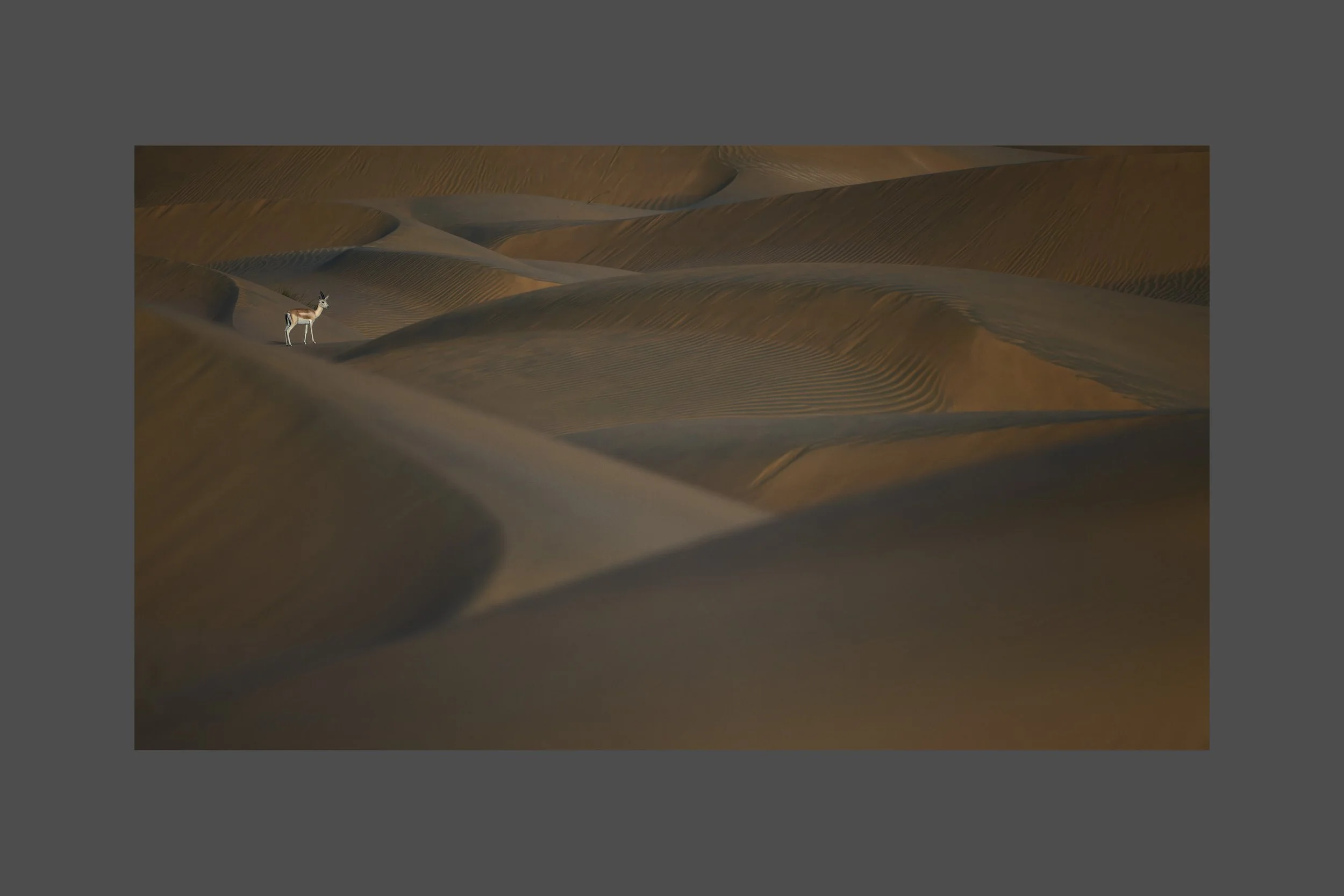
Desert Sentinel
Photographer: Khaldoon Aldway
click to view full-screen
A lone Arabian Sand Gazelle stands poised atop the sweeping curves of sun-kissed dunes, its presence both delicate and commanding against the vast emptiness. Bathed in golden light and shadow, in a landscape sculpted by time and wind.
1/2000 • f/5.6 • ISO 200 • EV -.07 • Nikon D850 • 500mm • Nikkor 500mm PF
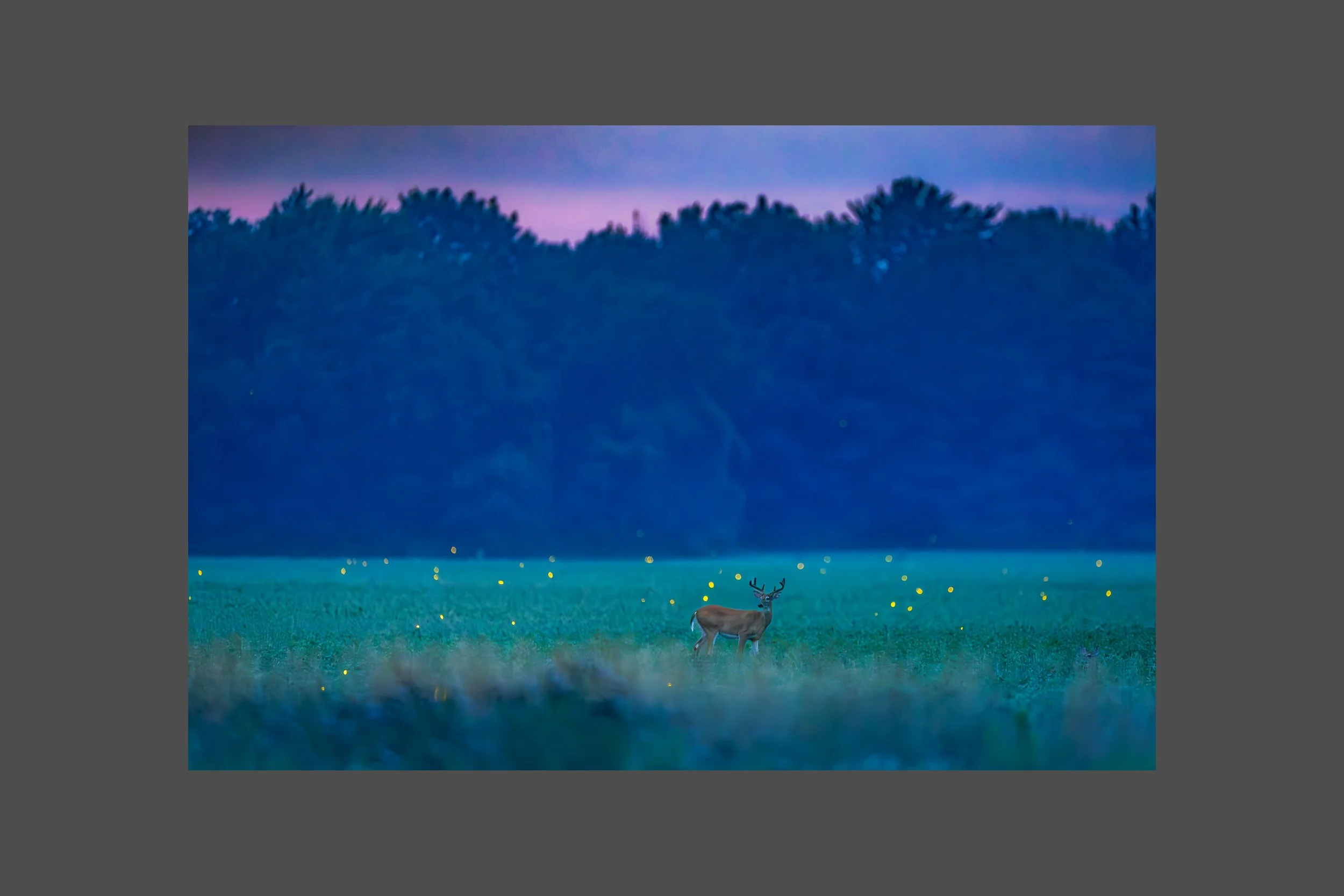
Buck among the Fireflys
Photographer: Hazeng Hazen
click to view full-screen
Difficult conditions but the buck stood still for 1/10 sec which kept the fireflies mostly round not streaked.
1/10 • f/2.8 • ISO 3200 • Canon R1 • 400mm • Canon RF 400mm f2.8
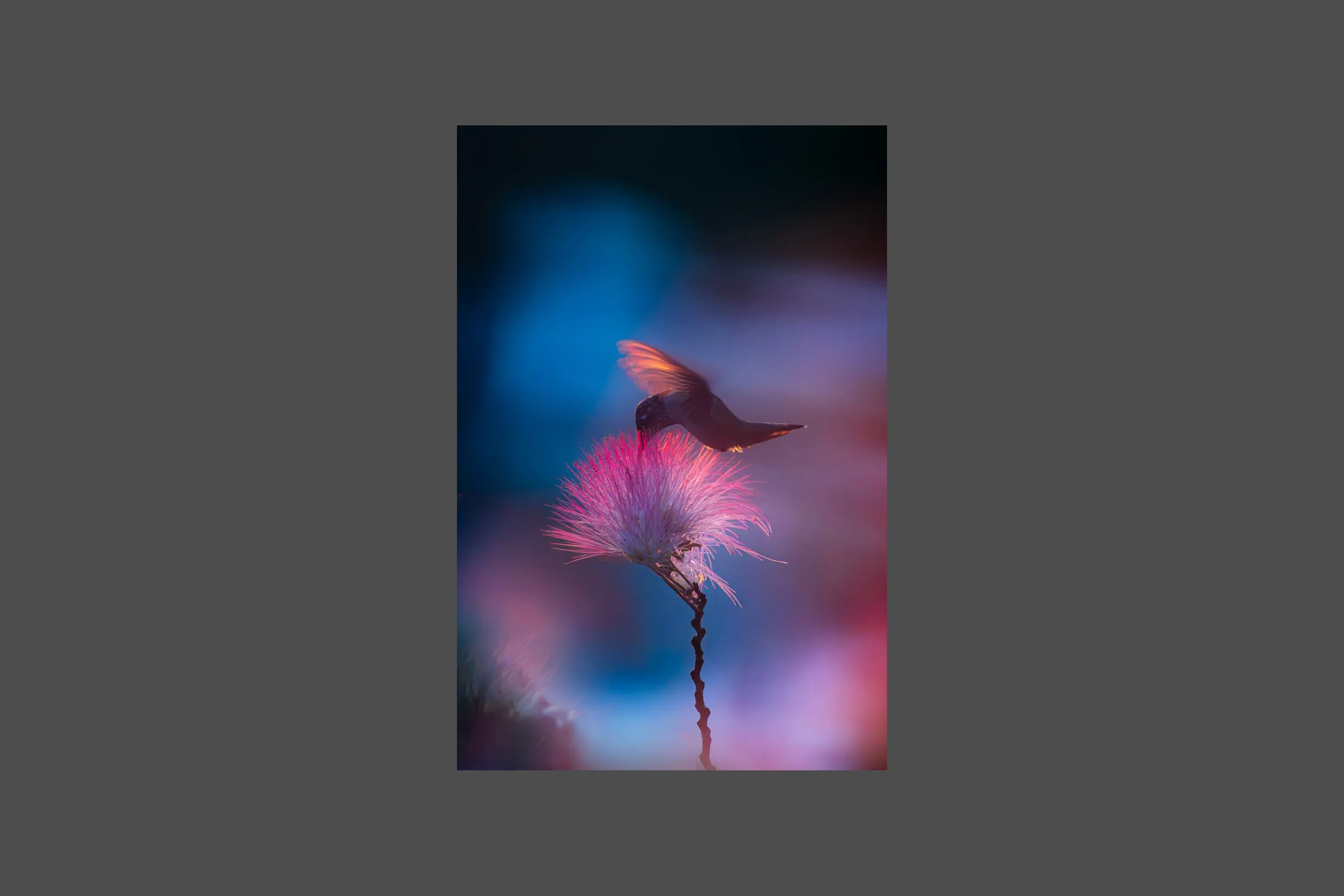
Mimosas at Sunset
This was taken out of my second floor bathroom window into the middle of our Mimosa tree at sunset. This year I decided to experiment with some off camera flash in a softbox with a purple color gel inside to create some interesting color casts on the birds and flowers.
1/250 • f/6.3 • ISO 1600 • Sony A1 • 600mm • Sony FE 200-600mm F5.6-6.3 G OSS



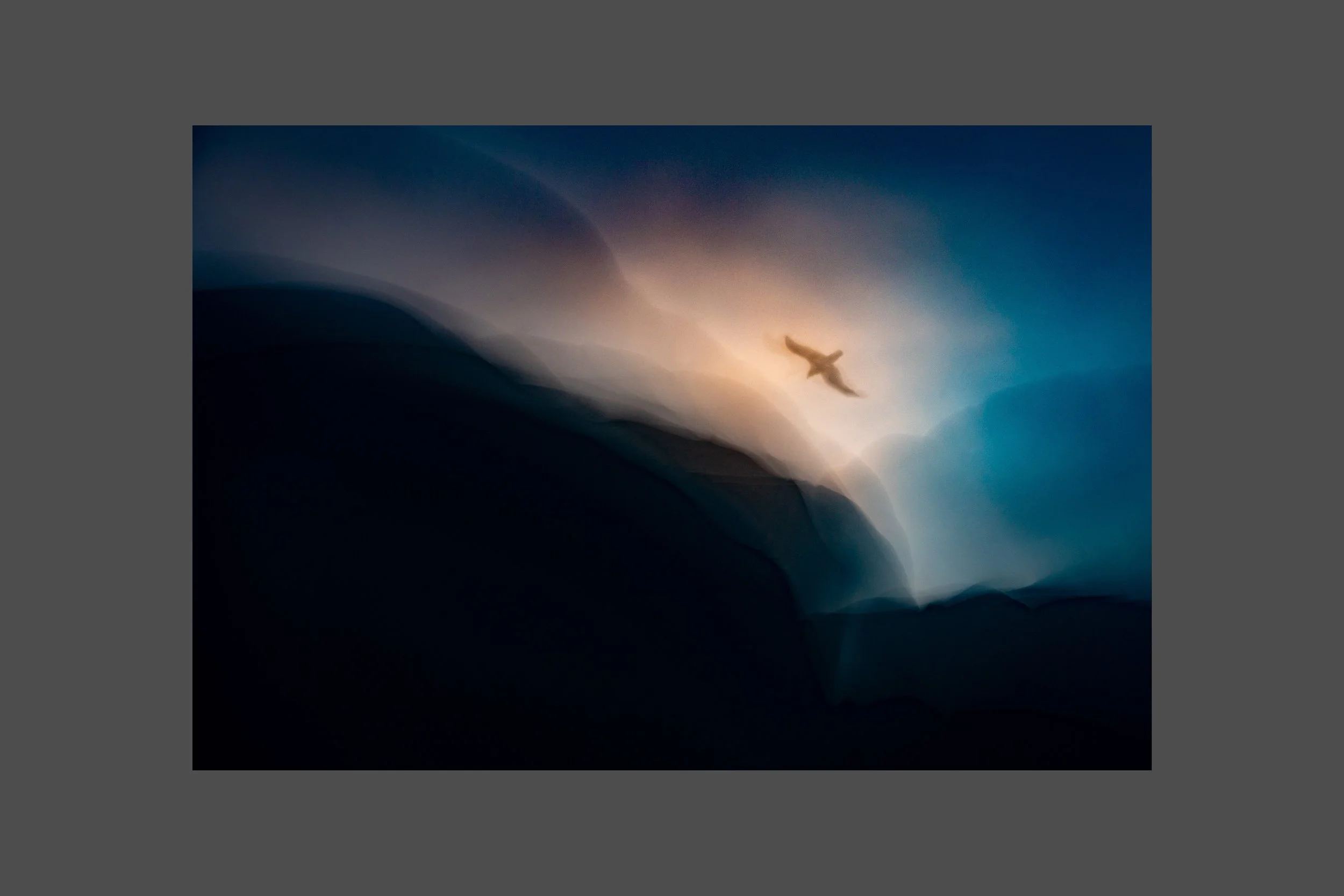
Sunset Seascape
Photographer: Jonas Janss Haugli
click to view full-screen
On a late summer evening on Norway’s southwest coast, I was hiking back from a lighthouse when the last light began to fade. The sky had been overcast all evening, but I kept hoping the sun would break through at the very end. And, just as I was about to give up, it did.
Warm light spilled across the clouds, contrasting with the blue mountains in shadow. Now I needed a motive; The seagulls were there, but never where I wanted them to be. So I turned to ICM. First capturing a gull flying behind me zoomed in, then the mountains and glowing clouds in front of me, zoomed out whilst moving the camera to create a soft and painterly image capturing the contrasting colours of this sunset seascape.
1.3 seconds • f/13 • ISO 200 • Nikon Z6III • 105mm (varying through the exposure) • Nikon Z 28-400mm
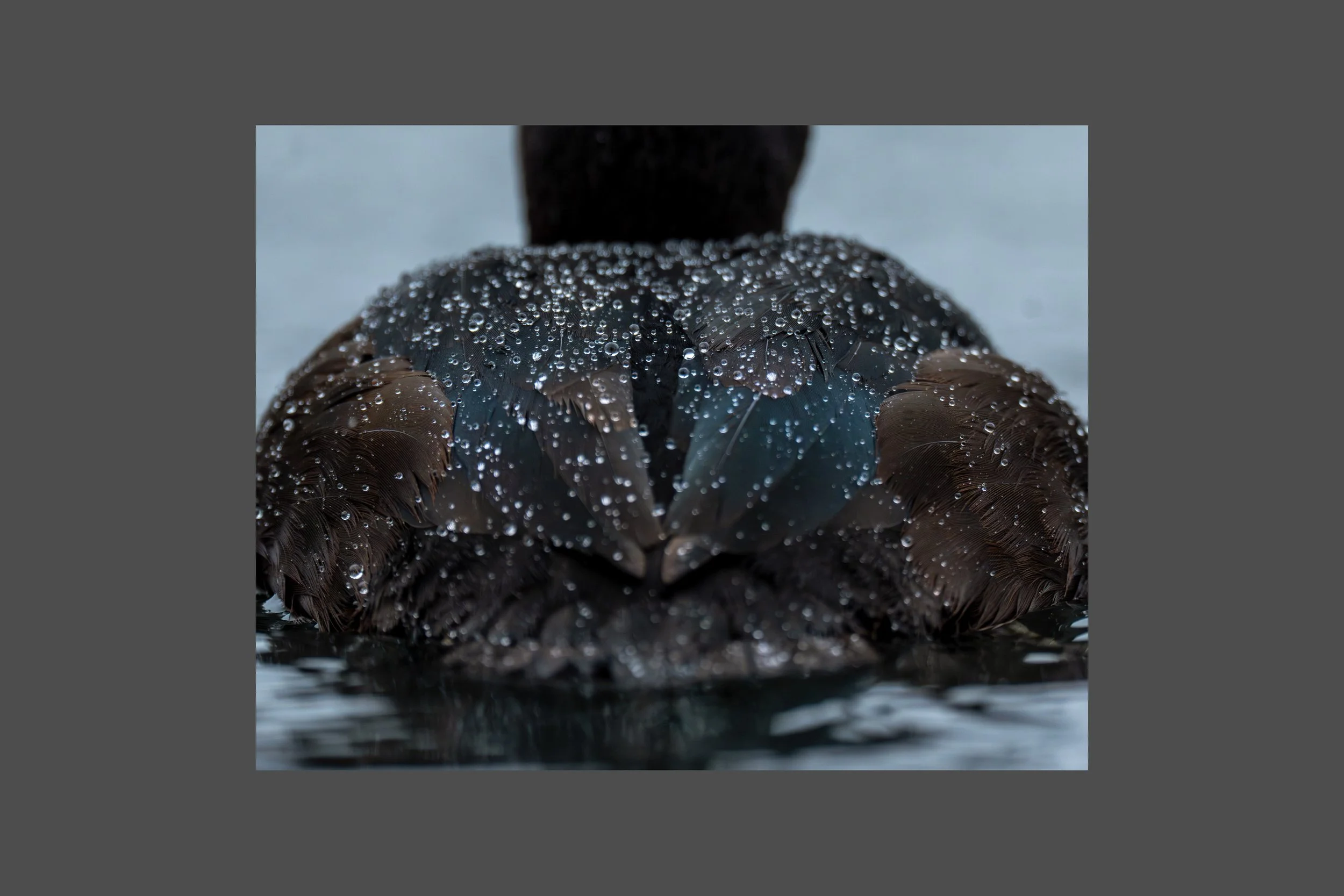
Water on a Ducks Back
Photographer: Simon Runting
click to view full-screen
I love photographing these small diving ducks in the rain. The New Zealand scaup seems to attract rain drops like a magnet and they cling to their feathers like beads. The only downside is I'm constantly getting soaked.
1/1000 • f/5.6 • ISO 1000 • Sony A1ii • 840mm • Sony 600mm f4 with 1.4xTC
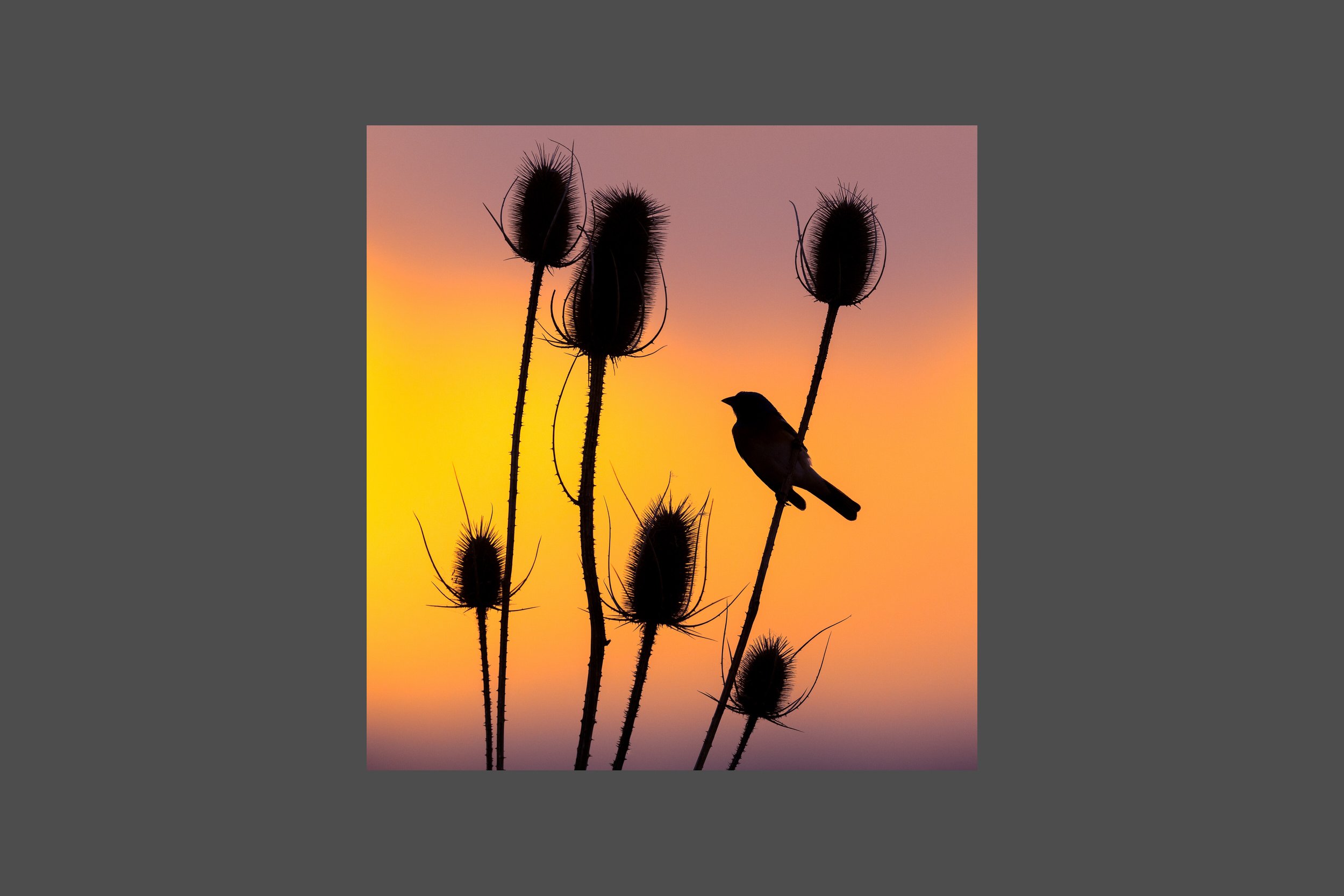
Great Salt Bunting
Lazuli Buntings are fairly abundant, but they can be surprisingly challenging to photograph as they’re usually singing high up in the treetops. For years, I’ve hoped to capture the vibrant blue and orange plumage of this beautiful bird. Finally, that day came and of all the images I captured, my favorite turned out to be a silhouette framed against the incredible colors of a Great Salt Lake sunset. This is a great reminder that when that dream bird finally appears, it’s worth experimenting with as many different techniques as possible. You never know which image will end up being your favorite.
1/3200 • f/6.3 • ISO 1250 • Canon R1 • 600mm • Canon RF 600mm f4
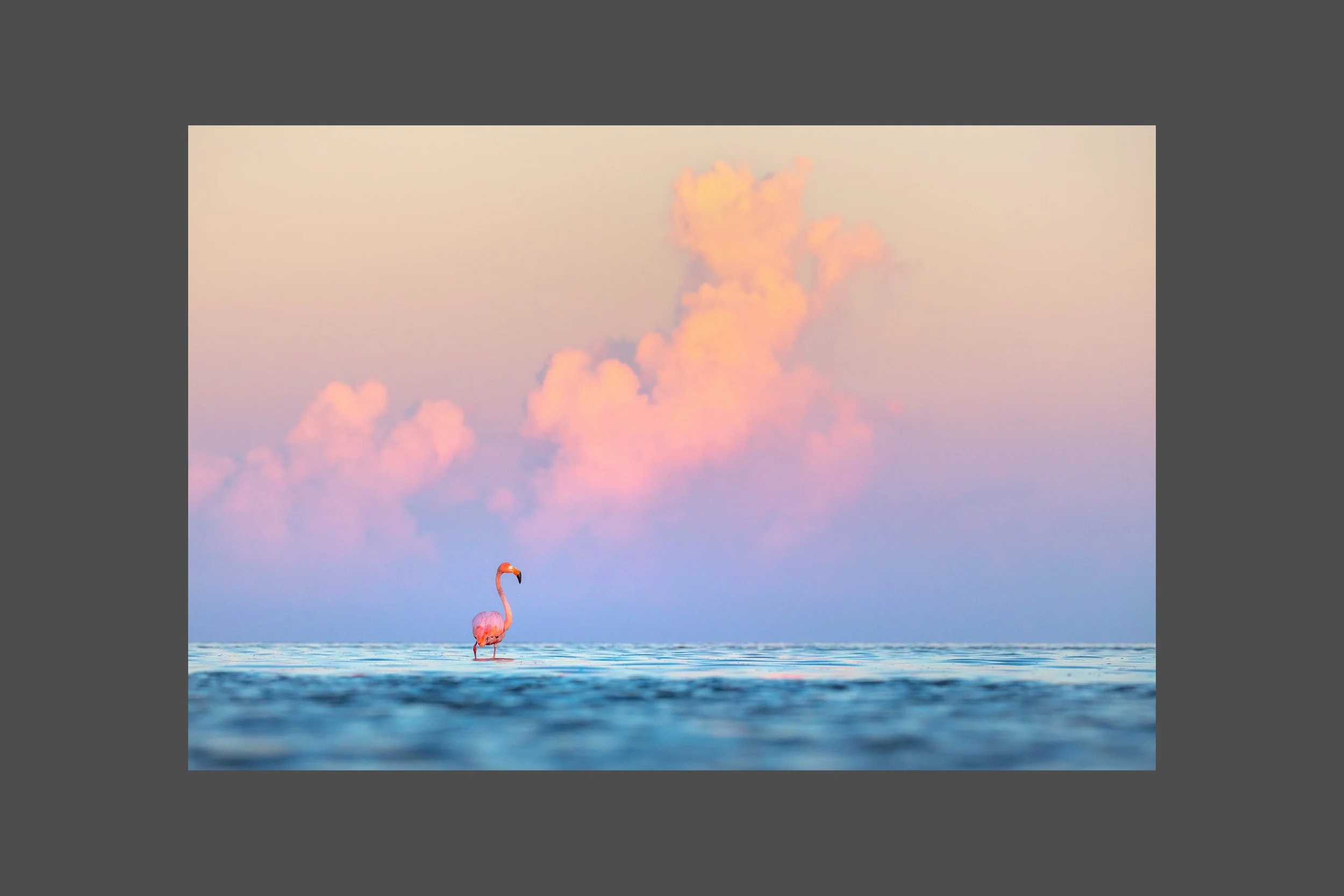
Flamingo Surprise
Photographer: Matt Bruce
click to view full-screen
My wife and I visited Everglades National Park in October of last year and were treated to an incredible surprise while kayaking in a remote section of the park: a flock of 49 American Flamingos! These birds used to be seen in South Florida by the thousands prior to about the year 1900, but the plume trade and habitat degradation led to the eradication of the species in Florida, save for a spattering of transient records here and there. However, in August of 2023 hurricane Idalia passed between Cuba and the Yucatan Peninsula where migrating American Flamingos got swept up in the storm. Idalia continued northeast to make landfall in Florida. Then continued across the Southeast before moving out to sea near the southern border of North Carolina. As the storm moved it deposited flamingos. In the days and weeks following the storm, these displaced birds were spotted in 18 states throughout the East and the Midwest! As time went on most of these birds made their way south but a few nomadic flocks remain along the Gulf Coast. In fact, a survey conducted in February of last year counted 101 flamingos in Florida. It’s wild to think we stumbled across almost half the state’s population.
1/500 • f/7.1 • ISO 1000 • Canon R6 Mark II • 223mm • Canon RF 100-500mm f/4.5-7.1
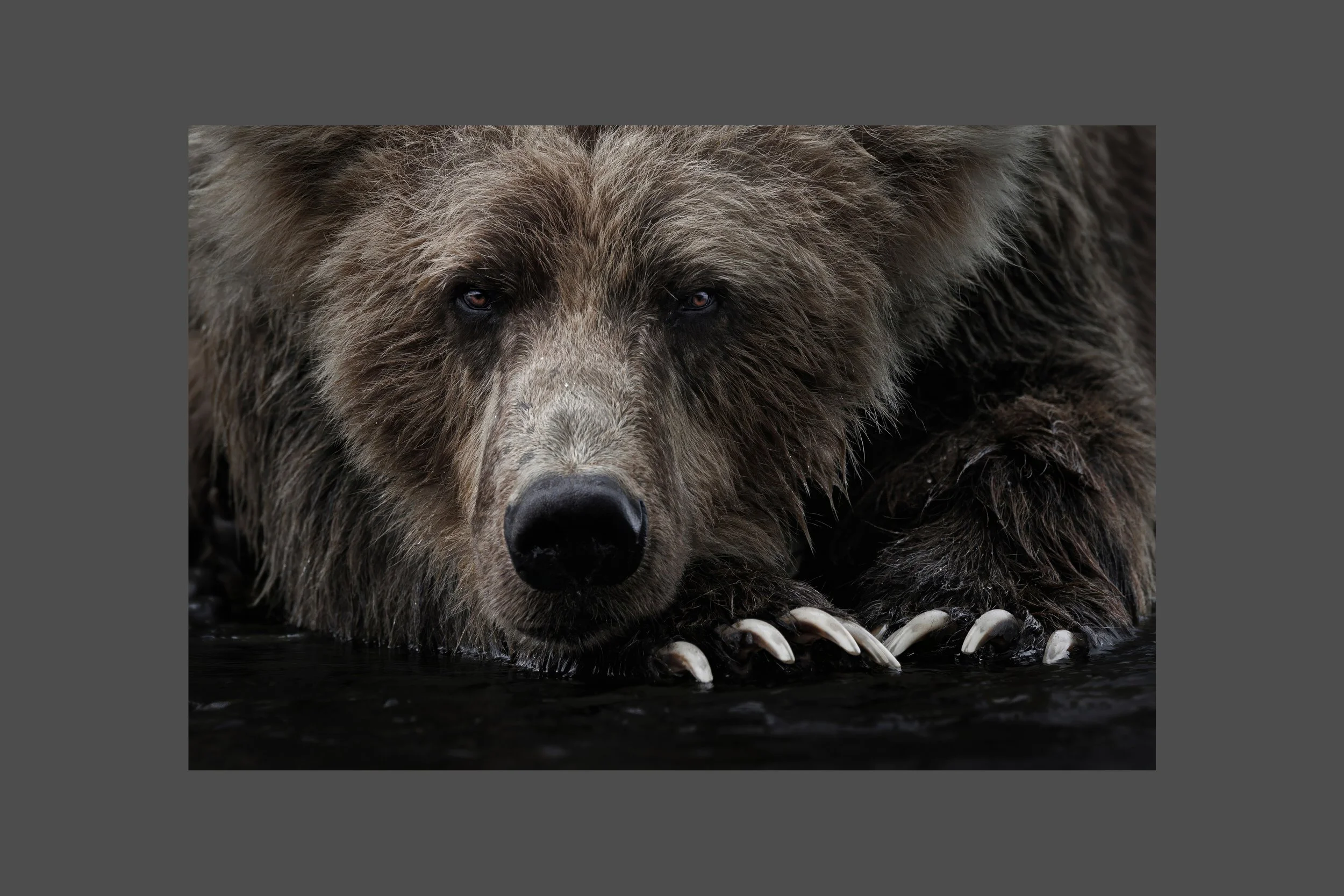
Whiteclaw
Photographer: Maxime Legare-Vezina
click to view full-screen
An intimate look at a beautiful brown bear resting in shallow water, with a striking little detail, some rare white claws.
1/640 • f/4.5 • ISO 800 • Canon R5II • 400mm • Canon RF400mm 2.8

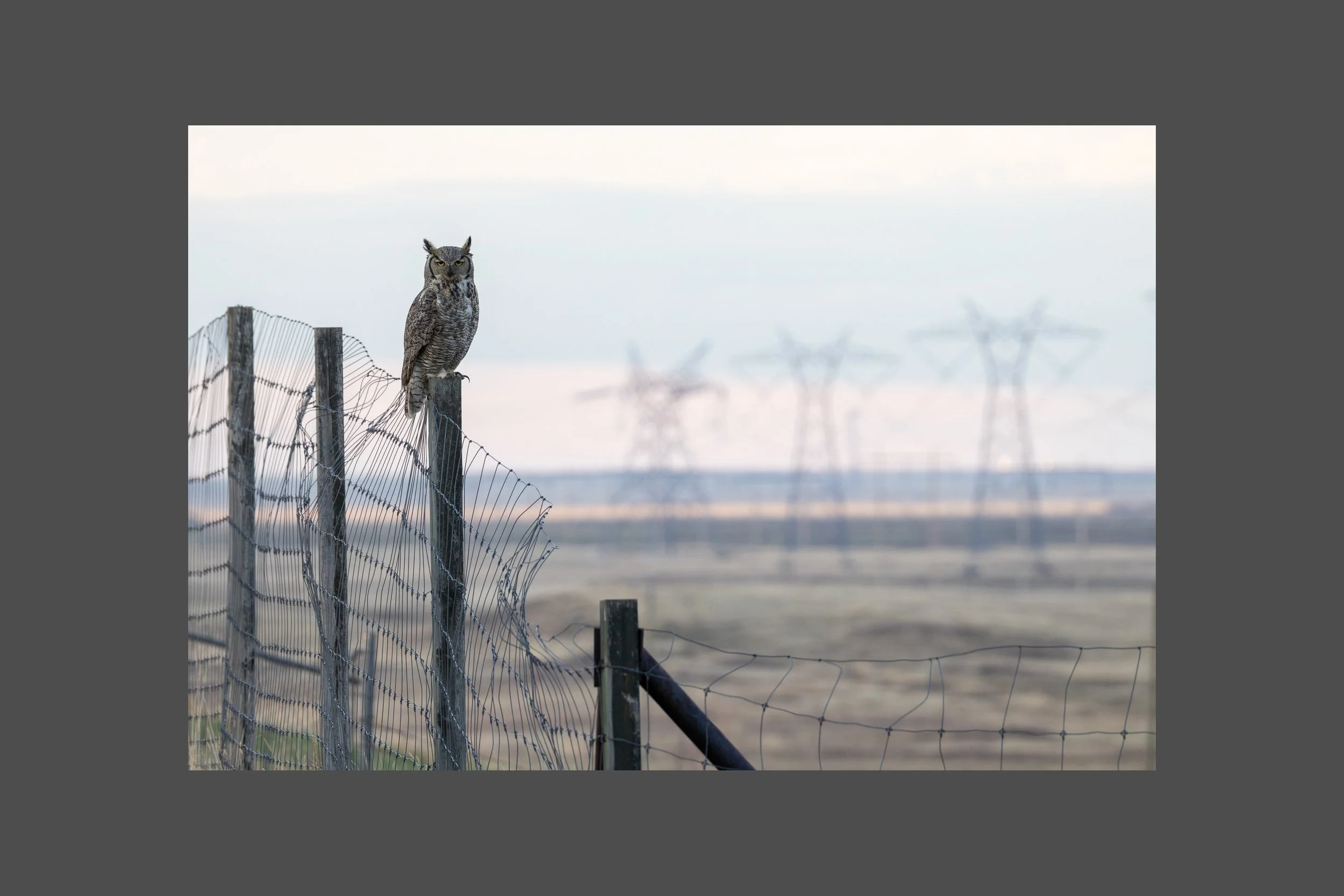
Great Horned Owl, Hanna, Alberta
Photographer: Rain Saulnier
click to view full-screen
A Great Horned Owl posing on a fence post with one of the main electrical transmission lines for the province of Alberta running north-south in the distance.
1/500 • f/8 • ISO 1000 • Canon R10 • 371mm • Canon 200-800 f6.3-9

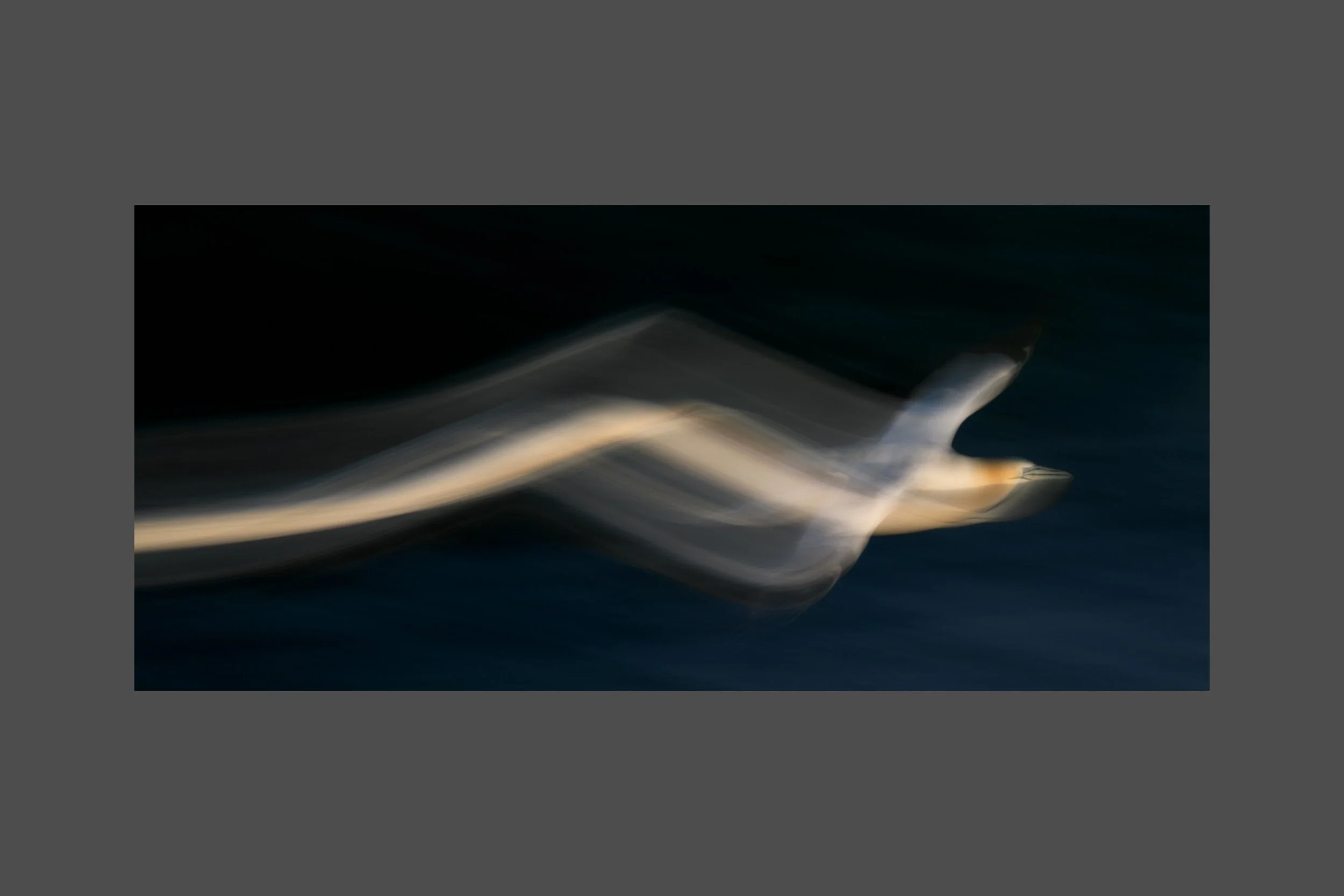
Northern Gannet Streaks
Photographer: Ray Hennessy
click to view full-screen
This was my first time ever really pushing into longer exposure ICM bird in flight shots of a Northern Gannet. I took this one at 1/2 second exposure and right after I pressed the shutter button I panned the camera to the right in front of the bird so the streaks would trail behind it. This is definitely a technique I want to try more of in the future and I was glad to get a bunch of clients trying it as well during the workshop.
.4 seconds • f/40 • ISO 32 • Nikon Z9 • 320mm • Nikon Z 100-400mm f/4.5-5.6
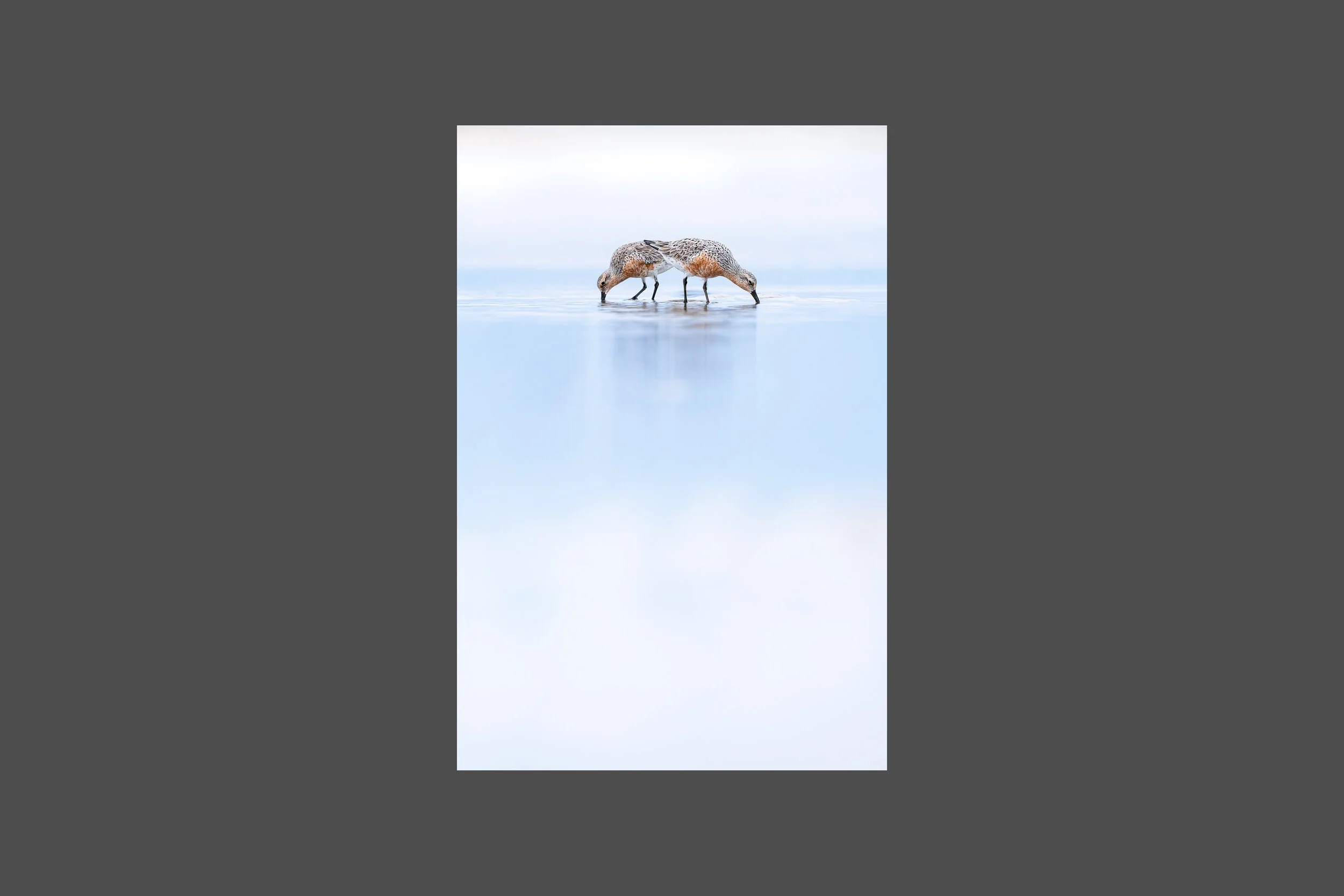
Parallel
Red Knots are notorious for moving in groups, so getting just two in a clean composition meant a lot of patient waiting. When it finally happened, the image was good, but the crop is what gave it the drama. Pulling in tight on that band of blue and letting the negative space breathe below them is what turned a nice shot into the one I wanted.
1/1000 • f/6.3 • ISO 2000 • Canon R5MII • 600mm • Canon EF USM III 600 f/4
City Lights
Photographer: Heiko Herrmann
click to view full-screen
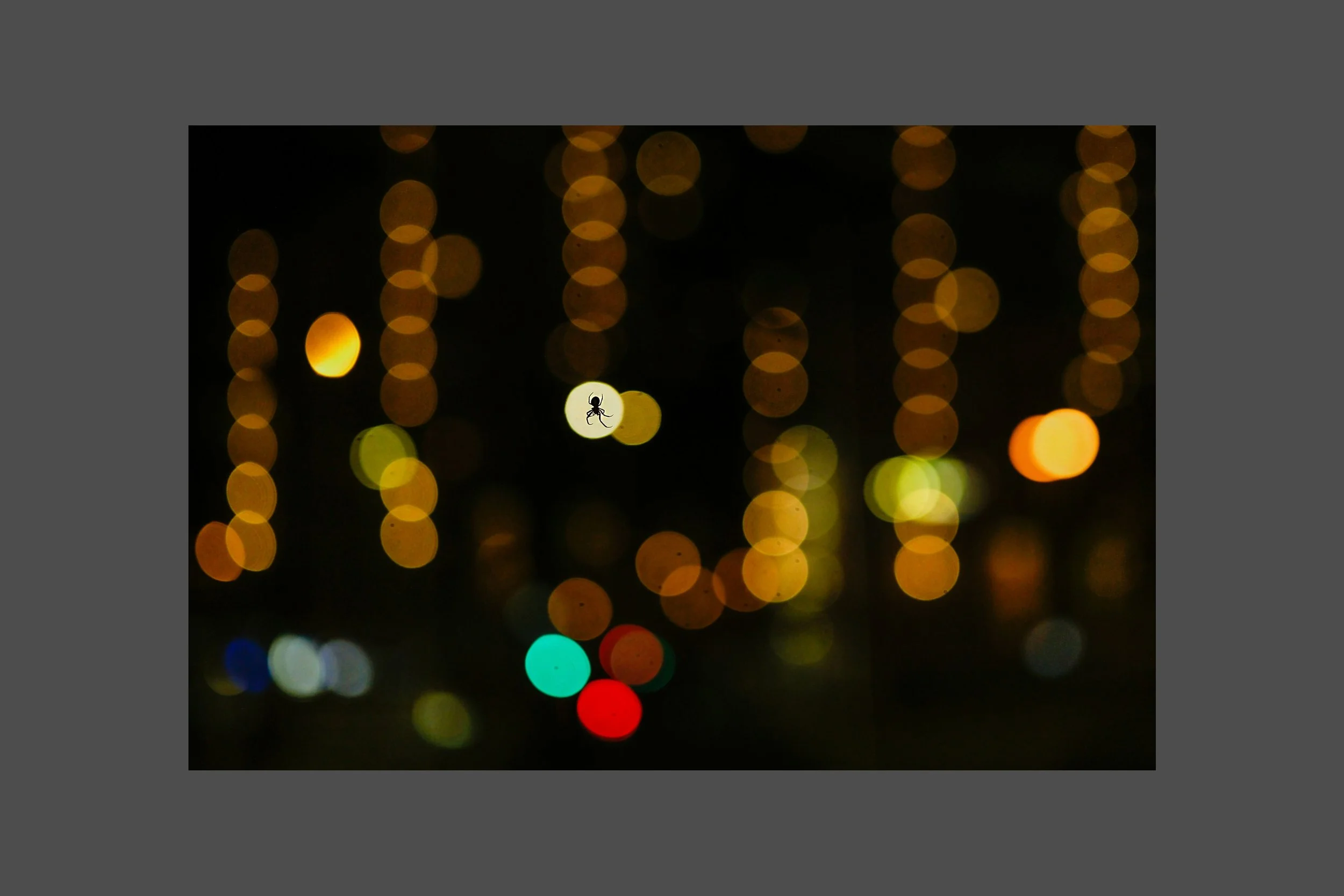
When fall arrives, you can photograph spiders in the city centers here in the Ruhr region in Germany—especially in places where there are lots of lights and, consequently, lots of insects. The distinctive body shape of cross spiders lends itself perfectly to creative shots, and I particularly enjoy using the city lights as a backdrop, positioning the spider in front of one of the blurred lights in the frame, and focusing on the atmosphere and the vibrant colors of the city.
1/150 • f/1.4 • ISO 800 • -3.3EV • Fujifilm X-H2S • 33mm • Fujinon XF 33mm f/1.4
On the Fence
Photographer: Ed Dailey
click to view full-screen
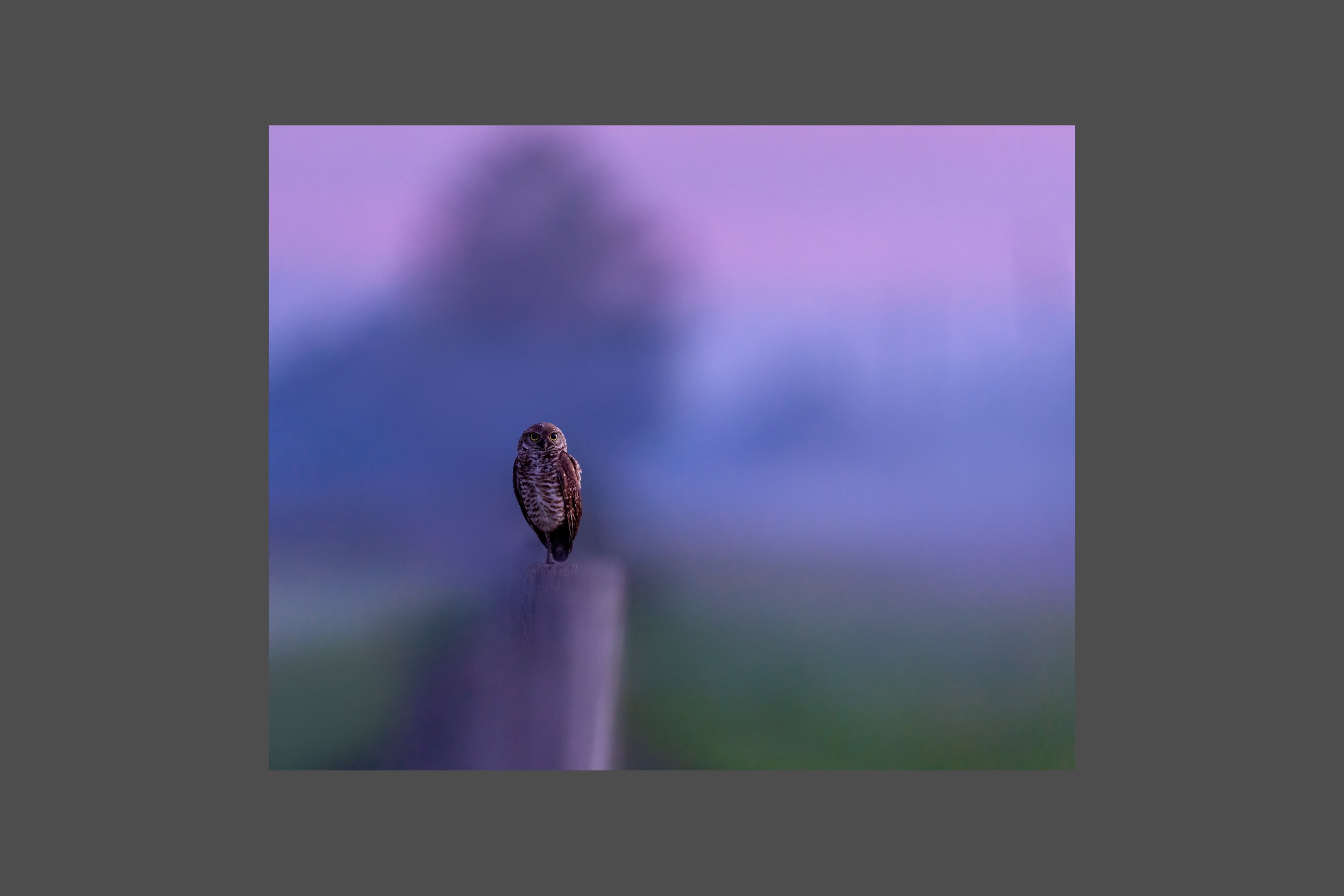
I saw this Burrowing Owl on a fence post before sunrise and was able to line up the foreground posts to obscure most of the post detail in the owl's focal plane.
1/100 • f/4 • ISO 2500 • Sony A1ii • 600mm • Sony 600mm F4
Striped Stalker
Photographer: James Ferrara
click to view full-screen
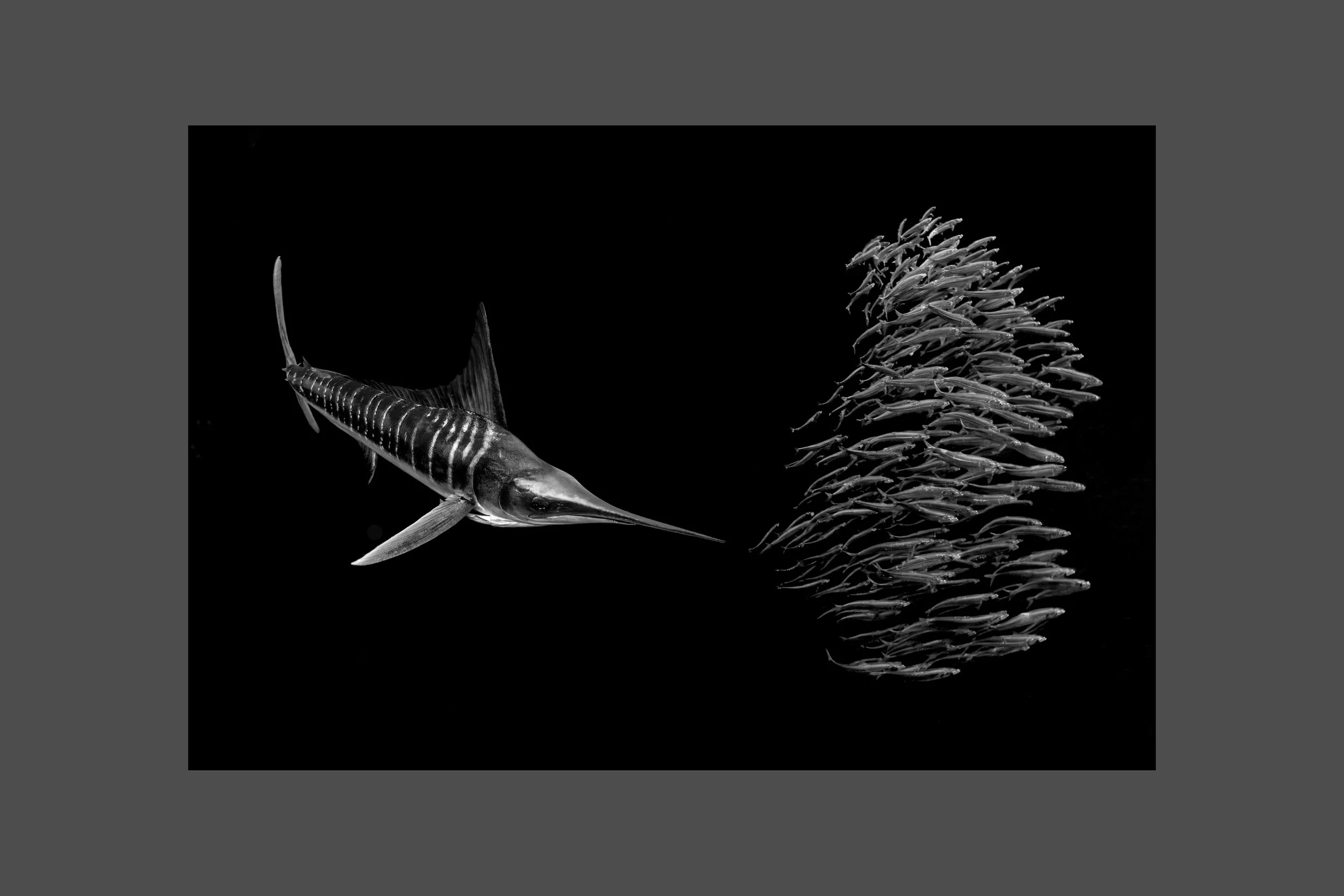
A striped marlin rushes in to feed on a sardine bait ball. The speed and precision of these predators is amazing to witness.
1/800 • f/5.6 • ISO 1250 • Sony A7rV • 36mm • Sony 28-70mm F3.5-5.0
Kids Being Kids
Photographer: Jacob Begis
click to view full-screen
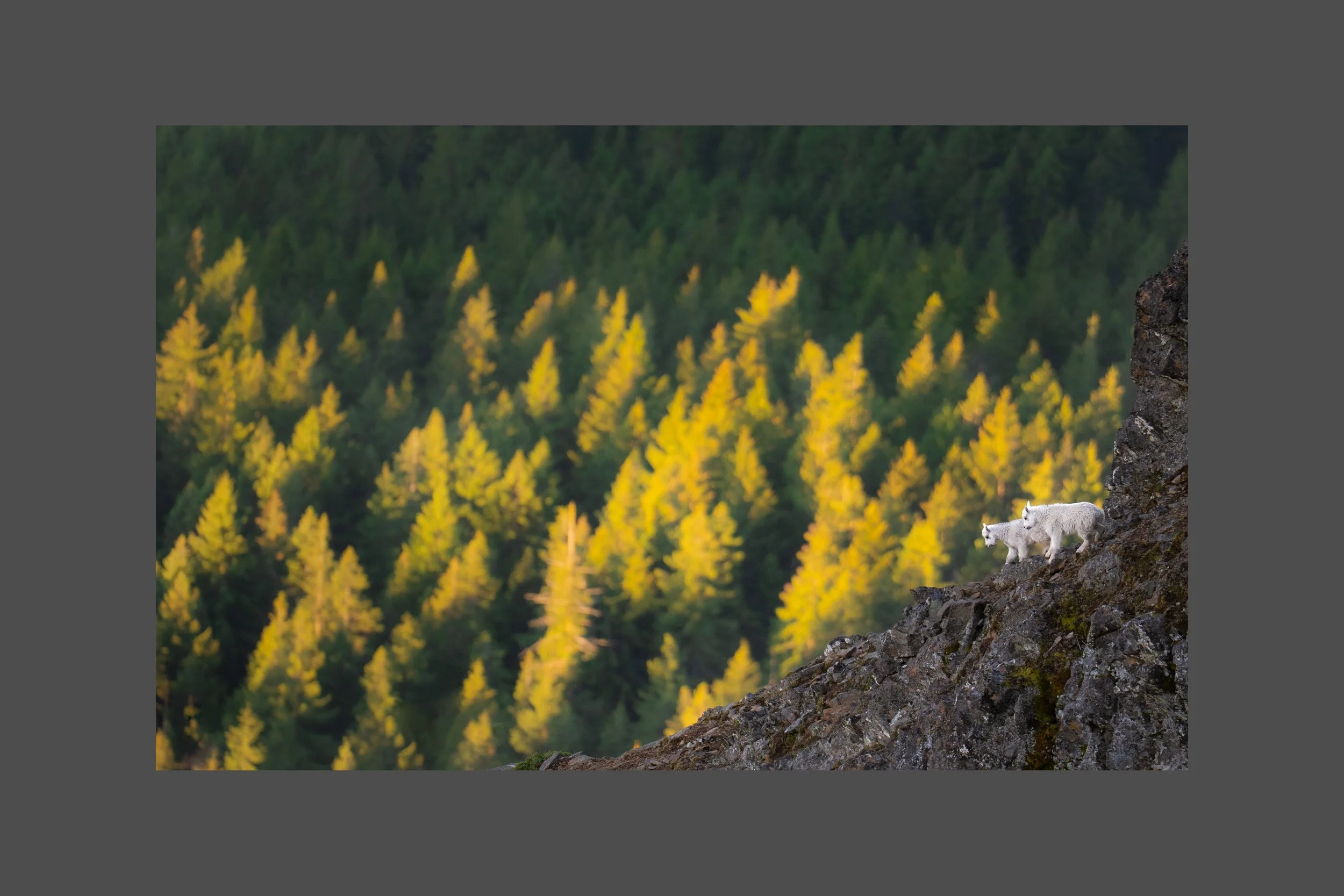
Mountain goat kids are born with an innate ability to climb. It was a lot of fun to watch this pair confidently scramble around the rocks, without straying too far from their mother
1/1000 • f/2.8 • ISO 800 • Sony A1 • 200mm • Sony 70-200mm F/2.8

The Next Stage
Photographer: Matt Poole
click to view full-screen
One of the many benefits of working with wildlife is witnessing major events in an individual's life. While monitoring 17 Great Gray Owl nests this year, I witnessed nest failure, death of adults and young, nests fledging three young, and nests fledging only one.
For this particular baby, she was the second of two nestlings to jump the nest and enter the next stage in her young life. Unable to fly for the next few weeks, she'll use her innate skills to survive. This period is called the Branching Stage. Young owls will often find themselves on the forest floor after leaving the nest. From there, the only place to go is up. For the first day, they might find themselves climbing tree stumps and fallen trees. They will quickly learn to use their sharp talons and beak to climb even the most vertical of trees into the safety of elevation.
Having jumped the nest only hours earlier, this young owl found herself halfway up the remnants of an old-growth coniferous tree - the rotting root system rising from the ground. Later on, she'll flap and hop through the vegetation on the floor to find a suitable tree to climb and ascend into the canopy.
1/160 • f/3.2 • ISO 1000 • Nikon Z9 • 24mm • Nikon Z 24-70mm f/2.8
Thank you for visiting Immerse in the Wild. This website is available only on larger screens, you are kindly asked to view on a larger tablet or desktop screen so that you may enjoy the immersive high quality photos from each amazing photographer featured.