Immerse in the wild welcomes you to a full-screen, high quality wildlife photography viewing experience. You are invited to click on any photo to view additional information including the photographer’s name, camera settings, photo title, and a brief description.
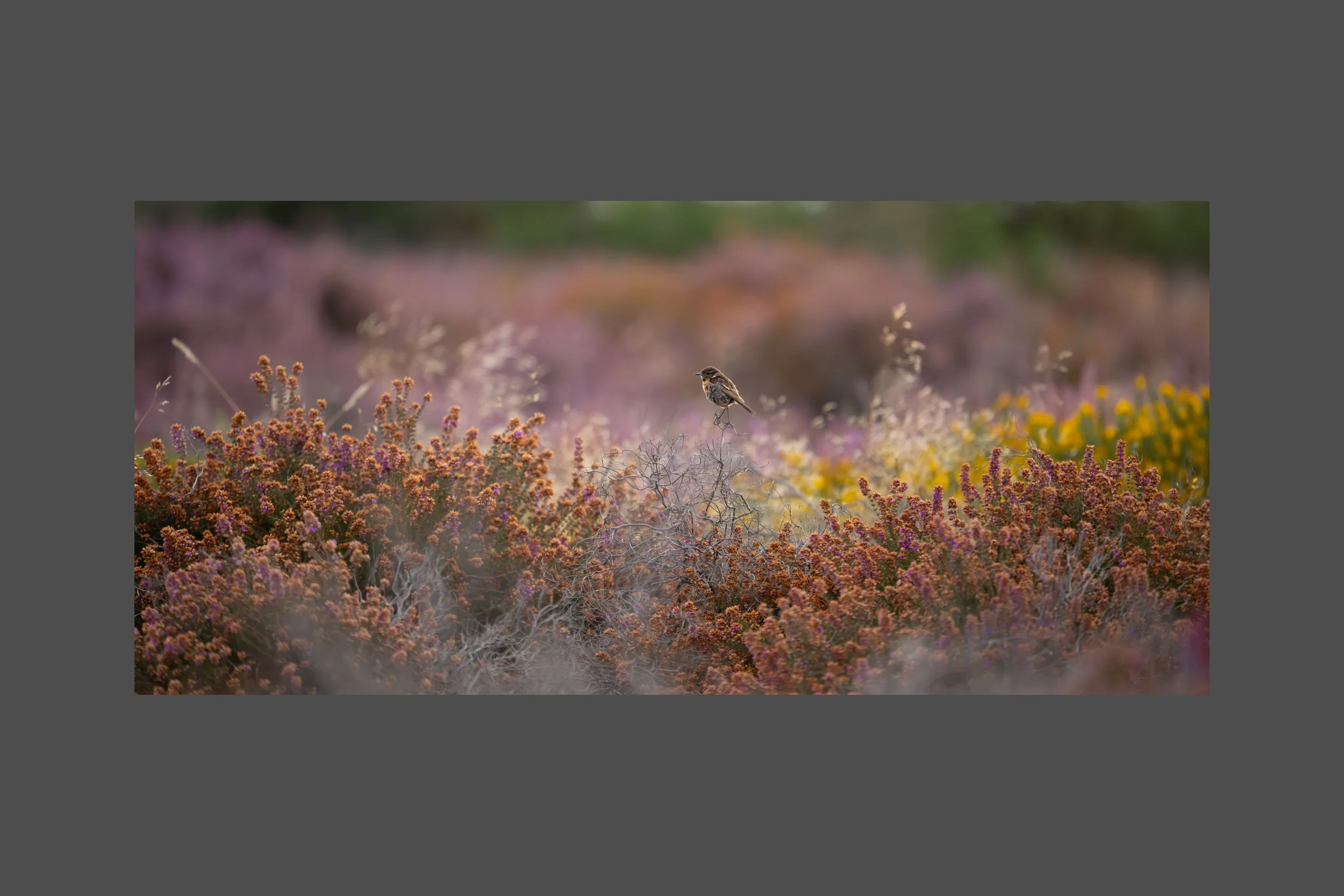
Colour Salad
Photographer: Phil Bowcher
click to view full-screen
1/8000 • f/4 • ISO 2000 • Nikon Z9 • 560mm • Nikon 400mm f/2.8 TC

Up on the heath staring at these layers of colours without a bird in sight for quite some time then this Stonechat appeared and I moved about 10 m to my right to get it where the colours dip in the middle. Sometimes it all comes together!
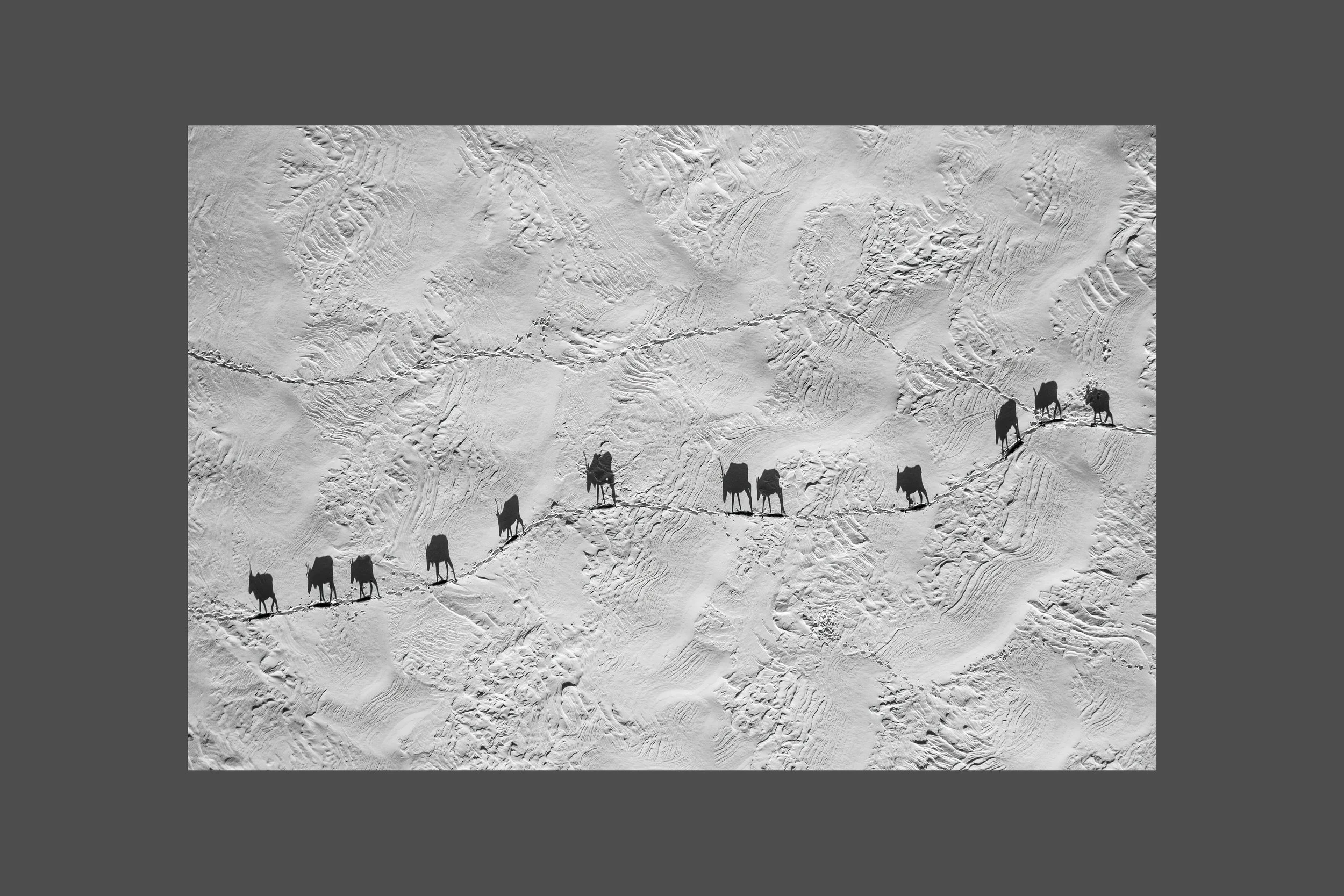
The Great Migration
Photographer: Jean-Christophe Lemay
click to view full-screen
1/3200 • f/2.8 • ISO 100 • DJI Mavic 2 Pro • 10mm Equivalent • Hasselblad Integrated Lens




A group of caribous braving the harsh winter conditions of Northern Quebec while crossing this frozen lake, as seen from the sky.

Pileated Woodpecker In The North Woods Of Minnesota
1/100 • f/2.8 • ISO 2000 • Canon R3 • 300mm • Canon EF 300mm f/2.8 L IS II USM


A few winters back, some friends and I took a birding and photography road trip from New Jersey to Minnesota. At times, we found ourselves near Superior National Forest, not far from the Canadian border. While one of us drove along the snowy roads, the rest looked out the open car windows with thermal optics that detect heat. This was the most vast and deserted area we encountered during the trip. It was cold, still, and dark from the early morning light and heavy clouds. One morning, I was scanning and spotted a small heat signature. It turned out to be this guy. We took some shots right from the car and then kept going. I think this image, with its cool tones, snow on the trees, and the subject small in the frame, gives a bit of a sense of what it was like there that morning.
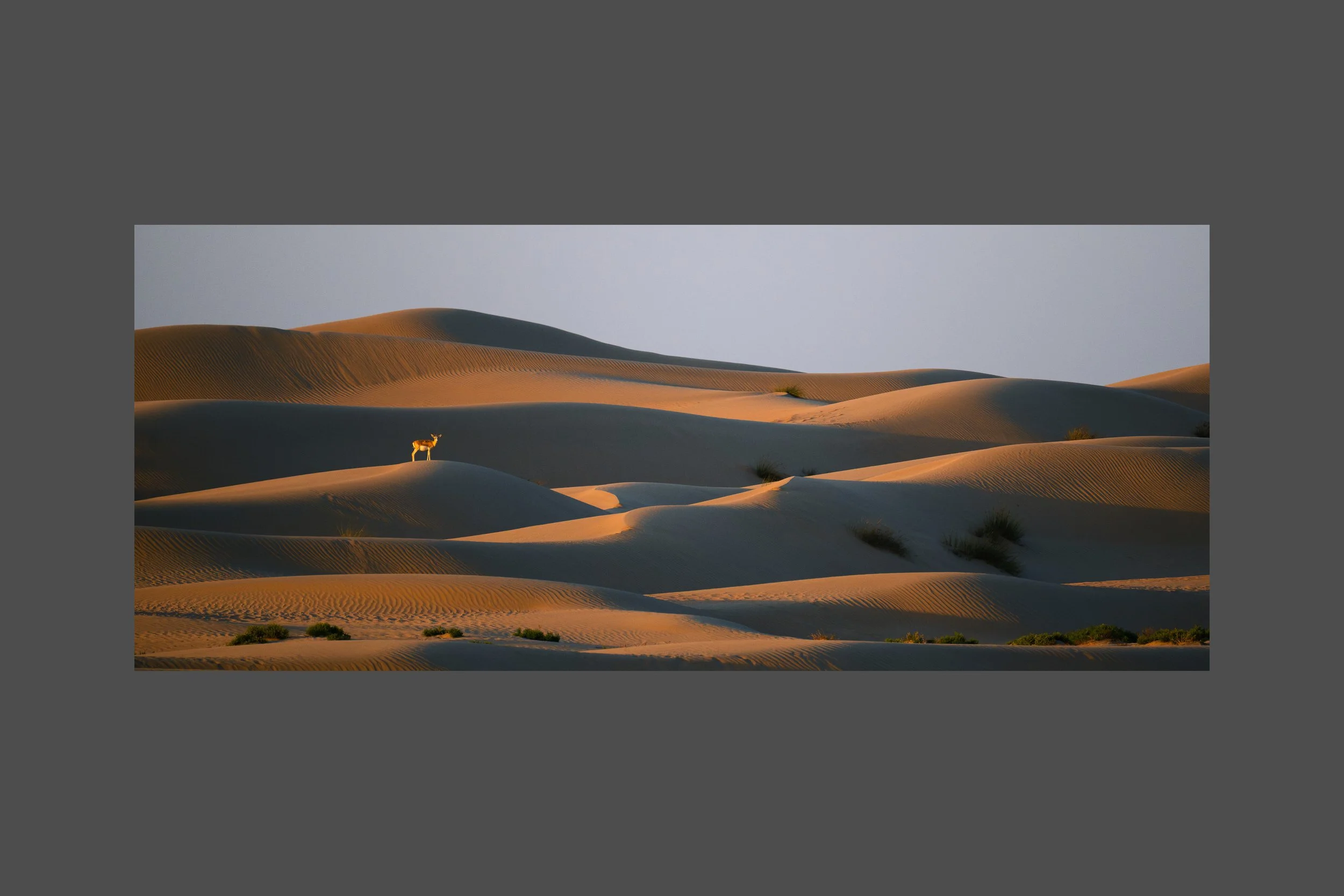
Place of Belonging
Photographer: Rohail Akbar
click to view full-screen
1/1250 • f/6.3 • ISO 400 • Nikon Z8 • 600mm • Nikon Z 180-600mm f/5.6-6.3 VR
I've been wanting to capture this shot for a long time. There have been many opportunities and attempts made where the conditions were almost perfect, but the light didn’t fall quite right, or the gazelle wasn’t in the exact position or pose I had envisioned. Naturally, in all those scenarios I tried repositioning myself, but it never quite resulted in the image I was hoping for. That’s why I’m especially happy and proud to present this photo today, and I really hope you all enjoy the final result as much as I do.
I believe this image truly highlights the beauty of this species (Arabian Sand Gazelle) within its natural environment—something I always strive to showcase in my work. While wildlife itself is undeniably breathtaking, I've learned that its equally integral to shine a light on the rich and diverse biomes that support these animals: the native plants, terrain, and the many other species that together give each other a purpose and the ability to thrive against challenging odds.
Admittedly, when I first started editing this image, I considered removing the bushes scattered throughout the dunes. However, I took a pause and reflected on how essential they are to the story of this scene. Native plants like these provide food, water, and shelter—not just for this Sand Gazelle, but for countless other desert species. It’s a reminder of just how masterfully every element of nature is intertwined with one another. As time passes, that continues to become one of the greatest marvels of the natural world for me.
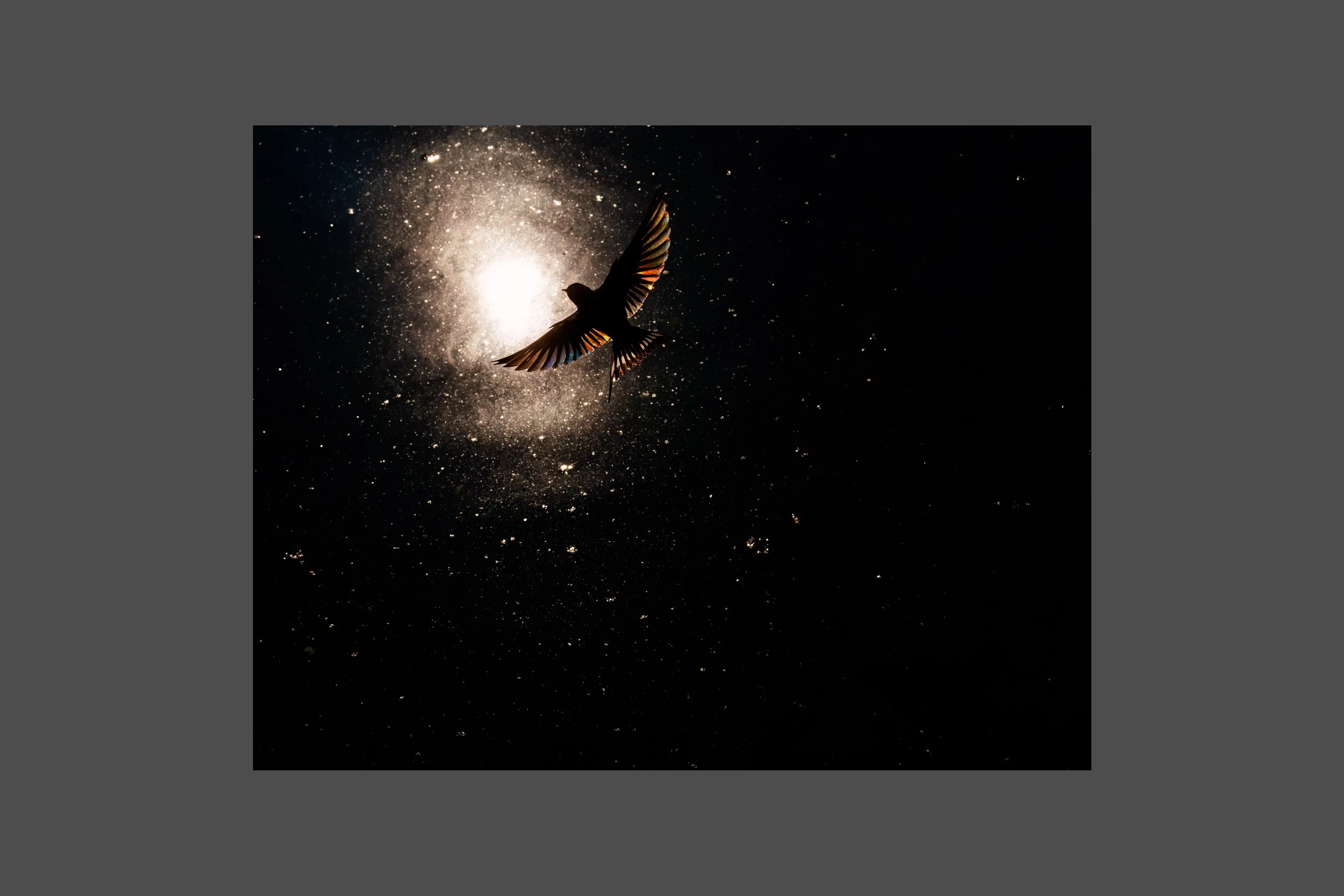
Starbound Swallow
Photographer: Gurnit Atwal
click to view full-screen
1/6400 • f/18 • ISO 1250 • Sony A1ii • 122mm • Sony FE 70-200mm f/2.8 GM OSS II
I often joke that swallows move at "warp speed," seeing them more as space travellers than birds. This inspired a photographic project: capturing a swallow in a scene resembling outer space. I found my location at an urban park marina bridge. By intentionally underexposing the reflective water, the sun’s reflection became a giant star, while specs of plastic and plant life transformed into pinprick stars, creating the perfect cosmic backdrop.
The conceptual simplicity—capturing a swallow flying directly into the sun's reflection with a black background—was severely complicated by two factors: the swallows' extreme speed and a persistent Toronto heatwave. To achieve the perfect shot in-camera, I committed to spending hours daily, during the sun’s peak, battling the heat for over a month. Though I was ready to quit many evenings, I was inevitably back the next day. After weeks of effort, everything finally aligned. The iridescent colours on the Barn Swallow’s wings were the final, stunning detail, perfectly completing the vision by resembling the mythical Bifrost bridge, a perfect metaphor for the seemingly instantaneous nature of a swallow’s flight.

After The Storm On The Prairie
Photographer: Steve Perry
click to view full-screen
1/400 • f/9 • ISO 560 • Nikon Z8 • 27mm • Nikon Z 24-120mm
This was captured just after a storm passed in Wind Cave national park using Nikon's Auto Capture on my Z8 with a 24-120 lens. (Auto Capture allowed me to step back and keep a comfortable distance away while the camera captured the photos.)
The trick with this one was that the prairie dog was REALLY slow in accepting the camera at first. He’d pop out, freeze for 10 seconds, then drop back into his burrow.
Also, the rainbow wasn’t there when I started. I began with the camera pointed in the opposite direction, and it took the little guy about fifteen minutes to pop back up after I initially placed the camera. After about an hour (I was photographing other ‘dogs while Auto Capture worked), he was very comfortable with it and was now more curious than cautious. The camera captured hundreds - heck, thousands - of images. Then, the storm skirted the area and rainbow began to form.
Although I knew it was a long shot, I decided to move the camera so I had the rainbow in the background and see if the little guy decided to pop right back out or if moving the camera would reset the 15-minute waiting period (too long for the rainbow). Fortunately, it only took him a minute or two to reemerge and continue his investigation of the strange apparatus lurking outside his den. (And yes, I was grinning the entire time!)
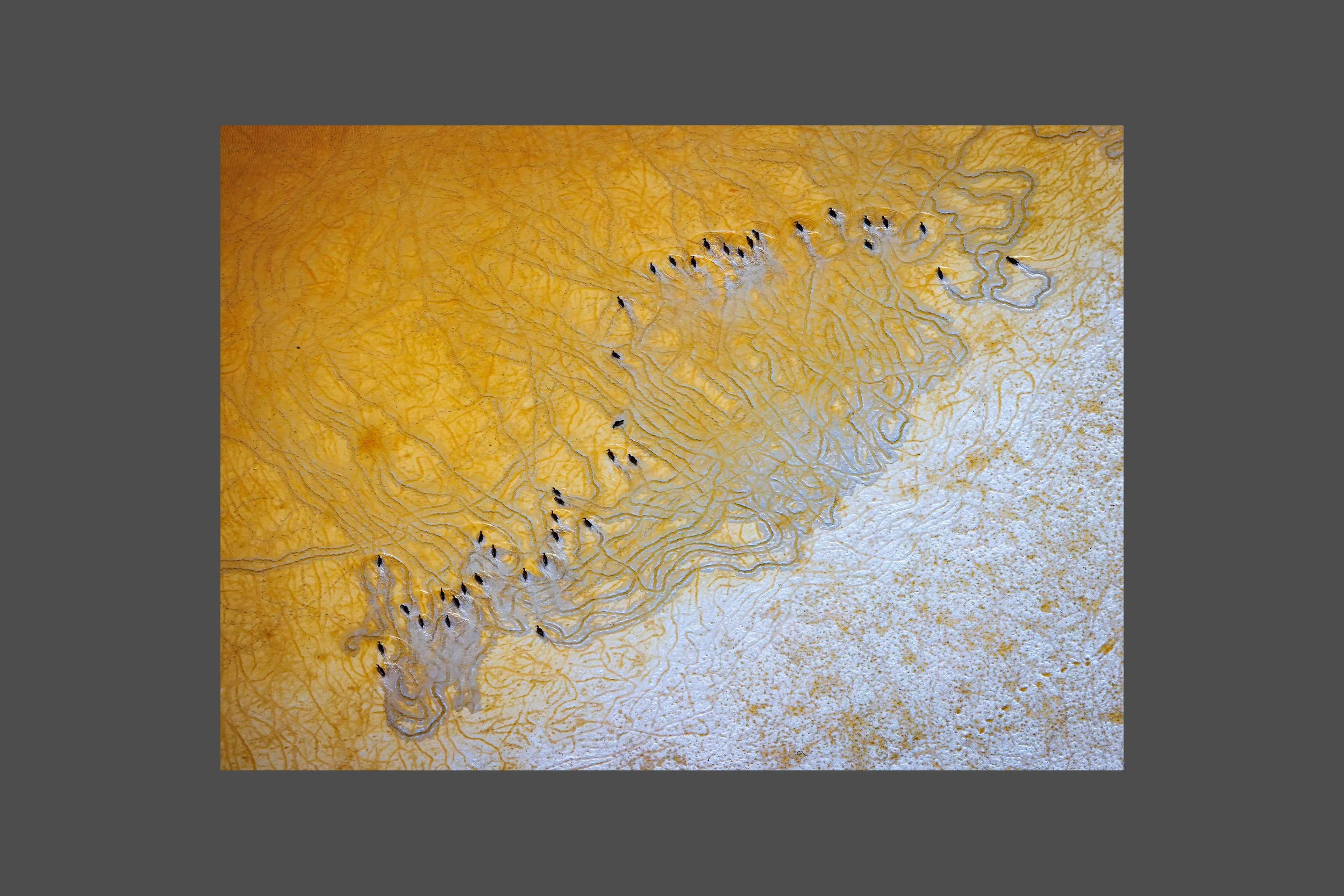
Avian Impressionism
Photographer: Mark Cook
click to view full-screen
1/1000 • f/7.1 • ISO 800 • Canon EOS R5 • 300mm • Canon RF 100-500mm f/4.5-7.1 L IS USM
Blue-winged Teal create ephemeral artwork as they dabble for food in the chai-coloured shallows of Florida Bay, Florida. The image was taken last autumn after the summer rains had sent much needed freshwater flows into the Florida Bay estuary. The odd yellow colour is entirely natural and originates from the mangroves lining the bay; the first flush of freshwater from the Everglades gains this rich whiskey hue as it passes through the swamp and extracts the tannins leached from decaying mangrove leaves. The migrating teal are feeding just downstream of the mangroves dabbling and filtering high densities of algae and other microorganisms from a large drying pond adjacent to the bay. It can be a challenge to produce creative images of the topographically-challenged Everglades so it’s important to find subjects with whom I can collaborate artistically and are willing to interact with their habits in strange and wonderful ways, like these artistic teal. Here my aim was to capture something of the ecology or essence of the ducks while also attempting to fit that into a visually appealing composition that incorporates, to the extent possible, the patterns, textures, and colours of the environment. It’s this combination of animal behavior within a captivating habitat that I believe make for the most compelling images.
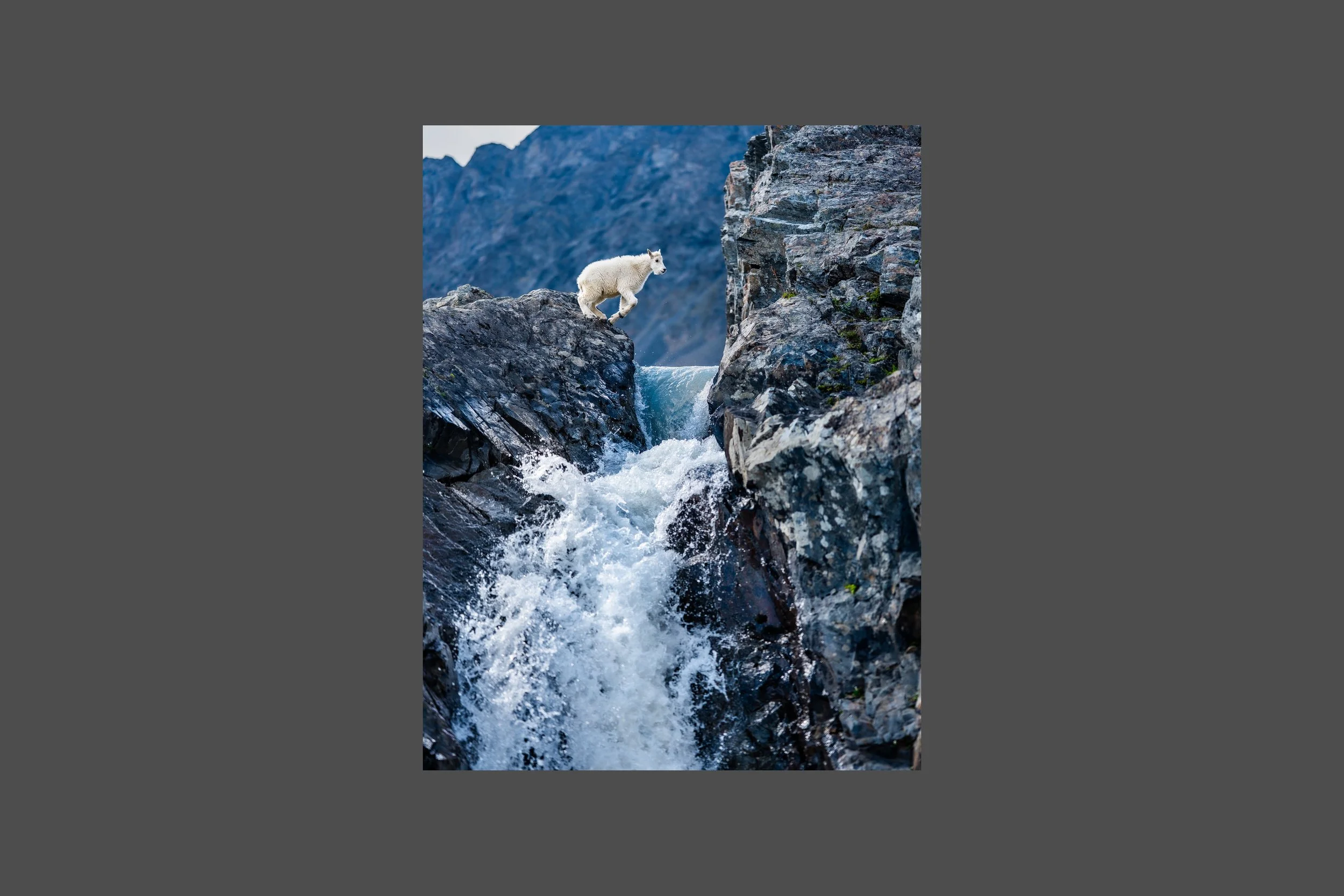
Mountainous Leap
1/2000 • f/1.8 • ISO 125 • Nikon Z6II • 85mm • Nikon Z 85mm f/1.8 S

A young Mountain Goat prepares to jump over a waterfall in the mountains of Alaska. I was hiking with my family in the summertime and came across some Mountain Goats as they traversed the vast landscape. Placing myself at the base of this waterfall, I watched as this Mountain Goat's mother leapt over the waterfall and I captured this image as this young Mountain Goat followed its mother. It was incredible to watch these animals skillfully scale the rocks with ease amidst the expansive habitat they call home.
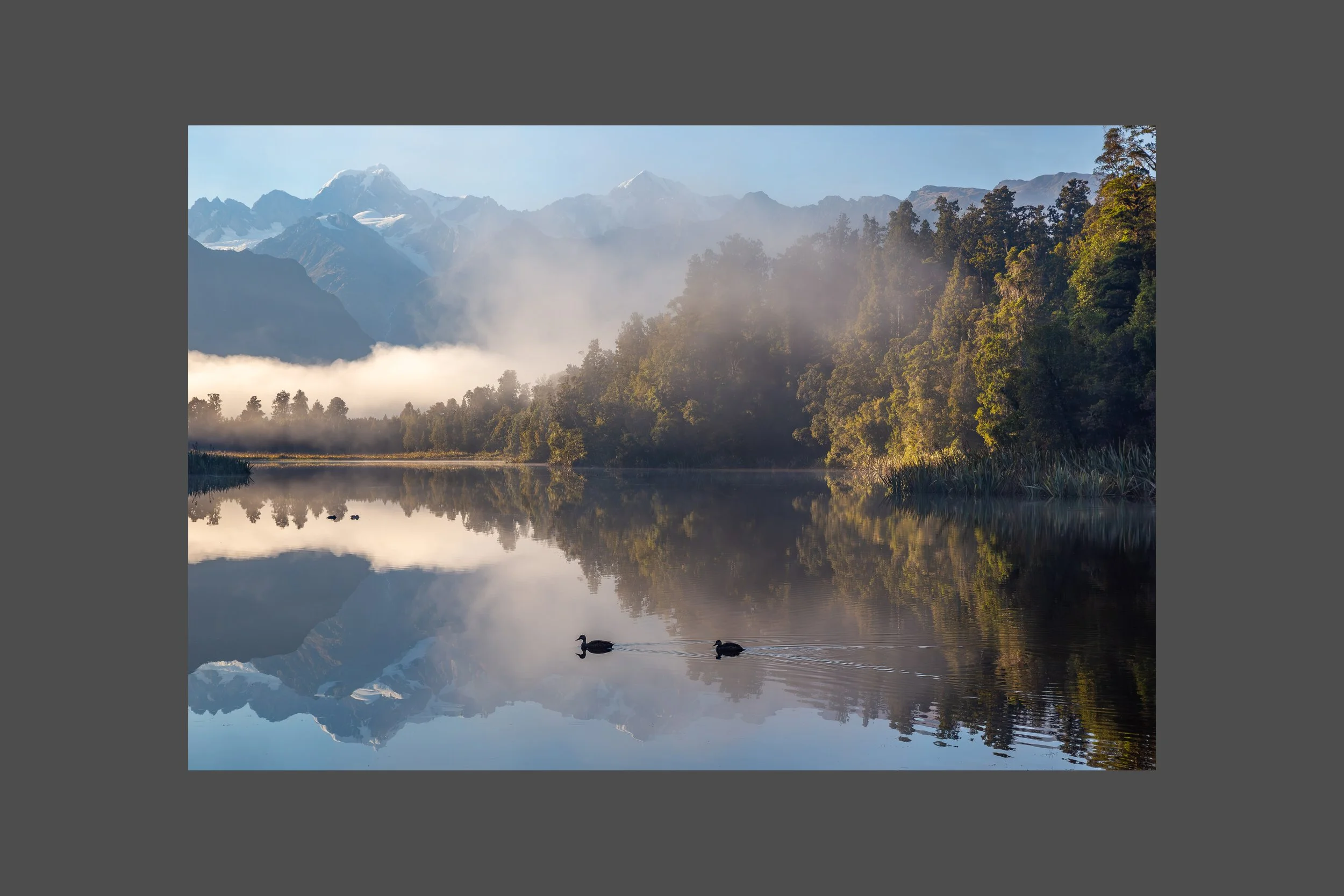
Land of Luxury
Photographer: Rupert Kogler
click to view full-screen
1/2000 • f/18 • ISO 2000 • Canon EOS 5D Mark III • 16mm • Canon EF 16-35mm f/2.8L II USM
One day, during a family evening stroll, I noticed quite a few very beautiful butterflies feeding on the lilies on this particular meadow. I decided to come back the next day without the kids to go for some back-lit wide-angle habitat images of the insects. But unfortunatley this day, I couldn't spot a single butterfly. After some time of waiting, I still couldn't see one of them, but unexpectedly I noticed this red-winged blackbird flying over the area from time to time. So I sat down and went for the kind of image, I actually intended to do with the butterflies, but with the bird instead. My main goal was to show the fantastic habitat of the animal, with the lovely wildlowers, the meadow, some trees, the bright Californian sun and, of course, the stunning walls of rock, as a framing. Although, it took me just a few tries, until I was rather successful, I wanted to stay longer, for some more shots, but at one point, I was unsure, whether I might disturb the bird, so I decided to leave.
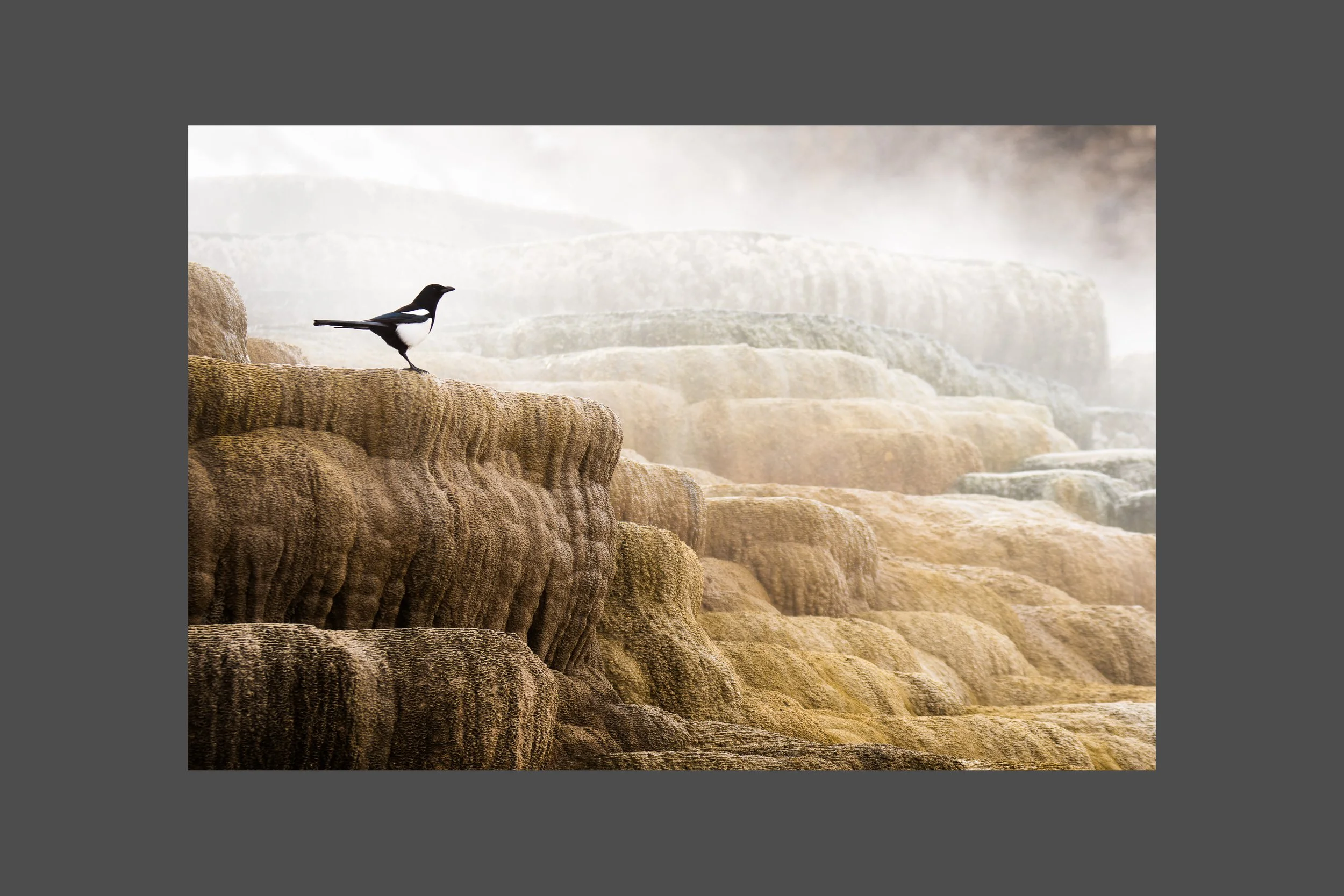
Mammoth Magpie
Photographer: Justin Theurer
click to view full-screen
1/640 • f/6.3 • ISO 180 • Nikon D500 • 250mm • Tamron SP AF 150-600mm
A Black-billed Magpie at the terraces of Mammoth Hot Springs, where warm, mineral-rich waters create pockets of life even in harsh conditions. These thermal pools support aquatic invertebrates year-round, offering an opportunistic food source for birds willing to pay attention. In Yellowstone, survival often belongs to those that notice the details, and adapt quickly to what the landscape provides.
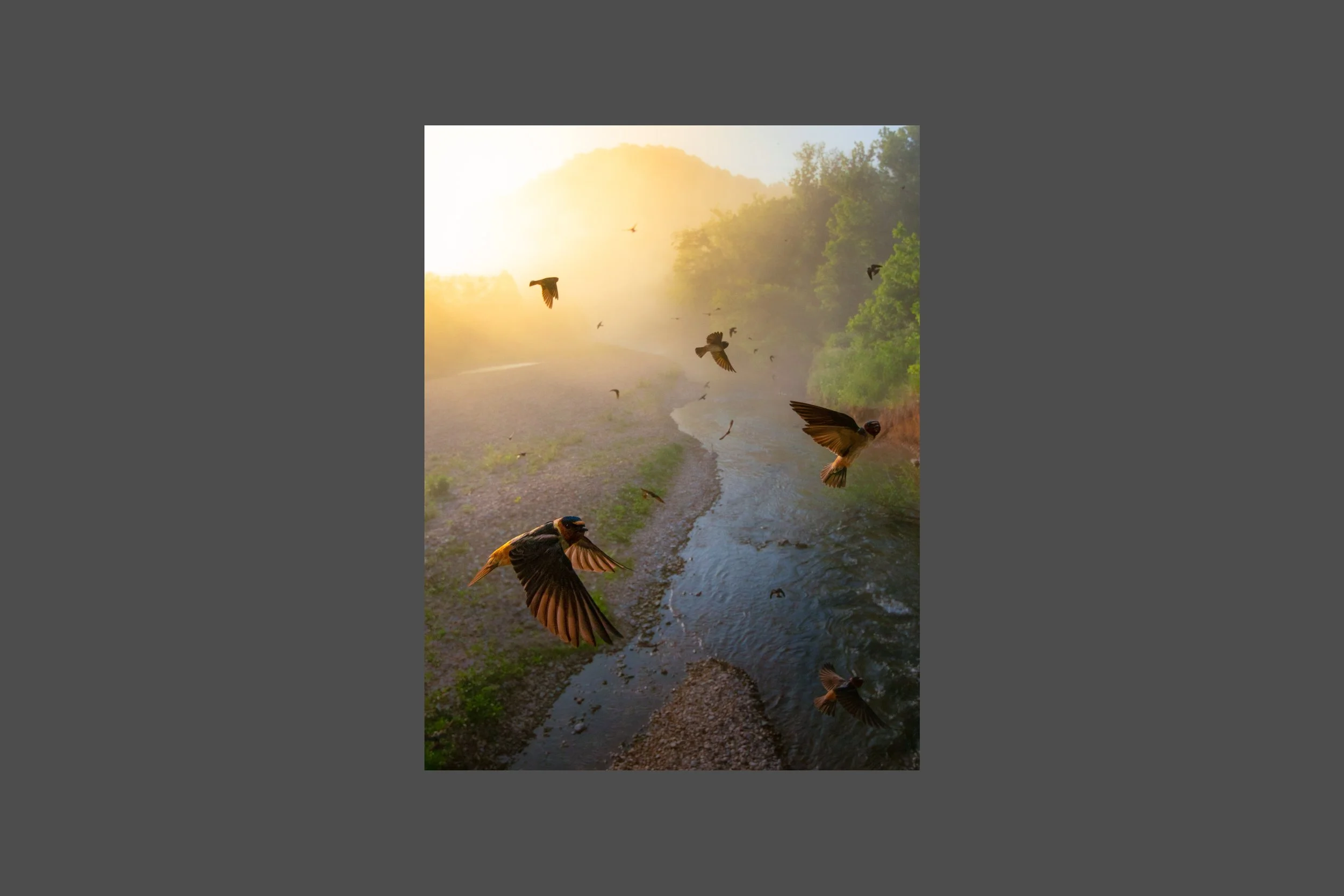
Flying with Swallows
1/8000 • f/5 • ISO 1250 • Canon 7D Mark II • 20mm • Tokina 11-20mm f/2.8

A small colony of Cliff Swallows flocks and nests over a small river in Rural Tennessee. Boasting one of the furthest migrations in the animal kingdom, these special little birds spend but a few short months breeding here before making the long trek to South America.
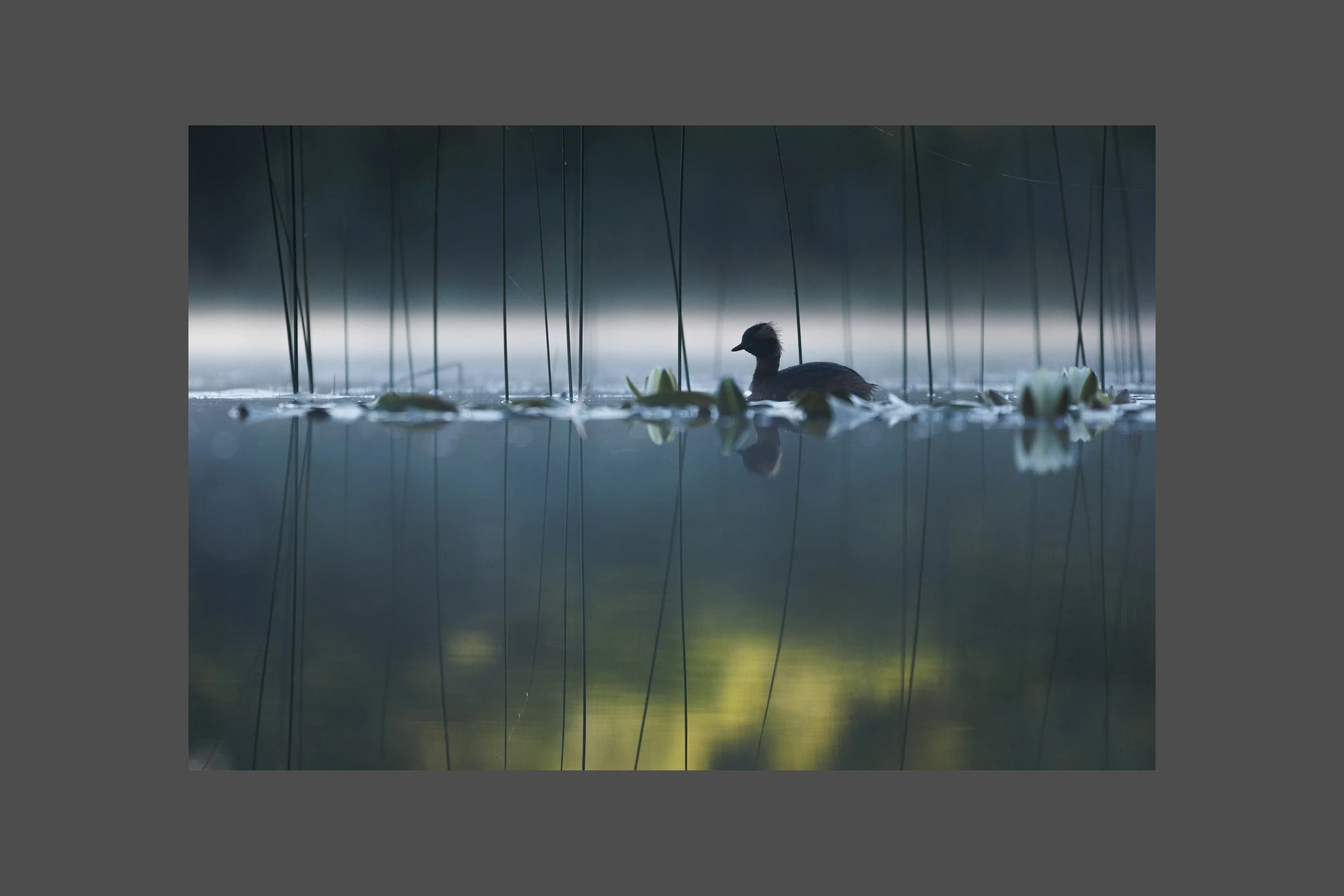
Still Dawn
Photographer: Tobias Gjerde
click to view full-screen
1/2500 • f/2.8 • ISO 400 • Canon R5 • 200mm • Canon EF 70-200mm f/2.8 L IS II USM
The calm summer dawn awakens, as the sun crests above the trees and makes the morning mist glow. A ripple in the water disturbs the stillness, as a horned grebe carefully glides out into the open. In the reeds, it stops to have a look around. With a gentle splash, it dives and disappears. Where it resurfaced, I will never know.
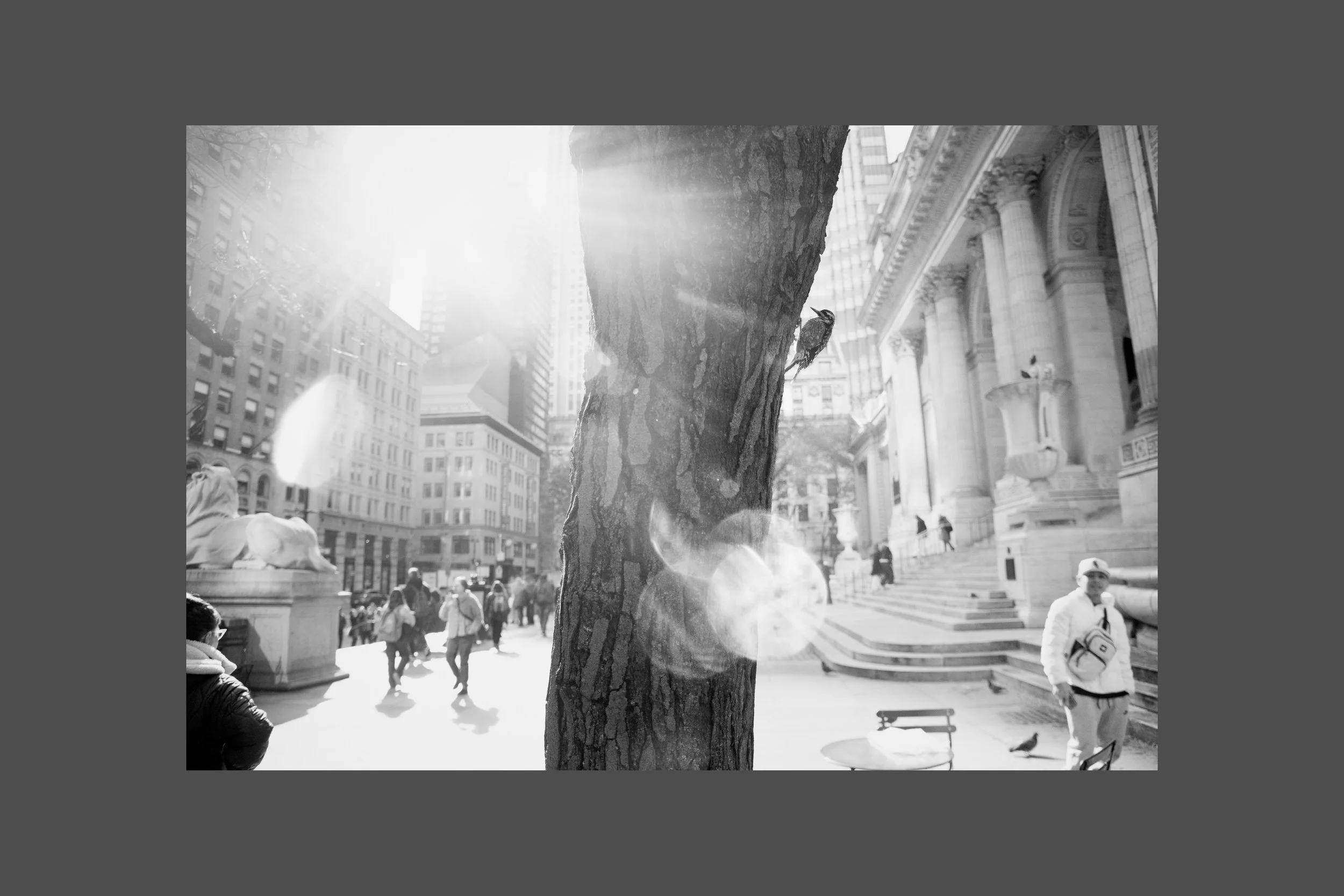
City Sapsucker
Photographer: Ryan Mclaughlin
click to view full-screen
1/2000 • f/4 • ISO 64 • Nikon D850 • 24mm • Nikon 24-120mm f/4
After stepping off the train in Manhattan, this Yellow-Bellied Sapsucker was the very first bird I noticed. I have seen Sapsuckers in urban environments before, but never so low just a few feet away from bustling pedestrians. This bird was a treat to watch and photograph, and I had fun trying varying focal lengths and compositions as it pecked away for insect lunch.
There were practically no foreground elements to work with, so I put on a polarizer filter and tried to lean into the sun flares for added depth in the short window that the sun peaked through the buildings. In post, converted to black and white which felt culturally appropriate for this scene outside of the iconic New York Public Library steps. Fun scene to shoot.
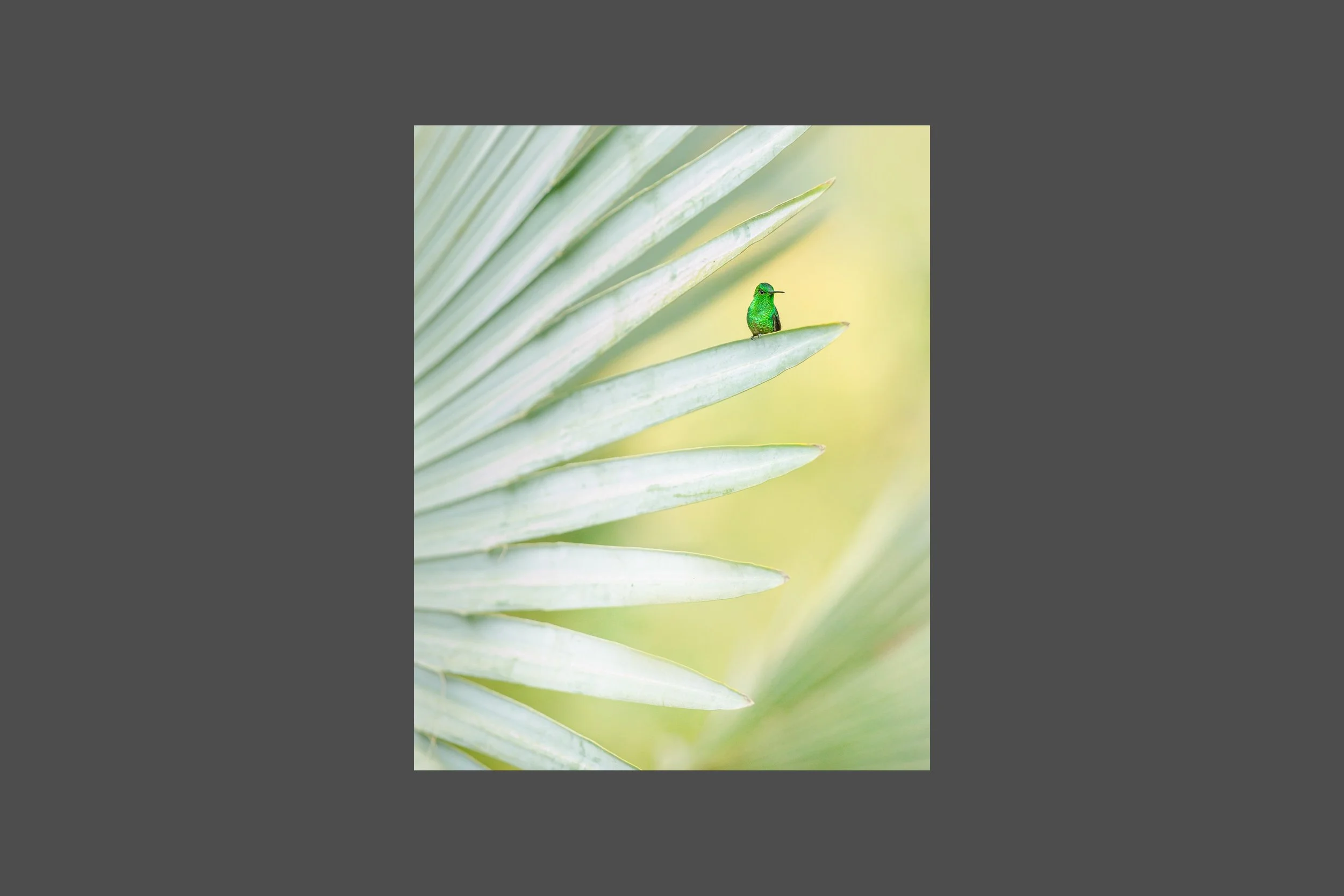
Calma
1/1000 • f/3.2 • ISO 5,000 • Canon R3 • 300mm • Canon EF 300mm f/2.8 II
While I love the challenge of photographing hummingbirds in flight, it can also be fun to catch them at rest. At my favorite lodge in Colombia, there is a large palm where many species of
hummingbirds often come to rest. The possibilities for composition are endless and I always make it a point to spend time to photographing the palm and various hummingbirds that spend time there. Each time I go, I get something totally different. In this image, I love how the large palm fronds highlight the diminutive scale of the bird. The yellow in the background is the result of the foliage behind the palm being lit up from the morning sunlight and helps isolate all of the greens of both the palm and the shimmering Steely-vented Hummingbird.
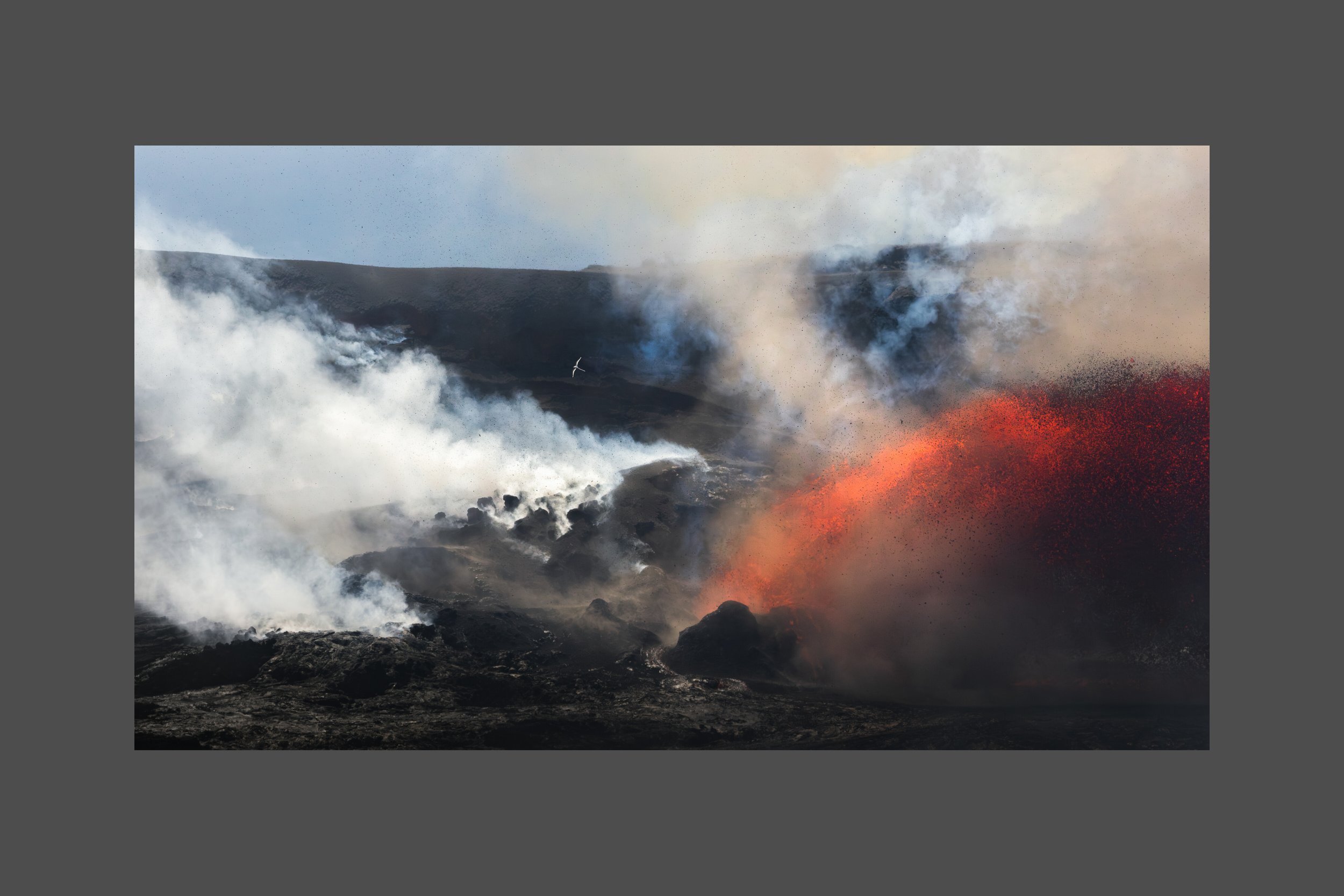
Fire and Flight
Photographer: Liron Gertsman
click to view full-screen
1/2500 • f/16 • ISO 2500 • Canon R5 • 254mm • Canon RF 100-500mm f/4.5-7.1 L IS USM
In August 2025, I visited Kilauea Volcano on the island of Hawai’i, with the goal of photographing birds against the backdrop of an erupting volcano. Timing a volcanic eruption is never easy. After 10 days of scouting and waiting, the volcano finally came alive on my birthday- August 22nd. In the background of this image, multiple volcanic phenomena are visible: the white plumes on the left are mostly water vapor and carbon dioxide, the blue gases at the top right are sulfur dioxide, and the brown clouds are volcanic ash. Most striking of all, the glowing lava fountain can be seen. The White-tailed Tropicbirds nest in cracks along the crater walls, perfectly protected from predators. They use the thermals generated by the volcano’s heat to gain lift as they fly to and from the ocean to gather food, returning safely to their nests in this extreme yet beautiful environment.
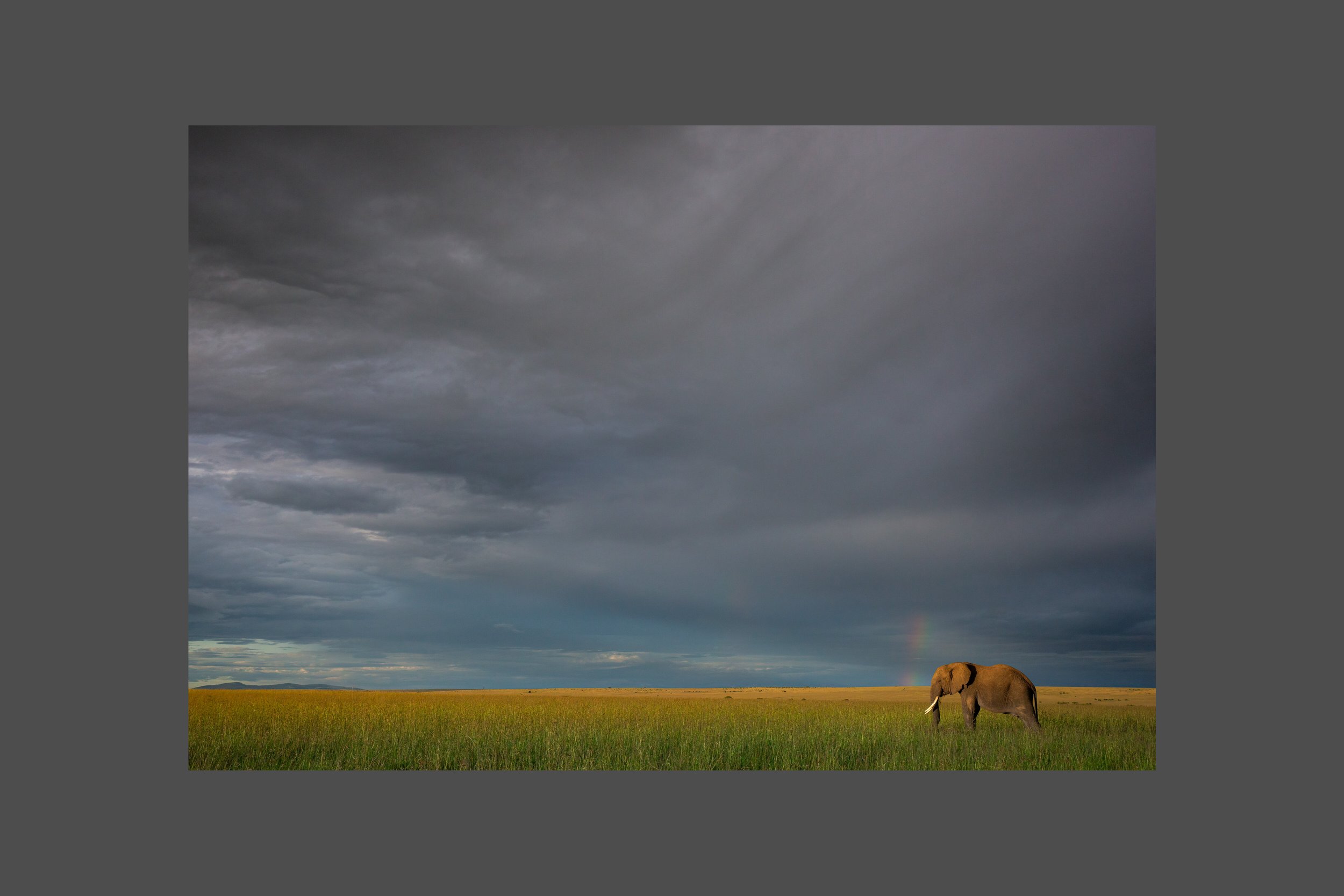
Solitary
Photographer: Hiresha Senanayake
click to view full-screen
1/3,200 • f/5.6 • ISO 800 • Canon 1D X Mark II • 35mm • Canon EF 16-35mm f/4 L IS USM
A lone elephant moves through the vast African savanna, dwarfed by the land and the dramatic sky above. I intentionally chose a 16–35mm lens to emphasize the scale of the landscape, allowing the openness of the savanna to dominate the frame and place the elephant within its immense world. The image speaks to solitude and resilience, how even the largest land animal becomes part of something far greater. It is a reminder of the space these animals need, and how fragile and irreplaceable these wild places truly are.
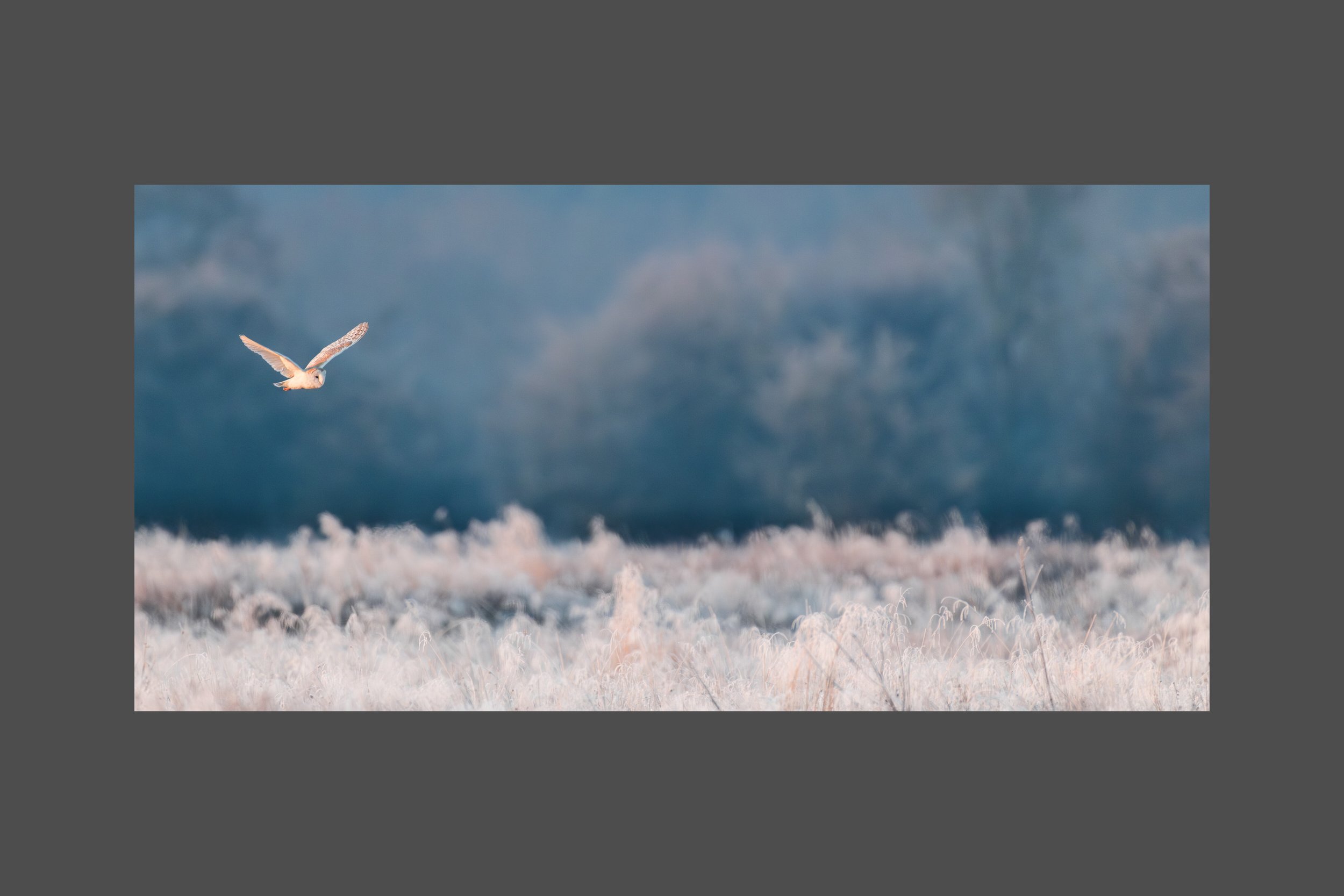
Misty Morning Fly By
Photographer: Vince Maidens
click to view full-screen
1/800 • f/5.6 • ISO 3,200 • Canon R5 Mk II • 860mm • Canon RF 600mm f/4
A rare ice mist morning, a couple of times a year this occurs and the birds hopefully launch, if they do there is no stopping getting out there to try and capture them flying the fields.
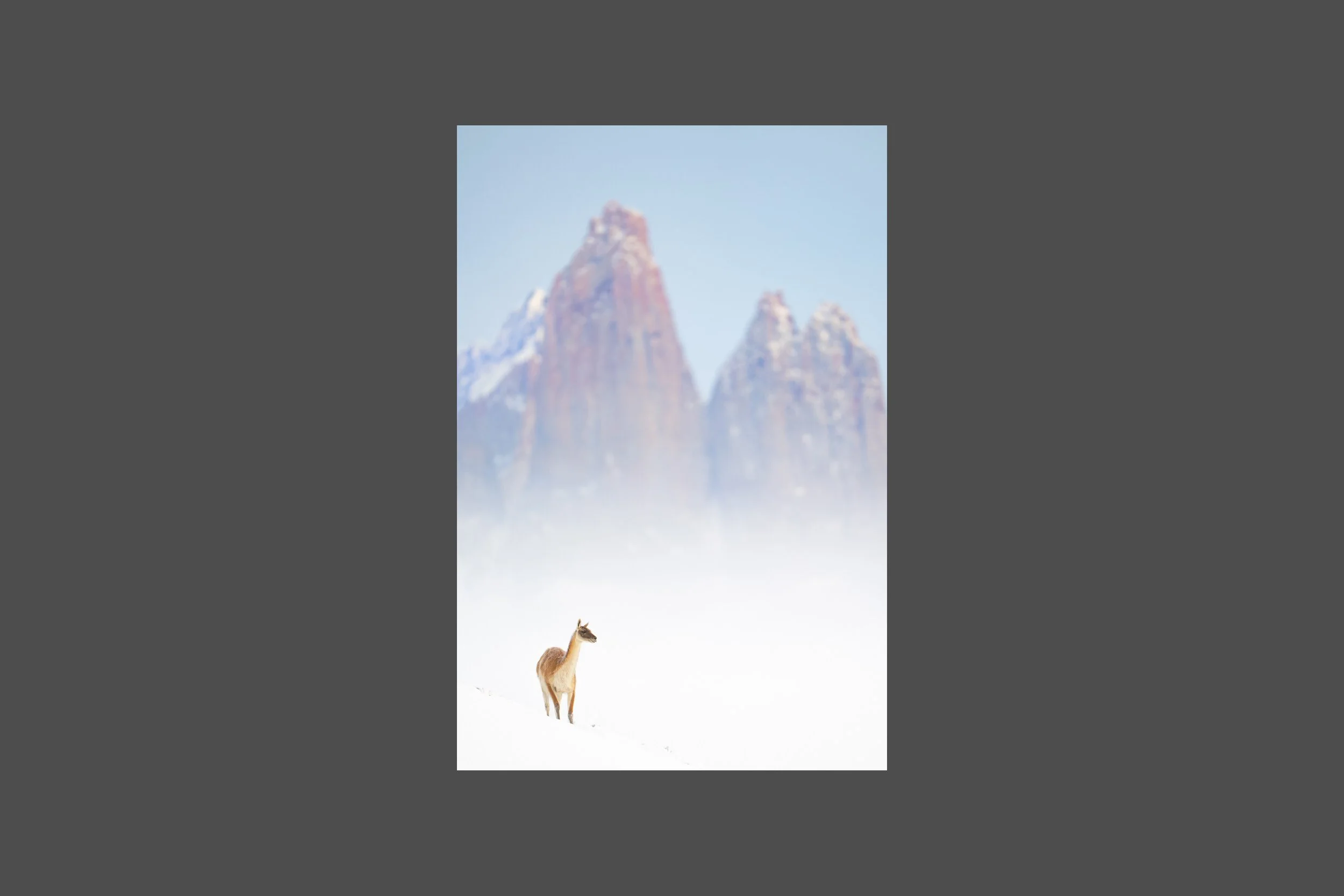
Under The Towers
1/640 • f/2.8 • ISO 100 • Sony Z7Rv • 400mm • Sony FE 400mm f/2.8 GM OSS
A lone guanaco under the iconic towers of Torres Del Paine, Chile. We had spent the morning in thick fog looking for pumas but had no luck, in an effort to get some sunshine we decided to drive up above the fog layer to get a view of the mountain. Just as we were about to get back into the car to continue our search for cats, we saw the head of a guanaco appearing from out behind a snowy hill. I rushed to get in a position where I could line up the subject and background. With the thick snow covering the entire foreground and the fog that had caused us so much trouble in the morning creating the perfect white background, it made for the perfect conditions to capture this image!
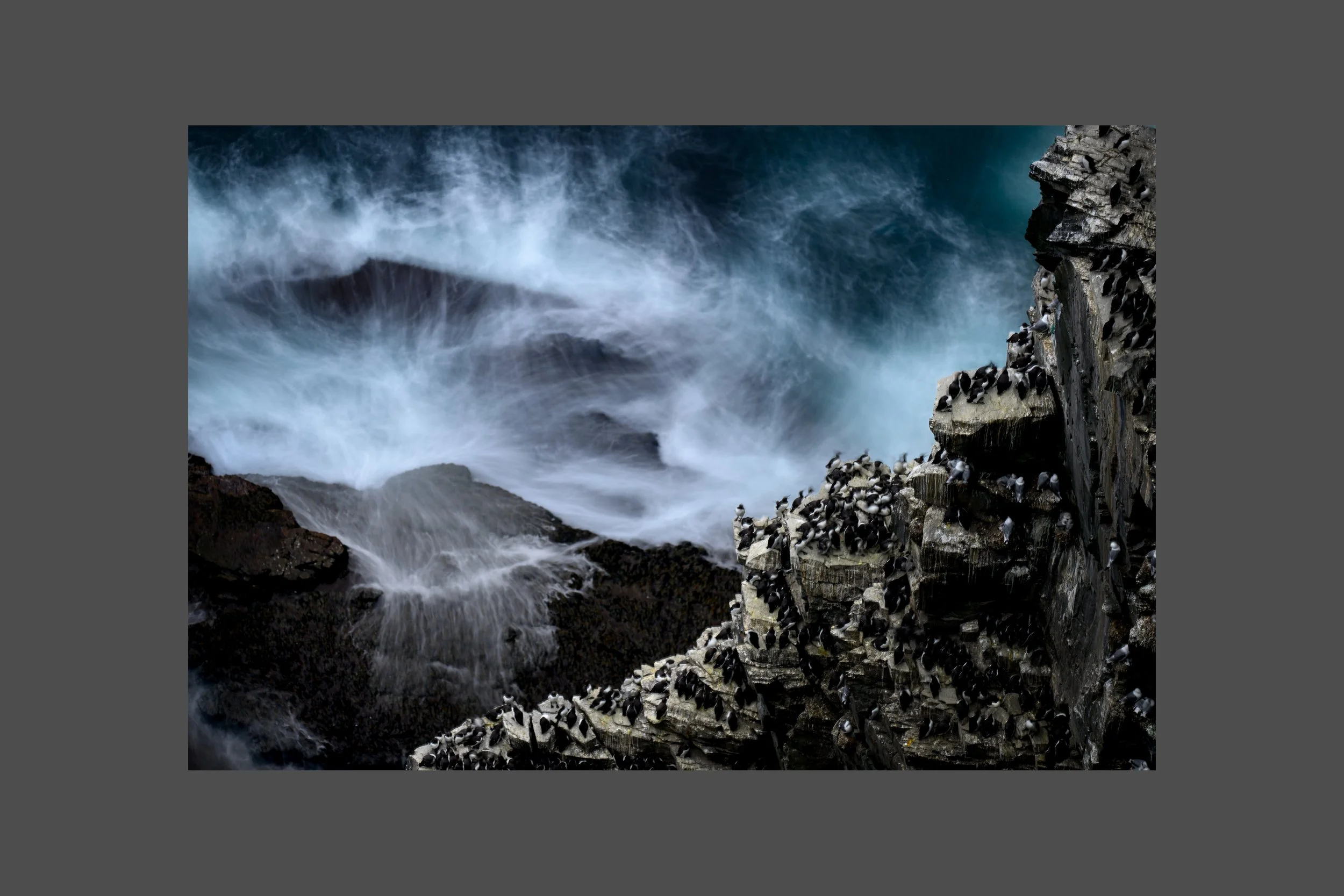
Movement
Photographer: Ray Hennessy
click to view full-screen
5 Seconds • f/4.8 • ISO 64 • Nikon Z9 • 180mm • Nikon Z 100-400mm f/4.5-5.6
For years now during my Newfoundland seabirds workshop I've always taken a similar photo like this. In the past however I've always just shoved my camera into a rock crack and done my best to hold it still while I took a long exposure with the aperture cranked up to F-who-knows-what to get the longer exposure. This year however I came prepared. I brought out a tripod and a variable ND filter and I was able to take this version with a 5 second long exposure, at least double what I've done in the past. I was also able to shoot at a normal aperture that wasn't ruining the sharpness of the photo. So here I present the an image that is exactly what I've been after for years but only finally captured properly. I love what the waves do on the rocks below and how still many of these Common Murre stay during a 5 second exposure!
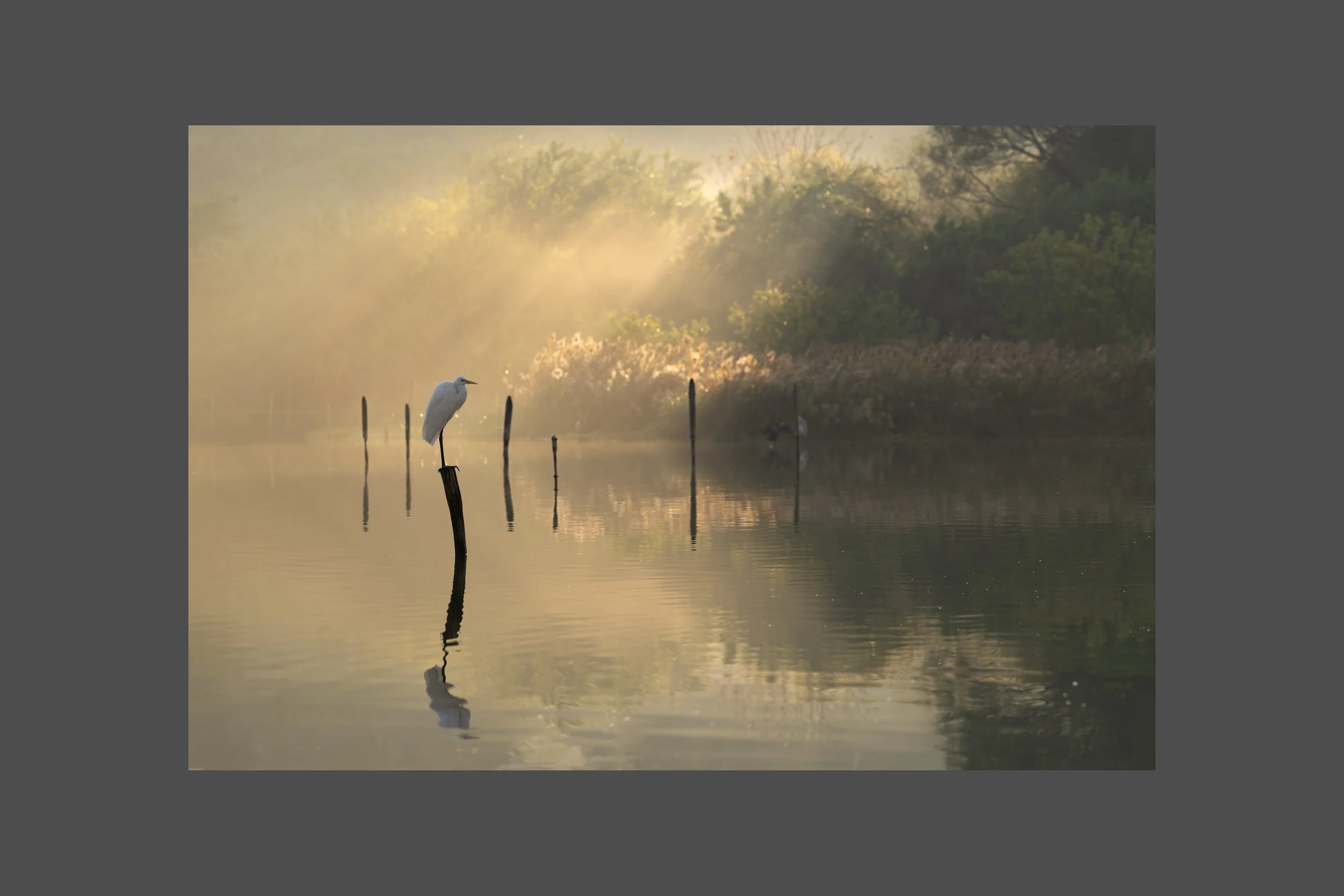
Morning Mist
Photographer: Dana Brooks
click to view full-screen
1/1000 • f/5.6 • ISO 250 • Canon R5 Mark II • 140mm • Canon 100mm-300mm f/2.8
Early morning on still water.
A Great Egret stands still as soft light breaks through the fog.
A quiet moment, shaped by light, stillness, and space.