Immerse in the wild welcomes you to a full-screen, high quality wildlife photography viewing experience. You are invited to click on any photo to view additional information including the photographer’s name, camera settings, photo title, and a brief description.
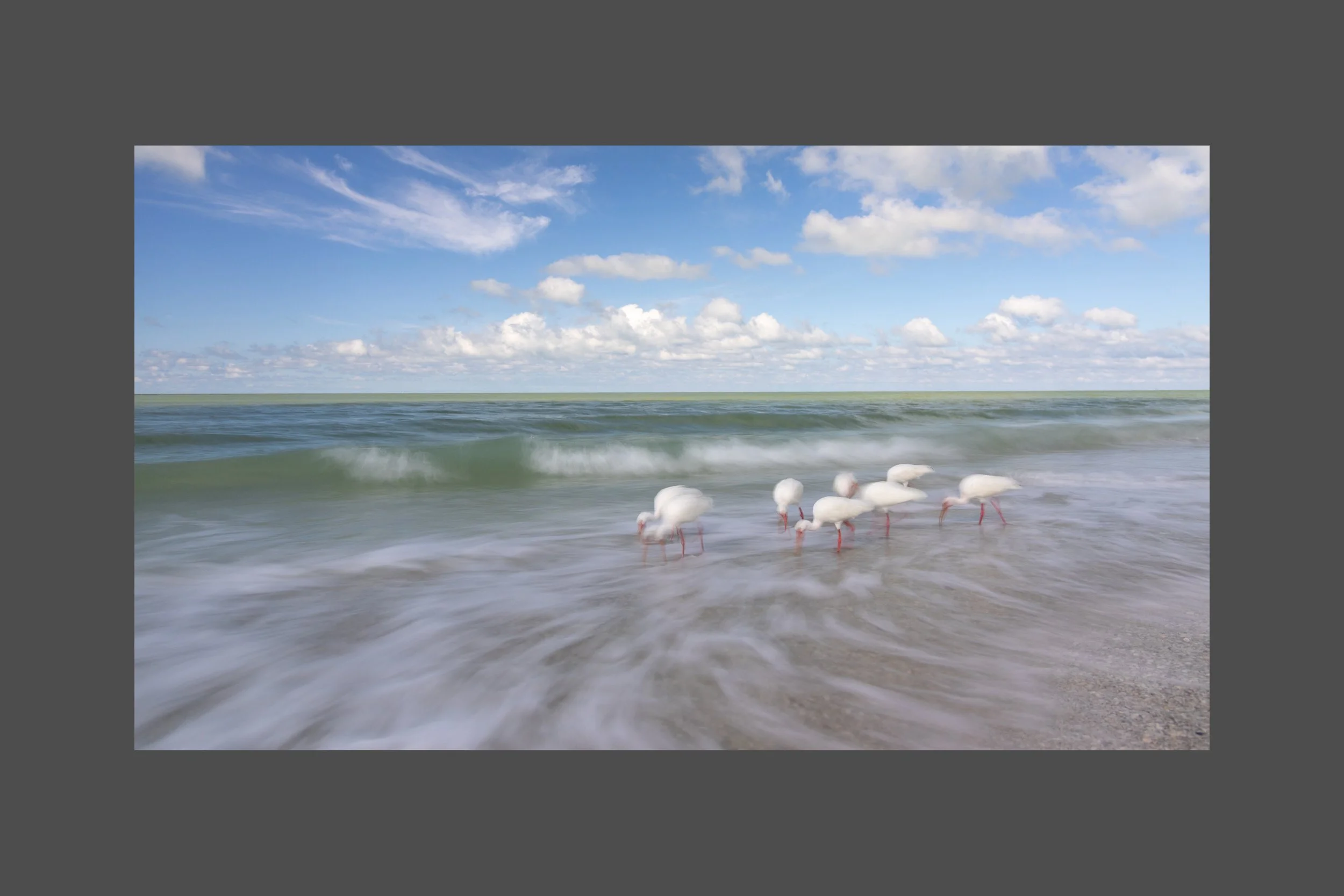
White Ibis
Photographer: John Alessi
click to view full-screen
1/2 • f/4 • ISO 100 • Canon EOS R5 MK II • 24mm • Canon RF 24-105mm f/4 L IS USM

On a quick trip to Florida during the winter of 2025 I had some time to experiment with slow shutter and wide focal lengths on a group of White Ibis making their way down the beach one morning. The birds did not care much about my presence giving me the opportunity to move in close.
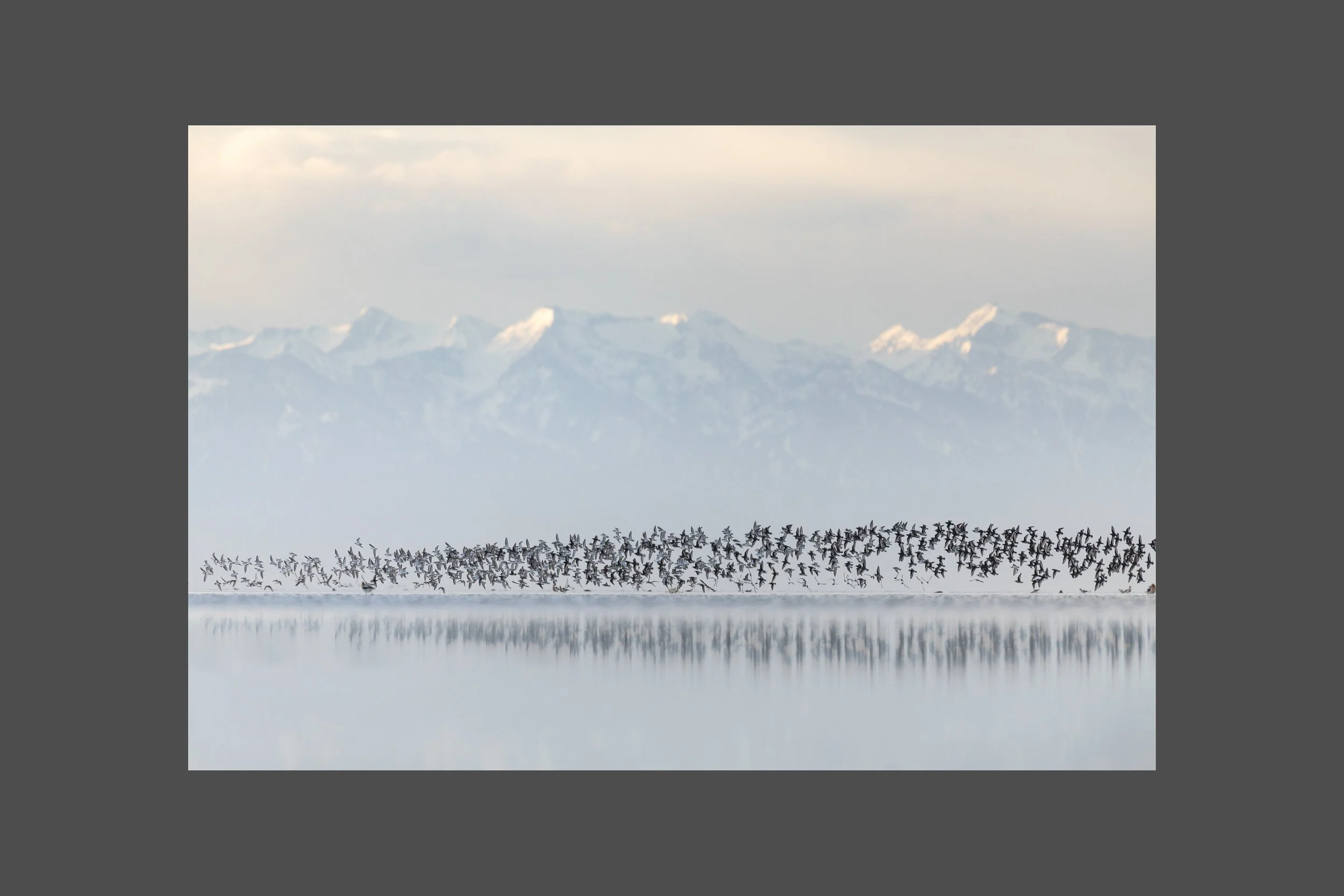
Phalarope Murmuration
Photographer: Mary Anne Karren
click to view full-screen
1/2000 • f/4 • ISO 640 • Canon EOS R3 • 420mm • Canon RF 100-300mm f/2.8 + 1.4x TC

Red-necked phalaropes and other shorebirds murmurate at Great Salt Lake with the Wasatch Mountains in the background during spring migration.
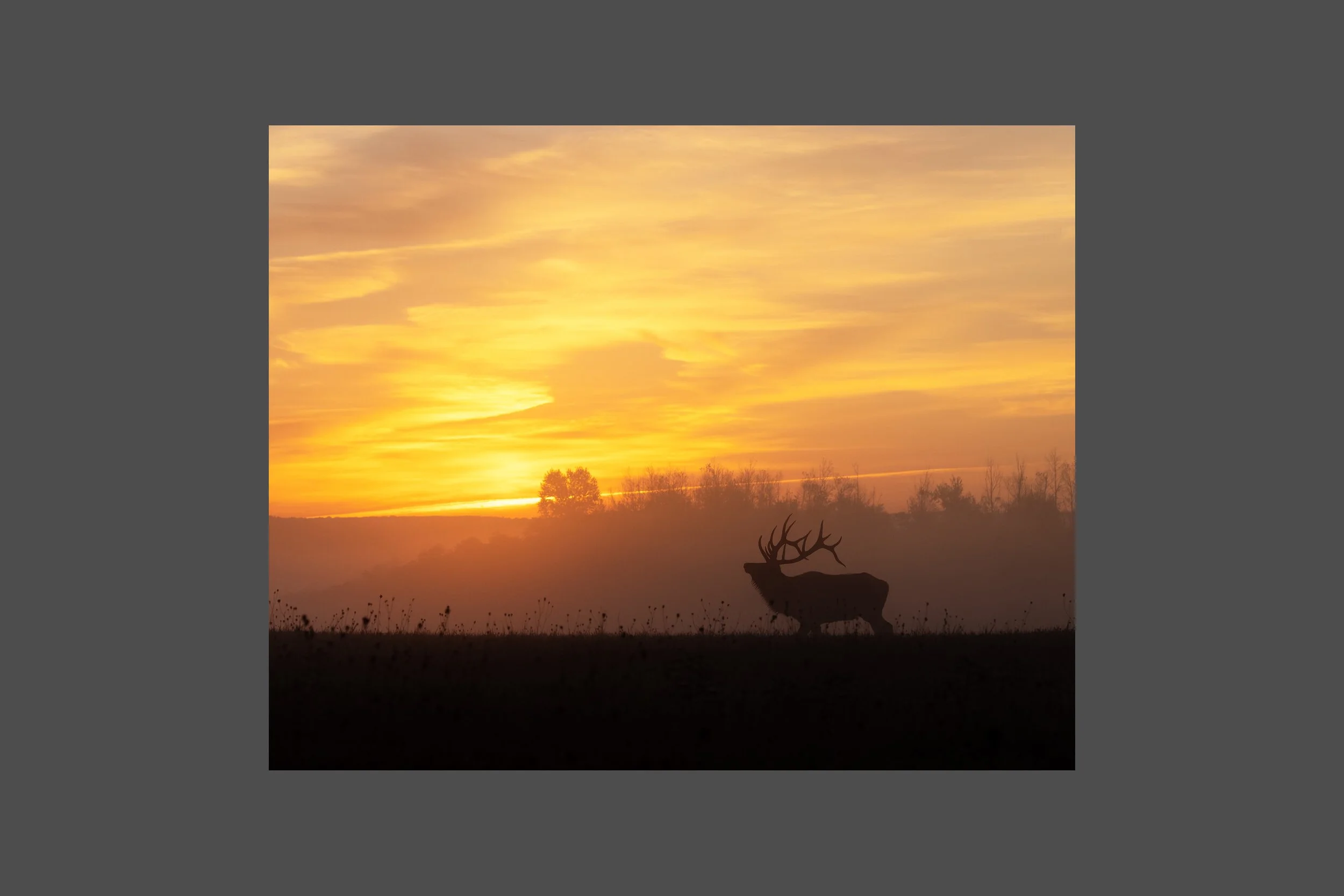
Sunrise Elk
Photographer: Traci Sepkovic
click to view full-screen
1/3200 • f/5.6 • ISO 1250 • Canon R5 • 135mm • Canon 100-500mm f/4.5-7.1 L


I started photographing Pennsylvania's elk herd in 2017. I always wanted a beautiful sunrise or sunset silhouette but hadn't yet managed to capture the scene I envisioned. This past October, I got my wish when the sun burned through the fog and revealed a beautiful sky. I had two bodies with me that morning. One was set up with my 500mm lens and the other with my 100-500mm lens. I knew I wanted to include as much of the scene as possible so I grabbed the body setup with the 100-500mm lens and followed the elk as it walked by with its head held high in a confident pose. For me, it was worth the 8 year wait.
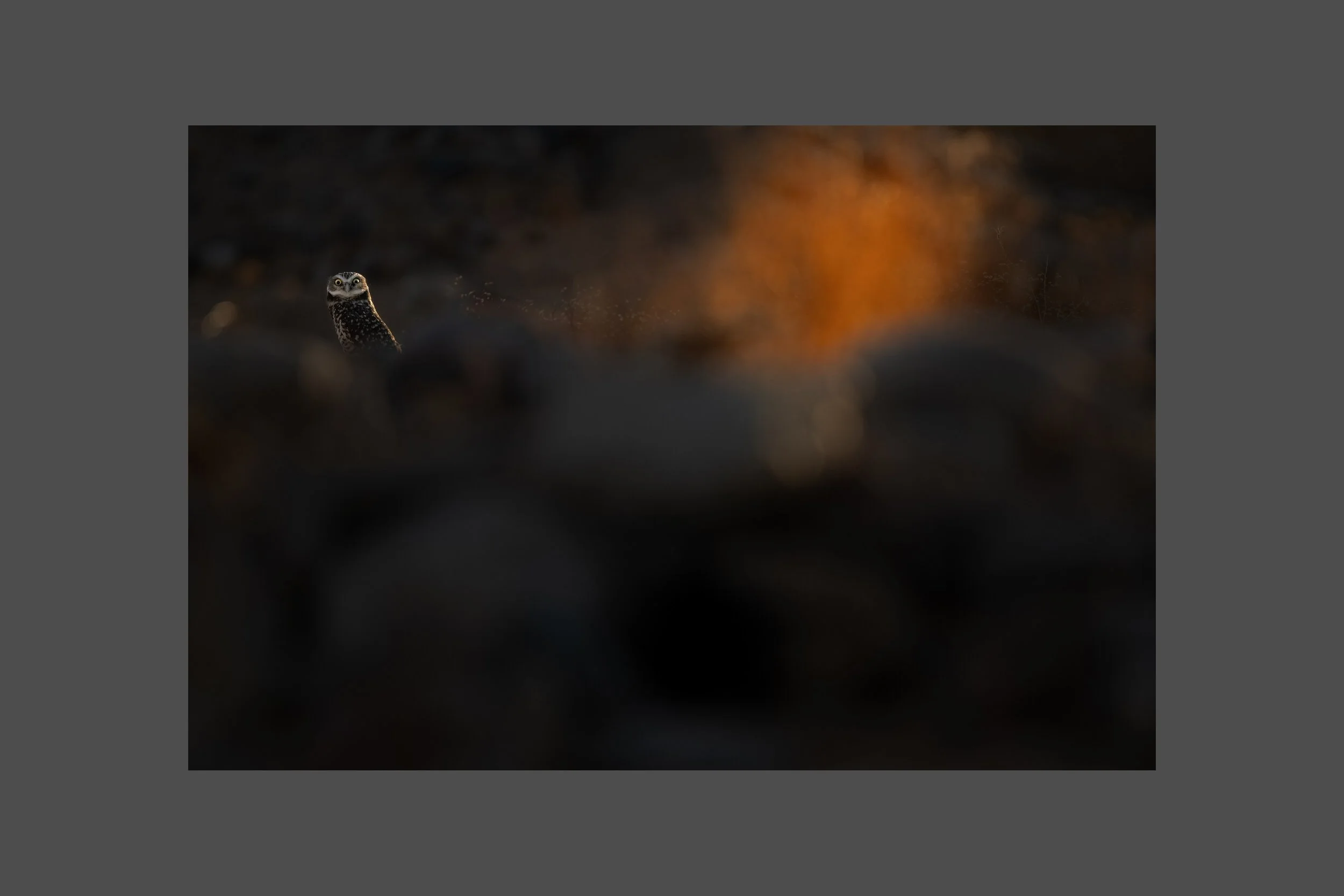
Peek-a-boo
Photographer: Jamin Taylor
click to view full-screen
1/1250 • f/6.3 • ISO 800 • Nikon Z9 • 600mm • Nikon Z 180-600mm f/5.6-6.3 VR
A cute little Burrowing Owl peaks up at me from the safety of it's burrow.
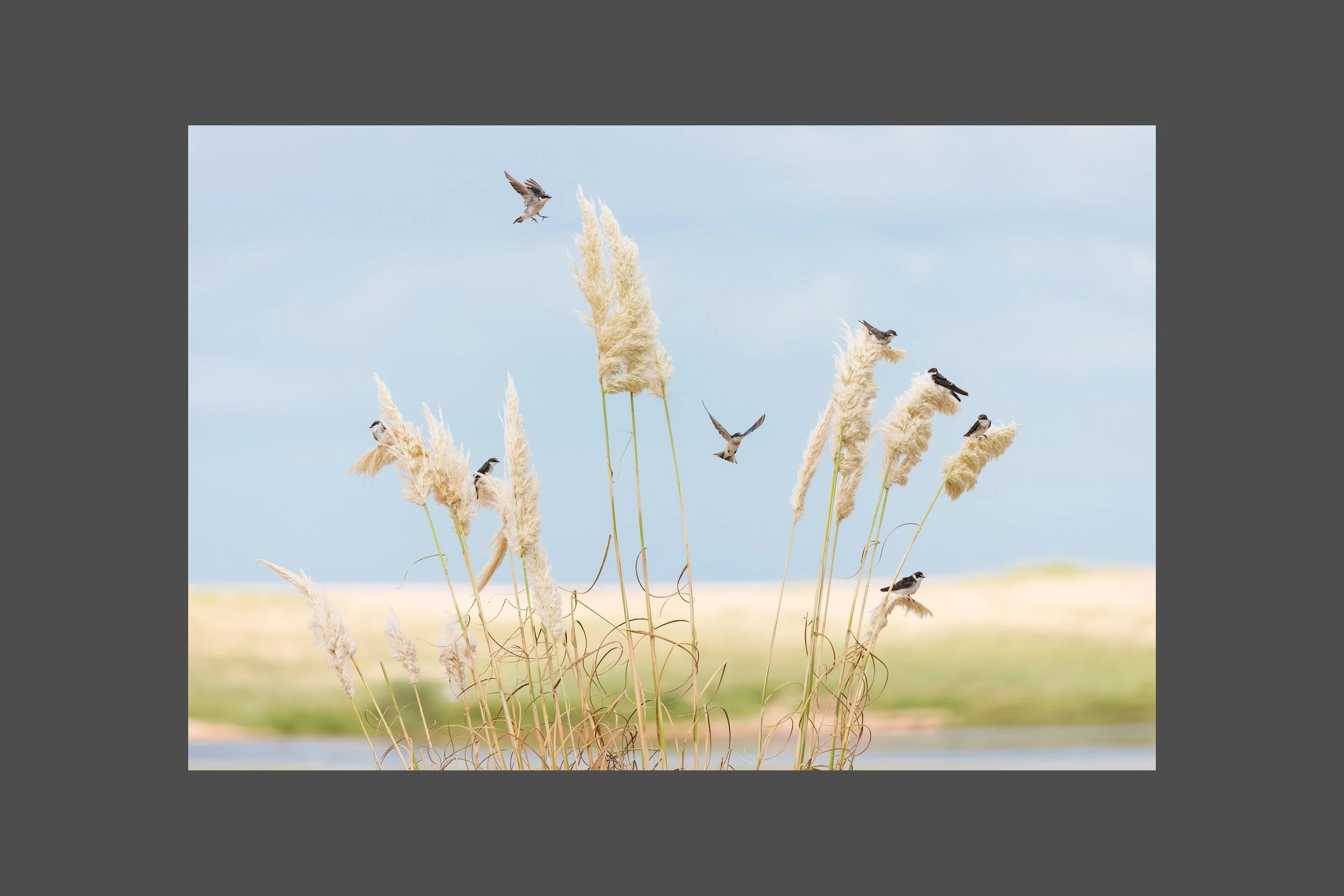
Swallows
Photographer: Federico Rubio
click to view full-screen
1/3200 • f/6.3 • ISO 1000 • Canon R5 • 400mm • Canon RF 100-500mm f/4.5-7.1
White-rumped Swallows, Laguna Garzón (Uruguay), 2024
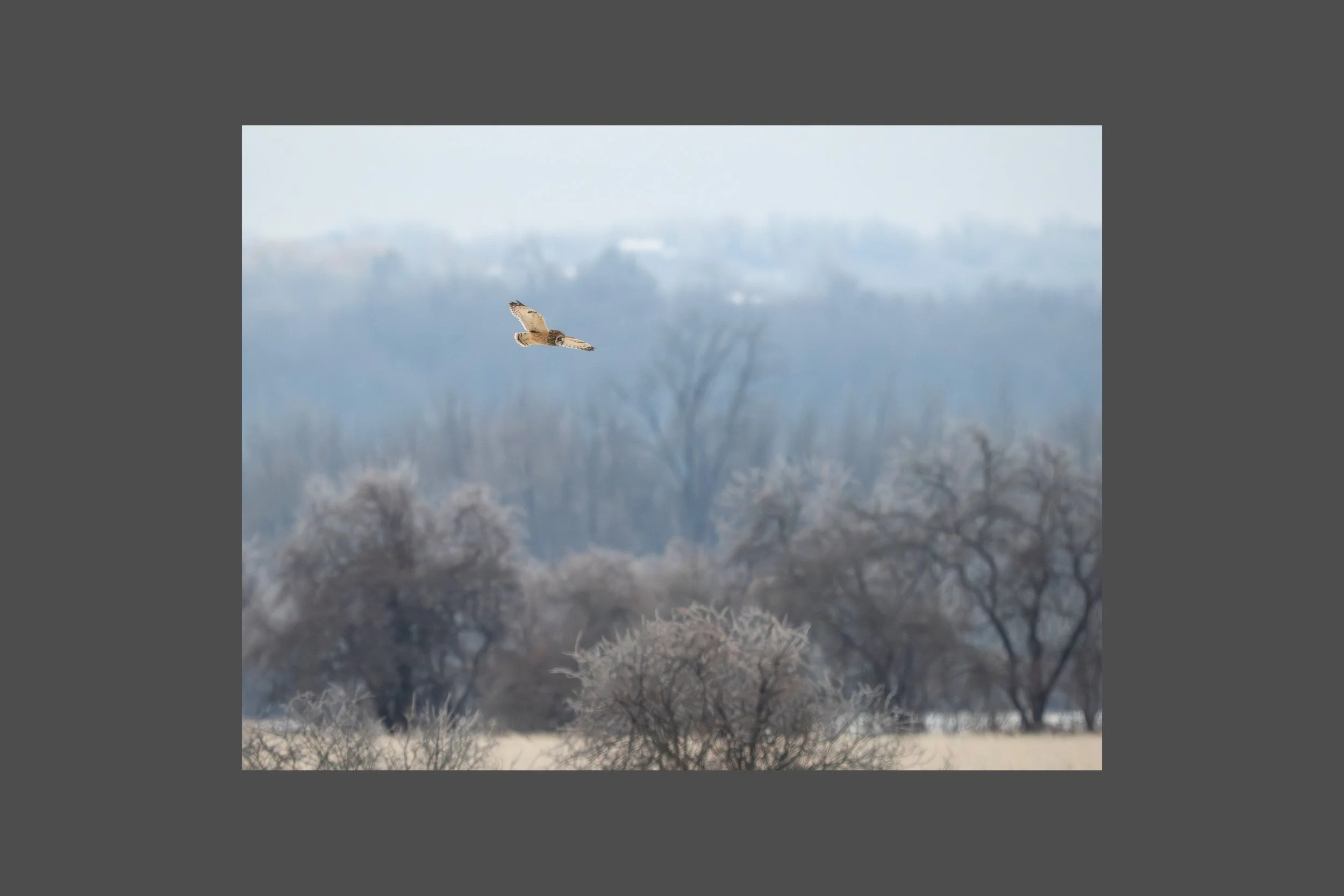
Wintertime and Short-eared Owl
Photographer: Liz Peterson
click to view full-screen
1/1600 • f/6.3 • ISO 6400 • OM System OM-1 • 500mm • OM System M. Zuiko 150-400 mm TC
Short-eared Owls are winter visitors in western New York where they hunt over harvested farm fields and survey from bare trees. On this crisp, icy December afternoon, owls and Northern Harriers started scouring the landscape well before sunset and scenes of solitary survival skills were on view all around.
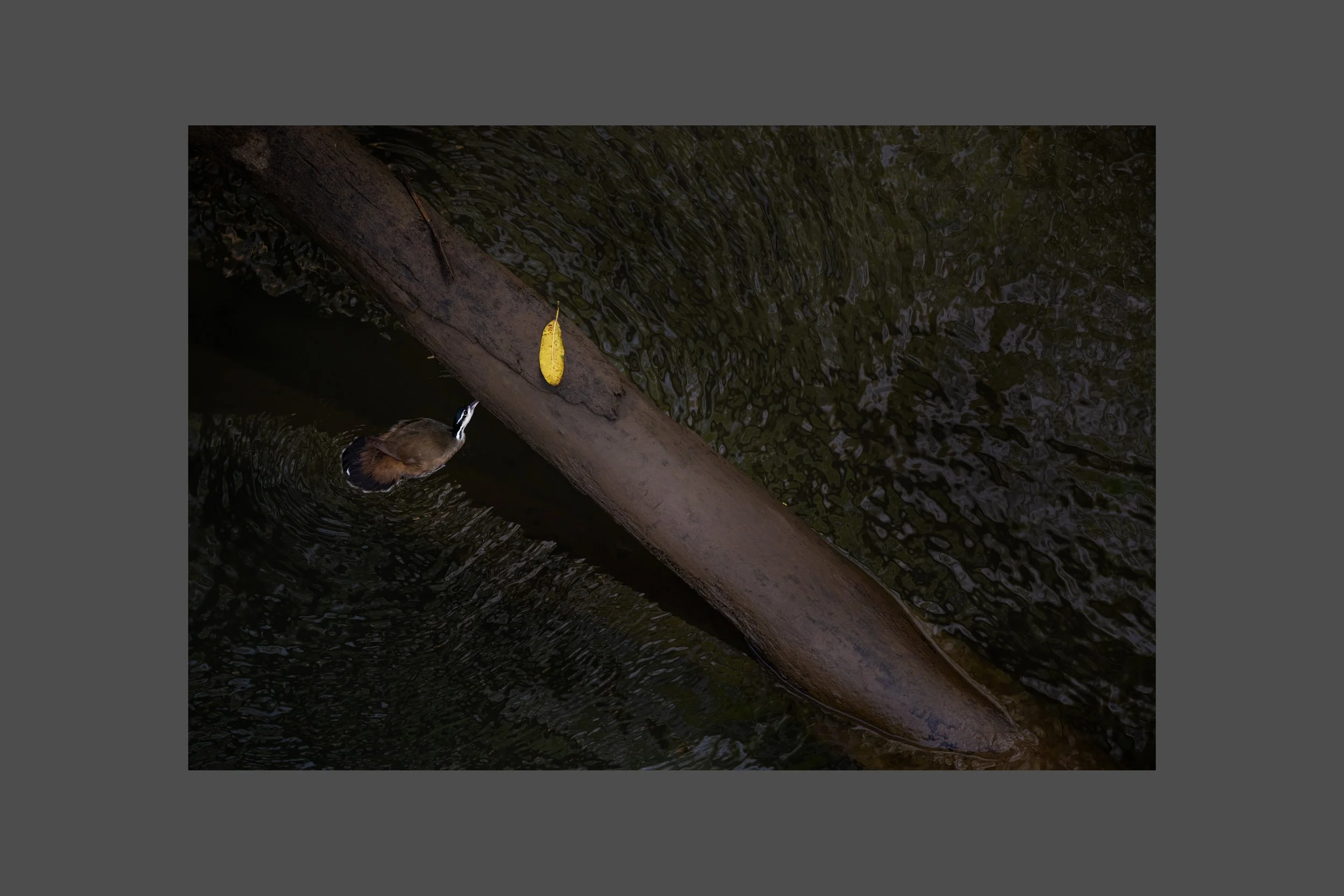
Gleaning Sungrebe
Photographer: Sonder Selvig
click to view full-screen
1/500 • f/2.8 • ISO 1600 • Nikon Z9 • 400mm • Nikon Z 400mm f/2.8 TC VR S
Photographed here is an elusive and unique bird, the Sungrebe, a species of finfoot native to the tropical Americas. I was fortunate to be standing on a rope bridge over a small river in Costa Rica one evening when I saw this bird swimming upstream from several hundred feet away. The rope bridge allowed me to be over any section of the river enabling me to get as close to a top-down photo as possible. I was quite high above the river meaning the bird was smaller in frame - a look I tend to like. Luckily the bird decided to stop at a partially submerged log to glean for food. I shot off a couple quick bursts and fortunately a couple had a decent head angle. One of my favorite elements of the photo is the dead leaf that had fallen from the canopy and landed nicely along the log. It adds a pop of a color to an otherwise dark and muted scene.
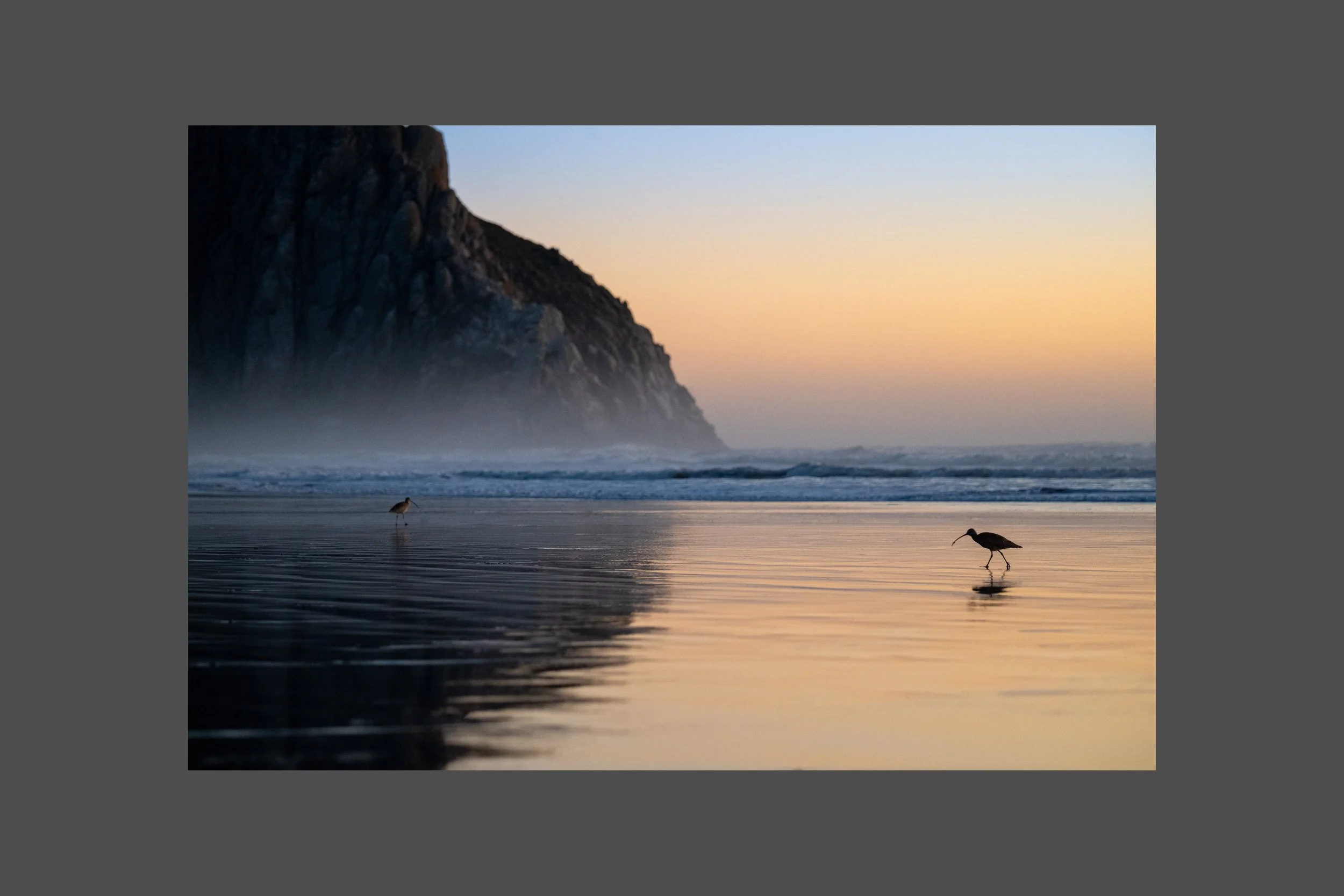
Yin and Yang
Photographer: Michelle Mackenzie
click to view full-screen
1/6 • f/18 • ISO 32 • Nikon Z8 • 220mm • Nikon Z 100-400mm f/4.5-5.6
It was an overcast day along the Vancouver Island coast. We were looked for surfers - not wildlife - but I took my camera anyway. A group of gulls were also surfing that afternoon. One perched on a rock in the middle of the rollicking brown waves. Slowing my shutter speed, I focused on the gull and zoomed out to capture the beautiful BC landscape behind them. I then snapped this image.
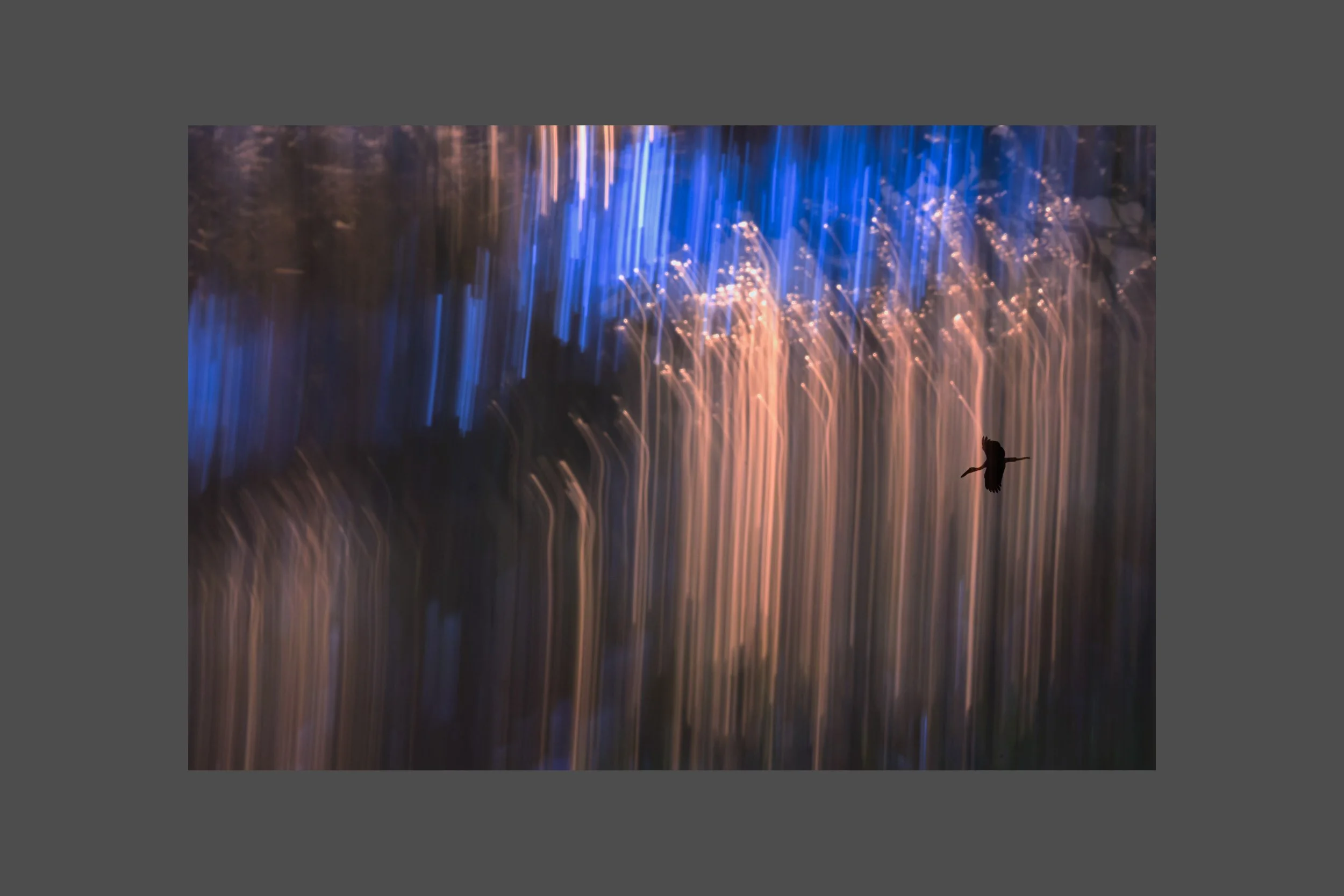
Skyfall
Photographer: Ganapathi Ram R S
click to view full-screen
1/2500 • f/8 • ISO 500 • Canon EOS R10 • 400mm • Canon RF 100-400mm f/5.x-8 IS USM
My initial idea was to create light trails using ICM to add texture, aiming for a final image that looks digitally manipulated. However, this effect can be achieved entirely in-camera.
As I wandered through the field searching for the right elements to create texture, I noticed the harsh sunlight reflecting off the waterbed, creating an opportunity for bokeh. This inspired me to experiment further.
My goal was to achieve a light trail effect similar to LED streaks. To do this, I used a small open aperture to reduce the bokeh size so that when motion was applied, the trails would closely resemble LED lights. For the first exposure, I used the default white balance and applied vertical movement. Then, for the second exposure, I shifted the white balance to a cooler tone to create a dual-tone effect.
Once I was satisfied with the textures, I selected the image as the first exposure in-camera and waited for a bird to complement the scene. Using the camera's EVF (Electronic Viewfinder), I could partially see the first exposure overlay, which helped me position the bird precisely in the second exposure. I used manual focus to ensure the bird was sharp, aligning it seamlessly with the abstract background.
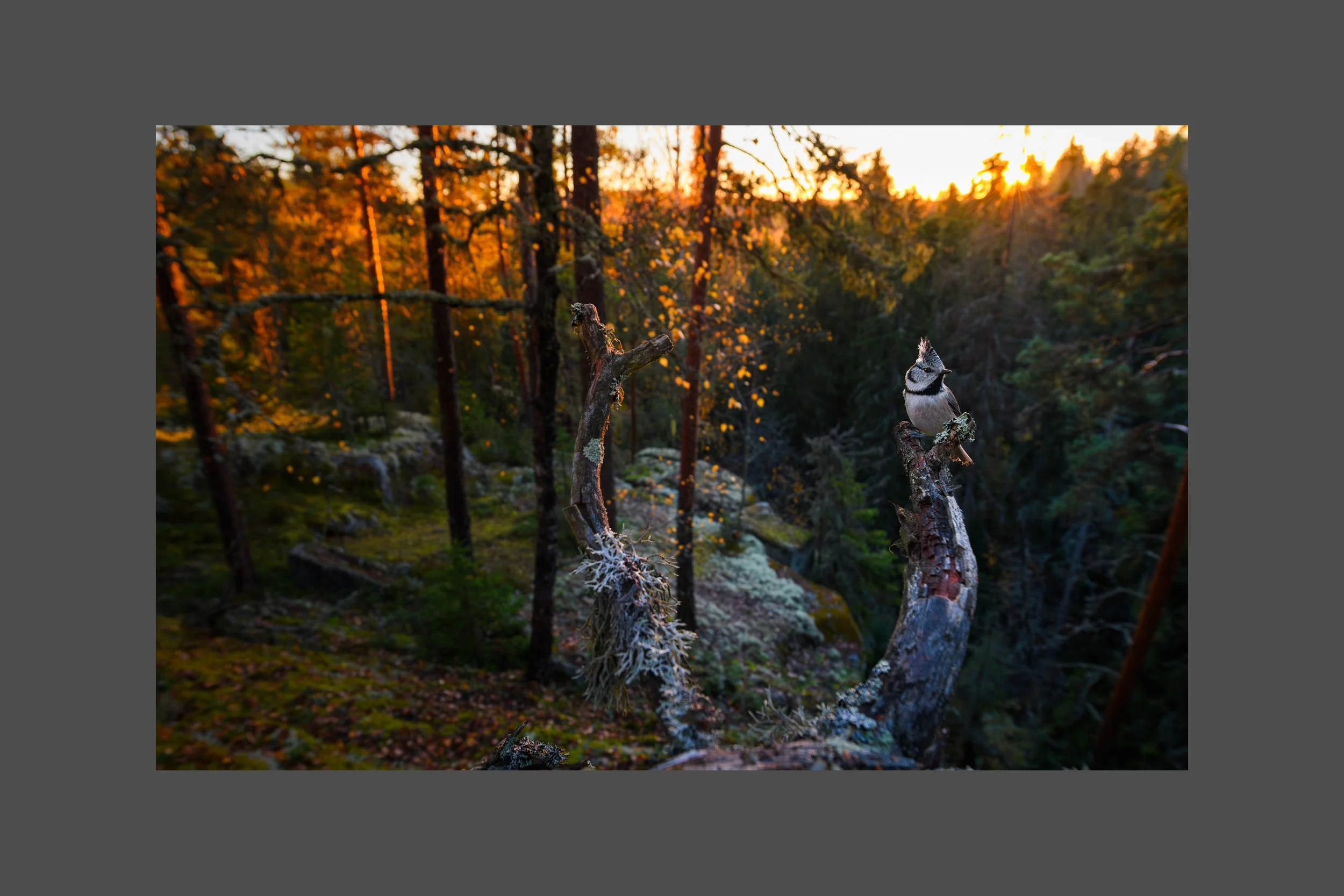
Guardian Of The Forest
Photographer: Onni Rantanen
click to view full-screen
1/160 • f/5 • ISO 640 • Nikon D500 • 14mm • Nikon 14-24mm f/2.8 G
Every autumn and winter for now nearly ten years I've kept a small bird feeding place in this beautiful old growth forest near where I live in Southern Finland. It hosts many different wintering species, like a variety of tits, woodpeckers and jays. Especially Crested Tit and Willow Tit, which are one of my favorite birds, have been my main subjects. These little birds are very trusty and get used to humans very quickly thus allowing for the use of wide angle lenses to create more interesting scenes. With nuts and seeds I can lure these birds to specific spots and perches, in this case, an old fallen pine tree atop mossy rocks and cliffs with the early morning sun in the background. This shot really captures the beauty and nature of this special place in the way I see it.
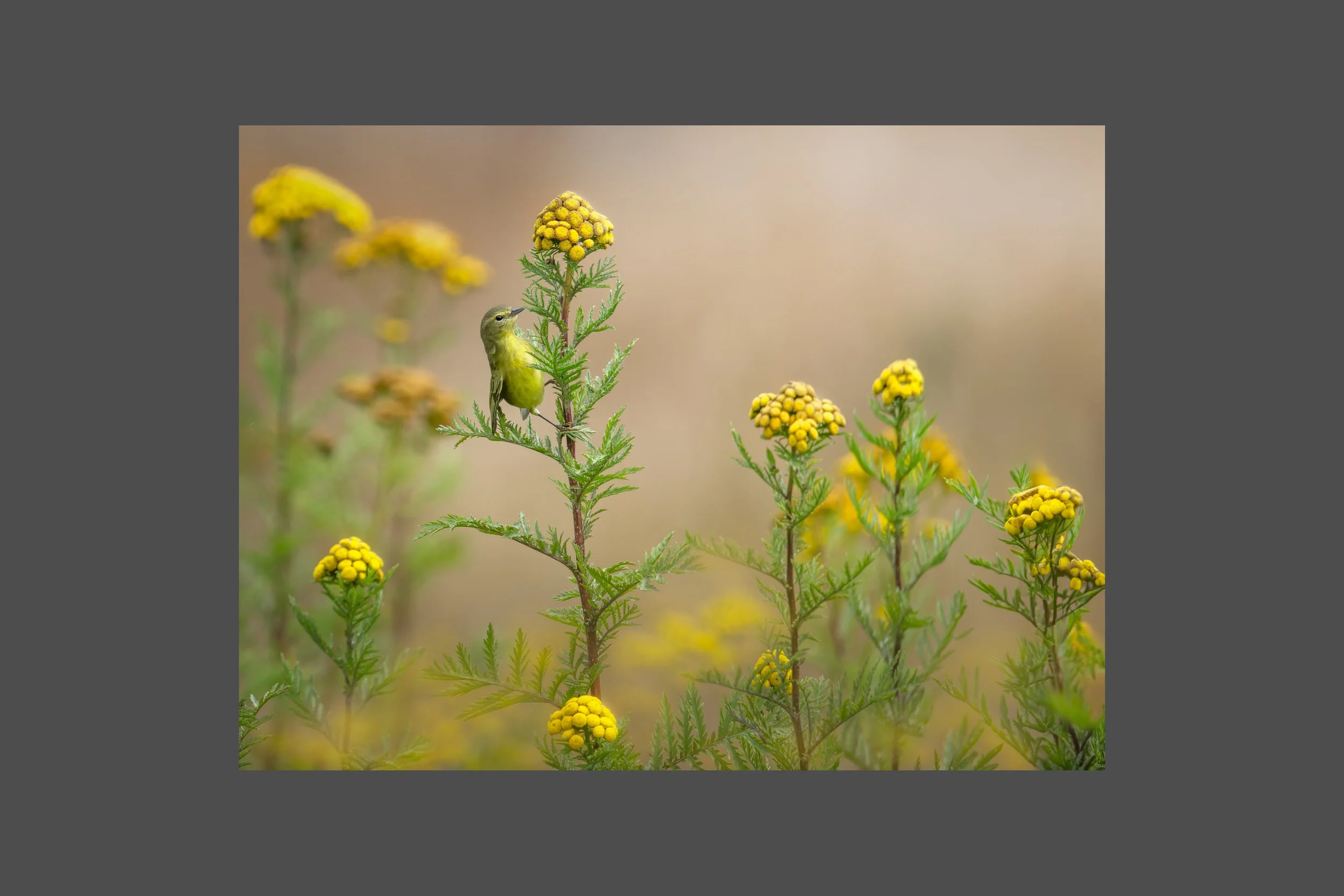
Orange Crowned Warbler
Photographer: Shelly Palomaki
click to view full-screen
1/800 • f/4.5 • ISO 140 • Nikon Z8 • 400mm • Nikon Z 400mm f/4.5 VR S
The Orange Crowned Warbler is on the Common Tansy. I love how it blends in like it is part of the flower.
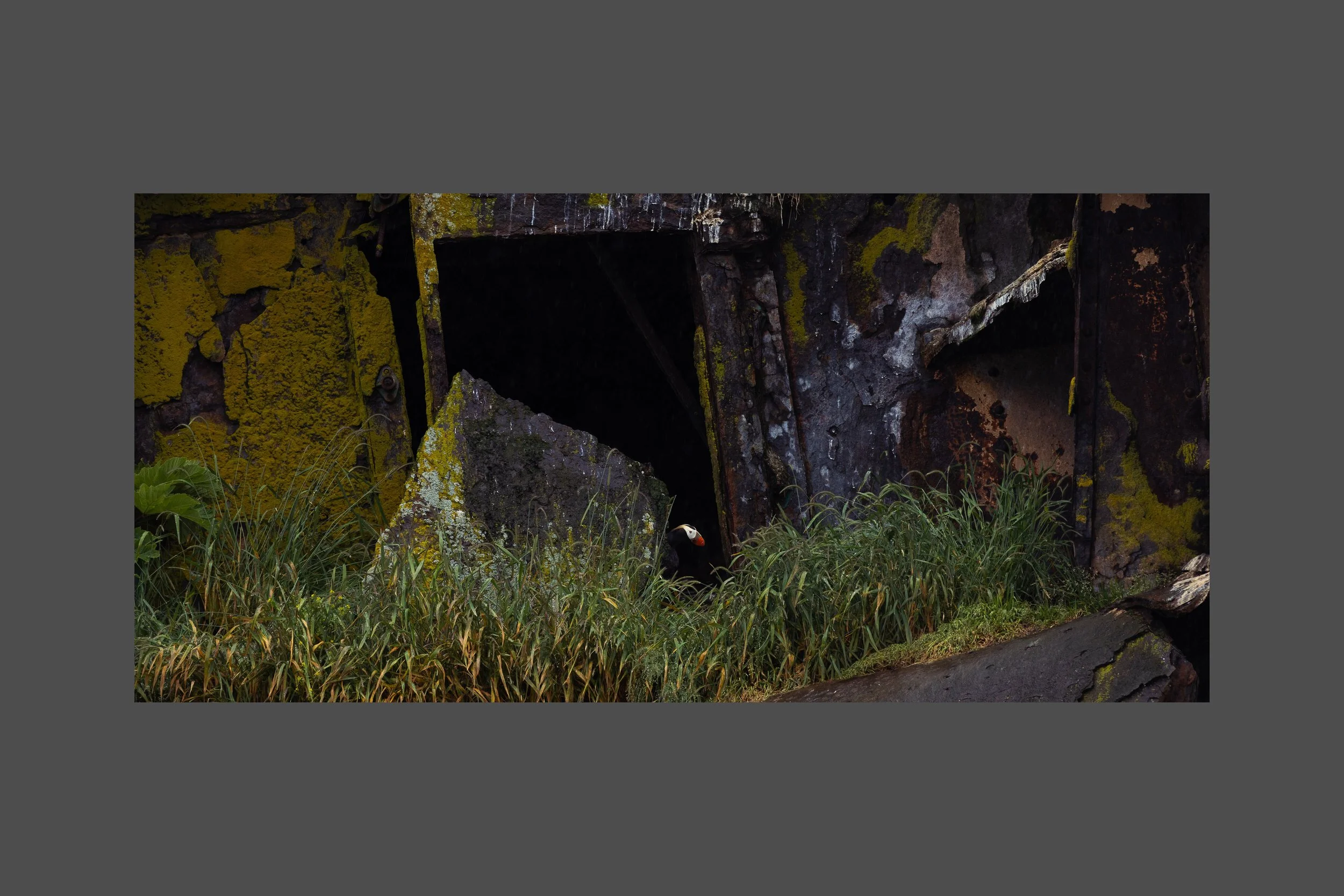
Steel Burrows
Photographer: Karim Bouzidi Idrissi
click to view full-screen
1/320 • f/8 • ISO 800 • Canon EOS R8 • 400mm • Canon RF 100-400mm f/5.6-8 IS USM
On Middleton Island, Alaska, a small portion of the Tufted Population nests on a the wreckage of the U.S.S Coldbrook, a large WWII vessel that was left behind after its wreckage in 1942. Here, they use the ship's cavities and tunnels as a replacement for the burrows they typically excavate from the soil.
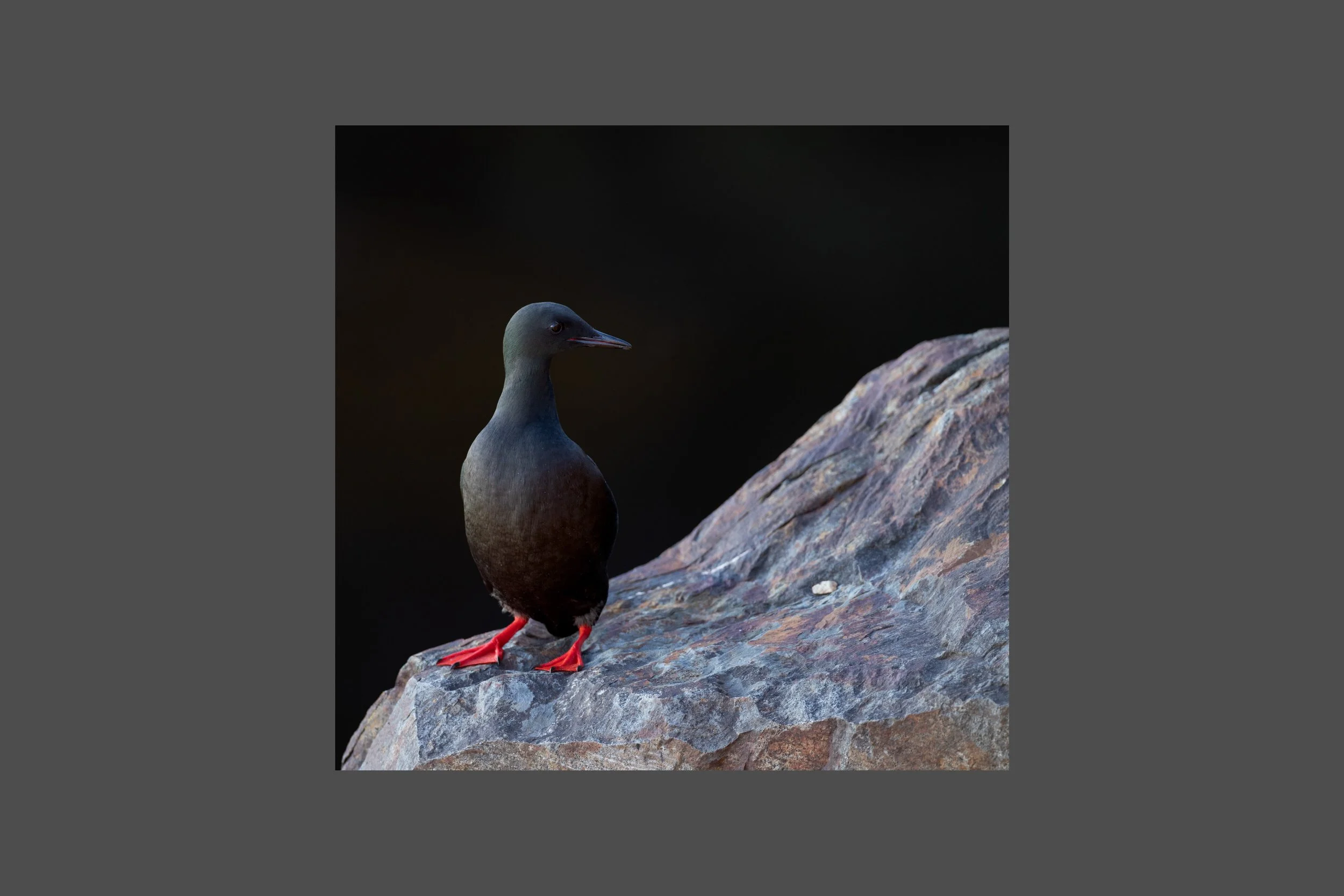
Show us your Shoes
Photographer: Patricia Constance
click to view full-screen
1/100 • f/5.6 • ISO 1,000 • Canon R3 • 840mm • Canon RF 600mm f/4 + 1.4x TC
The first thing I saw when I saw this Guillemot was those feet!

King of the Rock
Photographer: Ray Hennessy
click to view full-screen
1/2000 • f/4 • ISO 400 • Nikon Z9 • 24mm • Nikon Z 24-120mm f/4 S

My goal during my 4 mornings spent with Canyon Wrens in Arches National Park was to show off the unique and stunning habitat they live in there. This is one of the shots I feel like I achieved that goal with. This bird popped up on this huge rock right next to me and surprised me. I quickly had to line the bird up with something that worked so I went with this placement as it was the brightest spot where I didn't have to move too much. It wasn't my initial choice for placement and so after this shot I dipped a bit lower and placed the bird in the sky. It turned out doing that hid more of the landscape than I had hoped and this composition ended up being better. So in the end the bird helped me make a better composition.